When exploring lip products, many people wonder, "what is the difference between lip gloss and lip oil?" These two popular options offer different benefits. However, the confusion often arises due to their similarities. Understanding each product’s unique qualities can help you make informed choices.
Lip gloss is known for its high shine. It provides a glossy finish that enhances the lips. Many glosses also add color and a plumping effect. On the other hand, lip oil offers hydration and nourishment. It has a thinner consistency and is often infused with oils for added moisture. The results can be subtle yet rewarding for dry, chapped lips.
Both products can serve specific beauty needs. Yet, some people feel lip gloss feels sticky, while lip oil may seem less noticeable. Recognizing these nuances can refine your makeup routine. Ultimately, the choice boils down to personal preference. Understanding these differences leads to better satisfaction with your lip care.
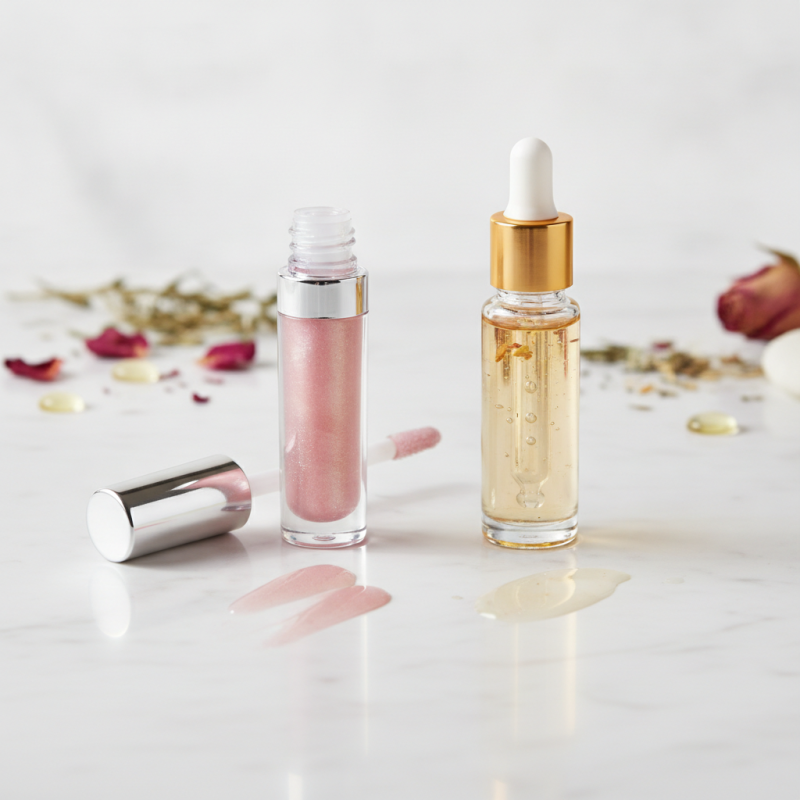
Understanding the Basics: What are Lip Gloss and Lip Oil?
Lip gloss and lip oil may seem similar at first glance, but they have distinct characteristics.
Lip gloss offers a shiny finish with varying degrees of stickiness. It often provides a burst of color, making lips appear fuller.
In contrast, lip oil is more about hydration. Its lightweight formula absorbs quickly, delivering moisture and nourishment to the lips.
When selecting between the two, consider your needs. If you want a glossy, vibrant look, lip gloss is your go-to.
However, if hydration is your priority, opt for lip oil.
Tips: Choose a lip gloss with moisturizing ingredients for added benefits. If you struggle with chapped lips, layer a lip oil underneath your gloss.
This way, you'll achieve both shine and softness. Experiment with different finishes to find your perfect match.
Don't hesitate to switch based on your mood or season!
Key Ingredients: What Sets Lip Gloss Apart from Lip Oil?
When choosing between lip gloss and lip oil, the key lies in their ingredients. Lip gloss typically contains a higher concentration of thickening agents, like waxes and silicone. These ingredients provide the shine and the staying power. According to a report by the Cosmetics Ingredient Review, around 45% of popular lip gloss formulations include synthetic polymers to enhance glossiness.
In contrast, lip oils prioritize moisturizing. They often feature botanical oils, such as jojoba or argan oil. These ingredients are rich in fatty acids and vitamins, which can nourish and hydrate the lips. A survey conducted by a leading beauty trends organization found that 72% of consumers now prefer lightweight products with natural ingredients. This reflects a shift towards prioritizing hydration over shine in lip products.
Despite the appeal of both options, choosing can be tricky. Some users report that lip gloss can feel sticky or heavy, especially in humid weather. On the other hand, lip oils may not provide the same lasting color or shine that some users desire. Each type of product has its pros and cons, making it essential to consider personal preferences and skin types.
Texture and Finish: Comparing the Sheen and Feel of Both Products
When comparing lip gloss and lip oil, texture and finish play crucial roles in your choice. Lip gloss typically provides a high-shine finish. It often feels thicker on the lips. The sheen gives a plump appearance, while various colors enhance your natural lip color. However, some find gloss can be sticky. This texture may not suit everyone’s preferences.
In contrast, lip oil offers a more lightweight feel. It usually absorbs more easily into the lips, providing hydration rather than just shine. The finish is often sheer, delivering a natural look. Lip oil can feel slippery for some, leading to questions about longevity. Yet, it’s ideal for those seeking moisture without the weight. Both products have unique textures that cater to different needs, and the choice largely depends on your desired finish and comfort level.
Hydration and Wear: Longevity and Moisturization Levels in Lip Products
When comparing lip gloss and lip oil, hydration and wear become central themes. According to a report by the Cosmetic Ingredients Review, consumers show a preference for products that offer long-lasting moisture. Lip oils often excel in this area. These products usually contain nourishing ingredients like jojoba oil or vitamin E. This results in a lightweight feel and deeper hydration.
On the other hand, lip gloss tends to provide a shinier finish but can be less moisturizing. Many glosses rely on synthetic polymers, which create a thicker texture. This can lead to a temporary glossy appearance, yet the moisture may not last as long. A survey by Statista reveals that 40% of users find lip gloss requires frequent reapplication. This indicates that while glosses are appealing, they may not provide the enduring hydration many seek.
In evaluating these products, consider personal preferences. Some may prioritize a high-gloss shine, even at the expense of hydration. Others may reflect on past experiences with glossy lips that felt sticky or dried out quickly. Understanding what truly matters for daily wear can influence choices. Not all products meet every need, and that's a reality worth acknowledging.
Market Trends: Popular Brands and Consumer Preferences in 2026
In 2026, the beauty market shows a clear shift towards lip gloss and lip oils. Consumers are increasingly seeking products that enhance hydration and shine. Research reveals that people prefer natural ingredients and long-lasting formulas. This trend is partly due to growing awareness of skincare. Users often choose products that double as makeup and nourishment.
When selecting lip products, consider the texture you desire. Glosses usually offer a high-shine finish but can feel sticky. Oils provide a soothing feel and more hydration. The difference lies in the overall finish and how each feels throughout the day. Many consumers experiment with layering products for a personalized look.
Tips: Always test products before purchase. A small patch test can prevent allergens or sensitivities. Look for shades that complement your skin tone. Don't forget to check the ingredient list for nourishing elements like vitamin E or jojoba oil. Embrace the trial-and-error process. Finding the right product might take time.
2026 Best Lip Gloss vs Lip Oil: What is the Difference? - Market Trends
| Product Type |
Hydration Level |
Finish |
Longevity |
Popularity Score (out of 10) |
| Lip Gloss |
Moderate |
Shiny |
3-4 hours |
8 |
| Lip Oil |
High |
Natural |
4-5 hours |
9 |
FAQS
: The main difference lies in their ingredients. Lip gloss has thickening agents for shine. Lip oil focuses on moisturizing with botanical oils.
Lip gloss is thick and provides a high-shine finish. Lip oil is lightweight and absorbs quickly, offering hydration without the weight.
Many prefer lip oil due to its moisturizing qualities. It feels lighter and less sticky, making it comfortable for daily wear.
Yes, some users find lip gloss sticky or heavy, especially in humid conditions. It may not suit everyone’s preferences.
Consider your desired finish and comfort level. Think about whether you want shine or hydration for your lips.
Ingredients are very important. Many consumers now prioritize natural ingredients and nourishing elements like vitamins in their lip products.
Yes, it’s advisable to test products. A patch test can help avoid potential allergens or sensitivities before making a purchase.
Look for shades that complement your skin tone. Check for nourishing ingredients like vitamin E or jojoba oil for hydration.
Yes, many consumers experiment with layering lip products. This can create a unique appearance and enhance overall satisfaction.
Finding the right product may take time. Embrace the trial-and-error process to discover what suits your preferences best.
Conclusion
In the article "2026 Best Lip Gloss vs Lip Oil: What is the Difference?", we delve into the essential distinctions between lip gloss and lip oil. Understanding the basics, lip gloss generally provides a shiny finish with vibrant colors, while lip oil focuses on nourishment and hydration, often offering a more subtle sheen. Key ingredients vary significantly, with lip glosses frequently containing pigments and thickening agents, whereas lip oils are enriched with nourishing oils.
When comparing texture and finish, lip gloss tends to be stickier, creating a pronounced shine, while lip oils glide on smoothly for a lightweight feel. In terms of hydration and longevity, lip oils typically excel in moisturizing properties, promoting softer lips over time. Finally, the article discusses current market trends and consumer preferences in 2026, highlighting the evolving landscape of lip products and the ongoing debate of "what is the difference between lip gloss and lip oil?" as preferences shift towards more multifunctional lip care options.
 Fmo Beauty
