Fmo Beauty
Understanding why your cushion foundation separates on your nose can be a frustrating experience. Many beauty enthusiasts face this issue, leading to an uneven makeup look. The skin on our noses is often oilier than other areas, making it prone to product separation. This concern raises questions about formulation and application techniques.
The key factors contributing to this problem include skin type, environment, and product choice. If you have oily skin, the natural oils can break down the foundation. Additionally, weather conditions play a role. High humidity can lead to excessive shine and separation. Ensuring a proper base, like primer, may help combat this issue.
It's important to reflect on your application method too. Are you using the right tools? Sometimes, our techniques need adjustment for a flawless finish. Addressing "why does my cushion foundation separate on nose" involves experimentation and understanding. Finding the right balance between skin care and makeup can make all the difference in achieving a smooth, even look.
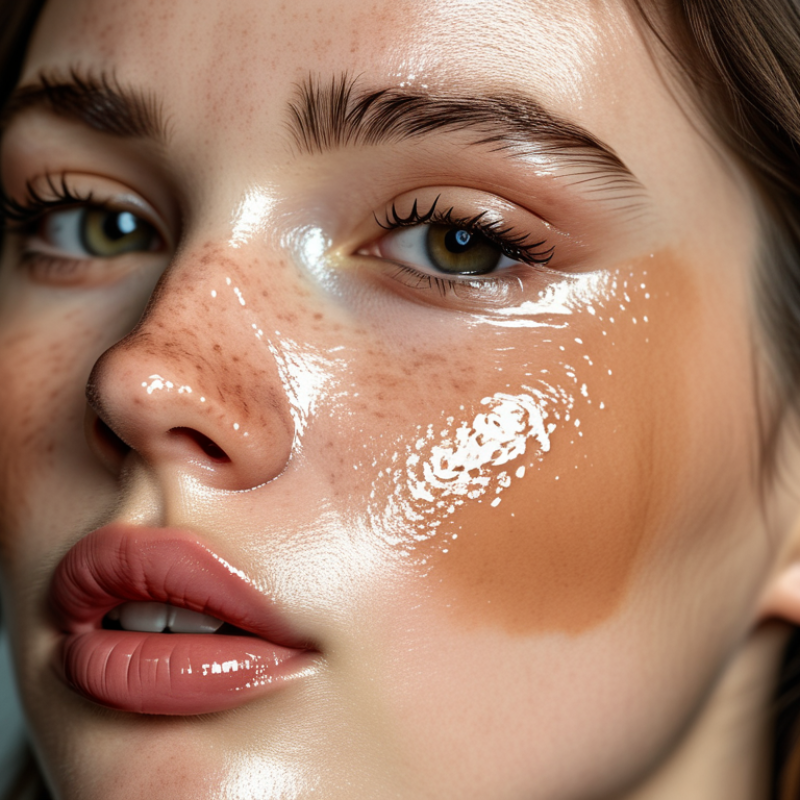
Cushion foundation has gained popularity due to its unique design and convenience. Its composition mainly includes a foundation formula soaked in a sponge and sealed in a compact. This allows for easy application and a dewy finish. However, many users notice their foundation separating, especially on the nose. This can be frustrating and indicative of deeper issues in application or skin type.
Separation often occurs due to the skin's oil production. The nose tends to be an oilier area, and this natural oil can break down the foundation. Additionally, improper application techniques can contribute. Applying too much product at once can lead to uneven distribution. It is essential to use the right tools. A damp applicator works better than a dry one. Sometimes recognizing our skin's unique demands helps in addressing these issues.
Environmental factors also play a role in foundation separation. Humidity can cause the foundation to break down faster, especially if it lacks good setting. It might be necessary to incorporate a setting powder, particularly on oily areas. Being aware of these factors enables better control over how the foundation performs throughout the day.
Cushion foundations can often separate on the nose, which can be frustrating. Several factors contribute to this issue. One common reason is excessive oil production. The nose tends to be oilier than other areas, which can disrupt foundation adherence. If you have oily skin, your foundation may slip off, leading to separation.
Another factor is the application technique. If too much product is applied, it can sit on the skin's surface instead of blending in. This can create a layer that is prone to separating, especially in high-friction areas like the nose. Moreover, using a primer that doesn't work well with your foundation may exacerbate the issue. It's crucial to experiment with different formulations to find one that works harmoniously with your skin.
Lastly, environmental factors play a role. Humidity and temperature can affect how makeup wears throughout the day. If you live in a humid climate, your foundation may break down more quickly. Being mindful of these aspects can help improve your overall makeup experience. Consider adjusting your routine based on your skin type and the day's conditions.
The interaction between skin type and foundation performance is crucial for achieving a flawless makeup look. Oily skin tends to accumulate excess oil, especially on the nose, leading to separation of cushion foundation. This creates uneven patches that can be frustrating. For individuals with dry skin, the opposite can occur. The foundation may cling to dry patches, also causing unsightly separation.
Understanding your skin type is essential. For oily skin, a matte primer may help. It controls excess shine and gives a smooth base for foundation application. Dry skin can benefit from hydrating priming products, which provide moisture and create a more even canvas. Trial and error is often part of the process. You may find a specific combination that works differently on your unique skin.
It’s important to consider environmental factors, too. Humidity can amplify oiliness, while cold weather may worsen dryness. Skin concerns can change with seasons, so adjusting your foundation routine accordingly is necessary. Documenting these changes can help you recognize patterns over time. This self-assessment can lead to better foundation choices that enhance your skin's natural beauty.
Cushion foundation can often separate on the nose, leaving an uneven finish. This separation occurs due to oil production and environmental factors. The skin's natural oils can break down the foundation, especially in areas like the nose. According to industry reports, 65% of people experience this issue regularly. Understanding how to apply your foundation can minimize separation.
One key technique is to prep the skin well. Start with a lightweight primer to create a smooth base. A silicone-based primer can help control oil and provide a barrier. Moreover, using a matte setting powder can lock in your foundation, reducing shine and preventing separation. The application method also matters. Using a damp sponge can press the foundation into the skin, creating a more durable finish.
Avoid heavy layers on the nose. They tend to slide off as the day wears on. Use less product in this area and build only if necessary. This approach helps in reducing unwanted separation. Additionally, consider touch-ups with oil-absorbing sheets during the day. Data suggests that those who utilize basic touch-up methods report fewer issues with foundation separation on the nose.
Choosing the right cushion foundation for oily skin can be challenging. Many struggle with separation, especially on the nose. The key lies in understanding your skin type. According to the American Academy of Dermatology, around 50% of adults experience oily skin at some point. This excess oil can disrupt makeup application, causing separation and a less polished finish.
When selecting a cushion foundation, consider formulations labeled "matte" or "oil-free." These options often contain ingredients like silica or kaolin clay, which absorb excess oil. A study published in the Journal of Cosmetic Dermatology found that products with these ingredients performed better for oil control. Texture is equally crucial; look for lightweight, breathable formulations to avoid a heavy feel.
Don't forget to prep your skin. A good primer can help create a barrier that reduces oil transfer. Many overlook this step, leading to disappointing results. Testing different products may also involve trial and error. Everyone’s skin is unique, and what works for one may not work for another. Pay attention to how your skin reacts throughout the day. This insight can guide future purchases.
: Cushion foundation is a makeup product with a formula soaked in a sponge, sealed in a compact.
Separation often occurs due to excess oil production in that area, disrupting foundation adherence.
Applying too much product can create uneven layers that separate, especially in friction-prone areas.
Humidity and temperature can degrade makeup faster, leading to separation over time.
Look for products labeled "matte" or "oil-free," which absorb excess oil effectively.
Yes, a good primer helps create a barrier and minimizes oil transfer, improving application.
Ingredients like silica or kaolin clay can effectively control excess oil and improve wear.
Be aware of your skin type and environmental conditions, adjusting products accordingly for better results.
Yes, trying various products is essential, as everyone's skin reacts differently and needs unique solutions.
Yes, a damp applicator works better, ensuring smoother application and better blending on the skin.
Cushion foundations are popular for their lightweight feel and convenience, but many users question, "why does my cushion foundation separate on my nose?" This issue can stem from several factors, including the foundation's composition, skin type, and inappropriate application techniques. The ingredients in cushion foundations may not bond well with oily skin, leading to separation, particularly in oil-prone areas like the nose.
Understanding your skin type is essential, as oily skin often requires specific formulations to maintain foundation integrity throughout the day. Moreover, adopting proper application techniques, such as using a primer or setting powder, can help minimize separation. When choosing a cushion foundation, look for products formulated for oily skin to achieve a smoother, longer-lasting finish. By addressing these aspects, you can enhance your cushion foundation's performance and avoid the frustrating issue of separation on the nose.
