Fmo Beauty
Achieving the perfect lip gloss application can sometimes feel challenging. One common issue many users face is stickiness. This quality can detract from the overall experience and affect confidence. Many wonder how to make lip gloss less sticky for smoother application.
Various factors contribute to the stickiness of lip gloss. Ingredients play a significant role. Sometimes, a gloss may contain certain oils or waxes that create a heavier texture. Experimenting with different formulations can provide insight into what works best.
Moreover, environmental factors, like humidity, can exacerbate stickiness. Understanding these elements helps in refining your application routine. It’s essential to remember that achieving the perfect gloss might involve trial and error. Don't be discouraged if your first attempt isn't flawless. With a bit of practice and adjustment, you can find a way to enjoy your lip gloss without the unwelcome stickiness.
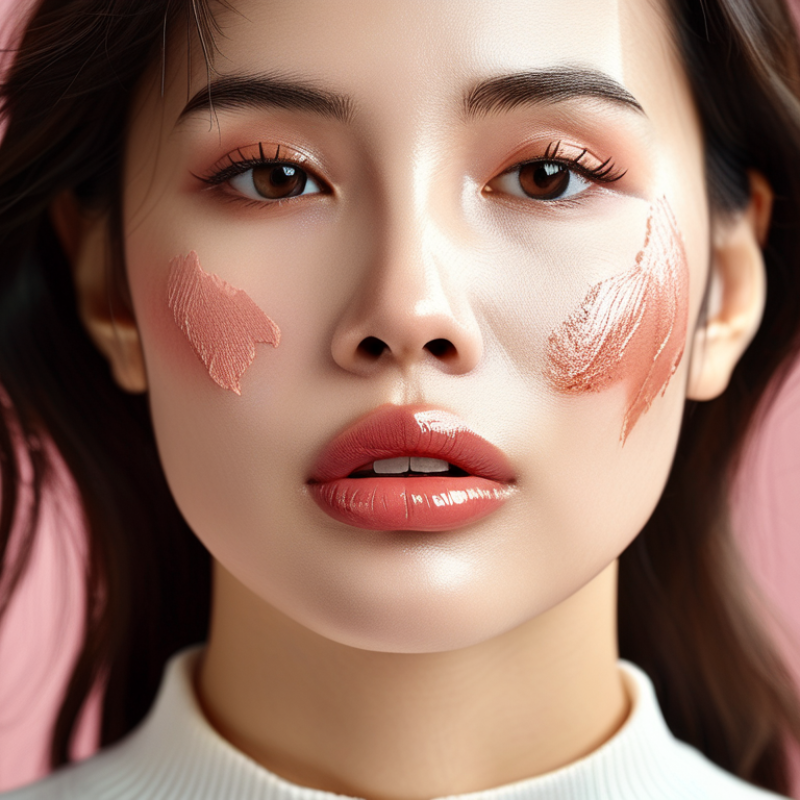
Creating a less sticky lip gloss starts with selecting the right ingredients. Many formulations include thick oils and waxes, which can cause that unwelcome tackiness. Instead, look for lighter oils like jojoba or almond oil. These oils spread well, provide moisture, and reduce stickiness.
Incorporating natural butters, like shea or mango butter, can help as well. They add creaminess without overwhelming thickness. Additionally, using a higher percentage of emulsifiers can enhance the texture.
Experimenting with ratios is key. Too many heavy ingredients may lead to a gloss that feels uncomfortable on the lips.
It's important to note that some ingredients can interact negatively. For instance, certain synthetic additives might enhance stickiness. Pay attention to how your chosen ingredients perform in different conditions. Overall, achieving that perfect, non-sticky lip gloss requires a blend of art and science. Keep experimenting until you find what works best for you.
Creating the perfect lip gloss involves intricate balancing of oils and waxes. Achieving the right texture is crucial for seamless application. According to industry reports, the ideal formula typically consists of 60% oils and 40% waxes. This ratio helps to maintain a smooth consistency while minimizing stickiness.
When selecting oils, opt for lightweight options like jojoba or fractionated coconut oil. They enhance shine and hydration without weighing down the gloss. Waxes like beeswax or carnauba are great choices as they provide structure. However, using too much wax can lead to an unpleasant, gummy feel. Aim for a careful balance to ensure that the gloss applies evenly and feels comfortable on the lips.
Experimentation is key. A formula that feels perfect in theory may not resonate with every user. Personal preferences vary widely. Some like a glossier finish, while others prefer a matte look. Testing different combinations can help refine the ideal texture. Keep an open mind and adjust the ratios as needed. You may find that small tweaks can make a big difference in the stickiness of your gloss.
| Ingredient Type | Ingredient Name | Typical Usage (%) | Effect on Texture |
|---|---|---|---|
| Oils | Jojoba Oil | 10-20% | Adds smoothness, reduces stickiness |
| Oils | Coconut Oil | 5-15% | Imparts gloss, enhances spreadability |
| Waxes | Beeswax | 5-10% | Provides cohesion, improves durability |
| Waxes | Carnauba Wax | 3-8% | Enhances hardness and glossy finish |
| Emollients | Shea Butter | 5-10% | Provides moisture, softens texture |
| Additional Additives | Vitamin E | 0.5-2% | Acts as an antioxidant, improves stability |
Incorporating additives into lip gloss formulations can significantly enhance its texture and application. Common additives like vitamin E, jojoba oil, and castor oil not only boost the gloss's moisturizing properties but also reduce stickiness. According to a report by the Personal Care Products Council, approximately 75% of consumers prefer lip glosses that offer a non-tacky feel. This statistic highlights the importance of formulation in consumer satisfaction.
The use of silicones is also noteworthy. Silicones create a silky texture that glides smoothly on the lips. A study by the Cosmetic Ingredient Review suggests that products containing dimethicone improve spreadability by 30%. However, formulators must be cautious; excessive use can lead to an unnatural feel. The right balance is crucial for achieving that perfect glide without compromising the overall quality of the gloss.
Another useful additive is flavoring agents. Flavored lip glosses can be more appealing and engaging. Yet, some consumers report that overly sweet flavors can distract from the gloss’s intended effect. It's vital for developers to conduct consumer testing to strike the right balance. This iterative process can help refine the product, ensuring a desirable and effective lip gloss that meets the market's evolving needs.
Creating the perfect lip gloss requires attention to texture. A sticky gloss can feel uncomfortable and lead to uneven application. To improve consistency, consider using natural thinners. These ingredients can help achieve a smoother, less tacky finish.
Natural oils, like jojoba or sweet almond oil, serve as excellent thinners. They blend well with typical lip gloss ingredients, offering hydration without the stickiness. Adding a few drops can drastically change the gloss's feel. Experimenting with proportions is crucial. Too much oil may make the gloss too runny, while too little may not achieve the desired effect.
Another option is using natural butters, such as shea or cocoa butter. These can add a creamy texture, balancing both thickness and smoothness. However, the challenge lies in finding the right balance. Overemphasis on thinners can lead to a diluted product that lacks shine. It’s essential to evaluate each batch, focusing on the consistency after every adjustment. This trial-and-error process can reveal the perfect balance for your homemade lip gloss.
When creating a lip gloss, achieving the right consistency is crucial. A sticky texture can hinder the overall application experience. Testing your formula is the first step towards perfection. Start with the basic ingredients: oils, waxes, and pigments. Vary the proportions slightly to see how the texture changes. A little more oil may reduce stickiness, while too much can make it too slippery.
Consistency is key in this process. Regularly test small batches. Apply the gloss, allowing it to sit for a few minutes. Notice how it feels on your lips. Obvious stickiness will suggest adjustments. Consider adding a small amount of a lighter oil, like jojoba or fractionated coconut oil. These can enhance glide without making the gloss overly thin.
Keep detailed notes on your adjustments. This will help you understand what works and what doesn't. Each tweak can influence the final product's feel and wear. Don’t be afraid to make mistakes; they often lead to surprising improvements. Embrace the iterative nature of this craft. You'll eventually uncover the ideal balance for a luxurious lip gloss experience.
: Common additives include vitamin E, jojoba oil, and castor oil. These improve moisture and reduce stickiness.
Silicones create a silky texture. They improve spreadability but should be used carefully to avoid an unnatural feel.
Flavoring agents make glosses appealing. However, overly sweet flavors can distract from their intended effect.
Natural thinners improve gloss consistency. They help achieve a smoother finish and reduce tackiness.
Natural oils, like jojoba, help blend ingredients. Too much oil can make the gloss runny, so balance is vital.
Testing helps achieve the right consistency. It allows adjustments to improve texture and application.
Keep notes on your adjustments. Mistakes can lead to unexpected improvements and help refine the formula.
Butters like shea add creaminess. However, too much can dilute the product and decrease shine.
A sticky gloss feels uncomfortable and leads to uneven application. Adjusting ingredients can resolve this issue.
Regularly testing small batches helps ensure the right feel. Observe the gloss on your lips for adjustments.
In the quest to learn how to make lip gloss less sticky, it is essential to start by choosing the right ingredients. Selecting a balanced mix of oils and waxes can significantly enhance the texture of the lip gloss, ensuring it glides on smoothly without the unwanted tackiness. Additionally, incorporating specific additives can further facilitate a smoother application, providing that perfect finish.
Adjusting the consistency of your formula with natural thinners is another effective strategy. This not only aids in reducing stickiness but also enhances the overall feel of the gloss on the lips. Lastly, it's crucial to test and tweak your formula to achieve the best results, ensuring that your lip gloss feels luxurious and comfortable while avoiding that sticky sensation. With the right approach, you can create a lip gloss that delivers beautiful results and an enjoyable application experience.
