Fmo Beauty
Many shoppers ask, “what is the difference between setting spray and finishing spray?” The answer is practical, not merely cosmetic. Setting spray is designed to help makeup stay in place. It supports wear during heat, movement, and long workdays. Finishing spray focuses more on the surface. It can soften powder, add glow, reduce flatness, or create a more skin-like appearance.
Makeup artist Robert Sesnek explains it this way: “Setting spray locks makeup in place; finishing spray changes how the surface looks.” This distinction gives readers a useful starting point. Still, the boundary is not always clean. Some modern formulas combine both purposes, which can make product labels confusing. A mist may claim long wear while mainly refreshing dry-looking foundation.
The coming guide examines the top 10 differences between setting spray and finishing spray. It will compare ingredients, application methods, finish, durability, skin types, and makeup routines. Small details matter. A setting spray may feel tight on dry cheeks, while a finishing spray may disappear quickly across an oily forehead. Test the texture.
In my experience, many mistakes happen because users spray too closely or apply too much. A damp face is not always a better-set face. One light layer can perform differently from several heavy layers. The right choice depends on your formula, skin condition, climate, and desired result. This guide also considers professional techniques, product limitations, and situations where using both sprays may be unnecessary.
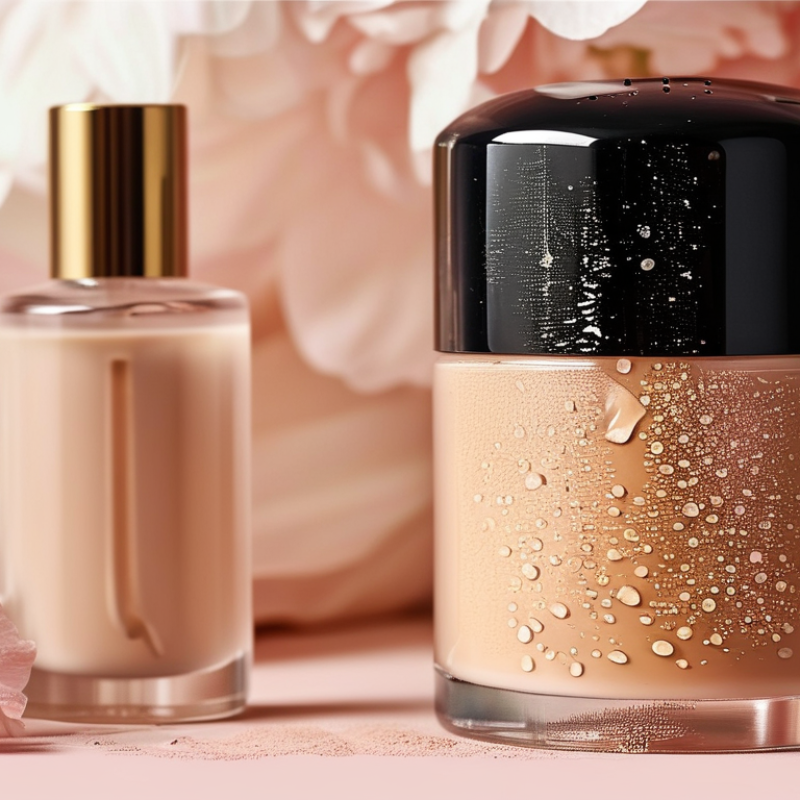
Setting spray is designed to help makeup stay in place. It is usually applied after foundation, concealer, blush, and powder. Many formulas contain film-forming ingredients that create a light, flexible layer over the skin. Some also include humectants, which help reduce a dry, tight feeling.
A setting spray may soften the appearance of powder and limit makeup transfer during a long day. I usually hold the bottle about 20 centimeters away and mist in a loose cross pattern. Close eyes gently. Too much product can leave wet patches or disturb fresh makeup.
Finishing spray serves a different, though sometimes overlapping, purpose. It focuses more on the final appearance and skin texture. A formula may add radiance, reduce visible powder, or create a softer, more natural surface. Some finishing sprays are made for oil control, while others refresh tired-looking makeup.
The terminology is not perfectly standardized. One product may perform both roles, depending on its ingredients and application. My own mistake was assuming a glowing finish would improve every complexion; it emphasized texture around my nose.
A careful test on one cheek is more reliable than trusting a label alone. Skin type, climate, makeup layers, and personal comfort all affect the result. Creating a natural finish takes restraint.
Setting spray and finishing spray perform different jobs. Setting spray is the “hold” step. Its film-forming ingredients help makeup resist transfer, fading, and humidity. It is useful after foundation, concealer, powder, and blush. Finishing spray works more like a texture editor. It softens powder, reduces a dry appearance, and can add glow or a natural skin effect.
The difference is practical, not always perfect. Some formulas combine both functions. The ingredient list matters more than the front label. According to McKinsey’s 2023 beauty report, the global beauty market may reach about 580 billion dollars by 2027. Consumers are also seeking multifunctional products. That trend makes product claims harder to judge. In my experience, a strong setting spray can make skin feel tight, while a finishing spray may not protect makeup for a full workday. Expectations need checking.
Tips: Apply setting spray from 20–30 centimeters away. Use two light layers instead of soaking the face. Press finishing spray onto a sponge, then tap over powdery areas. Avoid spraying too closely. It can create uneven droplets. For oily skin, test wear around the nose and chin. For dry skin, inspect the cheeks after two hours. A small patch test is sensible, although it cannot predict every reaction.
Setting spray and finishing spray may share a mist bottle, but their textures serve different jobs. Setting sprays usually contain film-forming polymers, humectants, and water. These ingredients create a flexible layer over foundation and powder. The finish can feel slightly tacky before it dries. Finishing sprays focus more on volatile solvents, silicones, oils, or fine emollients. They soften visible powder and add a smoother surface. Some contain alcohol, which evaporates quickly but may feel tight on sensitive skin. The distinction is not perfectly clean. Formulas overlap.
In practical wear tests, a setting spray often improves transfer resistance, while a finishing spray changes how makeup looks under light. A heavier setting mist can leave tiny droplets on textured skin. A finer finishing mist may disappear faster. According to Circana’s 2023 U.S. report, prestige makeup sales grew 8%, showing stronger interest in performance products. Grand View Research valued the global color cosmetics market at approximately 84 billion dollars in 2023. That scale encourages more specialized textures, but marketing language can still blur product functions. Check the ingredient list, not only the front label. Look for polymers near the top when durability matters. Choose glycerin or other humectants when skin feels dry. Use silicone-based finishing textures for a soft-focus effect. I still find one weakness: “dewy” can become greasy under warm studio lights. Skin type, climate, and powder quantity often matter more than the spray category.
Setting spray helps makeup resist movement, fading, and moisture during wear. Apply it after foundation, concealer, powder, and other color products. Hold the bottle about 20–30 centimeters from your face. Close your eyes, mist in an X, then a T pattern. Let it dry naturally instead of rubbing. A light second layer may help during long events, but too much product can leave skin tight or uneven.
Finishing spray changes the final appearance of makeup. It can soften powder, add radiance, reduce visible texture, or create a more natural surface. Apply it near the end, usually after setting spray has dried. Use fewer sprays around the nose and forehead if those areas become oily. For dry skin, a fine mist may help powder look less flat. I sometimes apply too much when chasing glow. The result looks wet, not fresh.
Tips: Match the spray to your goal, not its name alone. Check the ingredient list if your skin reacts easily. Spray onto a clean sponge for targeted blending around the cheeks. Avoid broken skin and direct contact with the eyes. Test a new formula on a small area first. Makeup behavior varies with climate, skin condition, and application pressure. Reassess after ten minutes, because the finish can change as it settles.
Top 10 Differences Between Setting Spray and Finishing Spray
Which Spray Best Fits Different Makeup Needs
Choosing between setting spray and finishing spray depends on the makeup problem you need to solve. Setting spray is the stronger choice for long wear. Its film-forming ingredients help foundation, concealer, and powder resist movement. This suits weddings, humid commutes, performances, and long workdays. Finishing spray works differently. It softens visible powder, blends layers, and creates a smoother skin-like surface. Your makeup may look less dry within seconds. A professional makeup artist often uses both, but the order matters. Apply setting spray after the main layers. Use finishing spray at the end.
Industry data supports this demand for durable, convenient cosmetics. McKinsey’s 2023 beauty analysis valued the global beauty market at about $446 billion and projected roughly 6% annual growth through 2028. Circana’s beauty reporting also shows continued interest in complexion products that improve wear and appearance. However, product labels are inconsistent. Some formulas combine both functions. Do not trust the name alone. Check the ingredient list and test the mist on one cheek.
Tips: Choose a setting spray for oil, heat, or transfer concerns. Choose a finishing spray when powder looks heavy or patchy. For dry skin, avoid repeatedly misting alcohol-heavy formulas. Hold the bottle about 20–30 centimeters away. Two light layers usually look better than one soaking pass. I still make this mistake sometimes: too much spray can create shine, streaks, or a tight feeling. Let each layer dry naturally.
| No. | Comparison Factor | Setting Spray | Finishing Spray | Best Fit for Different Makeup Needs |
|---|---|---|---|---|
| 1 | Primary Purpose | Locks makeup in place by forming a light film over the applied products. | Refines the final appearance by helping makeup look more blended and natural. | Choose setting spray when durability is the main concern; choose finishing spray when the makeup needs a more polished surface. |
| 2 | Main Makeup Stage | Usually applied after foundation, concealer, powder, blush, and other color products are complete. | Typically applied as one of the last steps, after makeup has already been set or powdered. | Use setting spray to secure the full makeup application and finishing spray for the final visual adjustment. |
| 3 | Wear Resistance | Generally formulated to improve resistance to transfer, fading, creasing, or separation, depending on the formula. | May improve overall wear, but its primary goal is usually appearance rather than maximum hold. | Setting spray is more suitable for weddings, long workdays, performances, and other extended-wear situations. |
| 4 | Finish and Texture | Can leave a matte, natural, radiant, or dewy finish depending on the product formulation. | Often helps reduce a visibly powdery look and creates a more skin-like, seamless finish. | Finishing spray is helpful when complexion makeup looks dry, heavy, overly matte, or noticeably powdered. |
| 5 | Effect on Powder | May help powder adhere to the skin and remain in place, especially when applied in a fine, even mist. | Often softens the appearance of excess powder and helps powder and cream products appear more integrated. | Select setting spray for powder longevity; select finishing spray to make layered powder look less flat or chalky. |
| 6 | Oil and Shine Control | Matte formulas may help control visible shine, while hydrating formulas may add more luminosity. | Usually focuses on smoothing the visual finish rather than controlling oil for the entire day. | For oily skin or humid conditions, a suitable matte setting spray is generally the more practical option. |
| 7 | Hydration and Comfort | Some formulas contain humectants or skin-conditioning ingredients, but hydration level varies widely. | Often feels more refreshing and can add a comfortable, flexible appearance to makeup that looks dry. | For dry or mature-looking skin, a hydrating finishing spray may be useful, while compatibility with the base should still be checked. |
| 8 | Application Technique | Mist evenly from an appropriate distance and allow it to dry without rubbing the makeup. | Use a light, fine mist to avoid disturbing detailed eye makeup, blush, contour, or highlighter. | Both products work best with thin, even layers; excessive spraying can increase drying time or cause patchiness. |
| 9 | Compatibility with Makeup Types | Works especially well when long wear is needed across foundation, concealer, powder, and color cosmetics. | Works especially well for layered makeup that needs visual blending, including combinations of cream and powder products. | Use setting spray for performance and longevity; use finishing spray for texture, blending, and a more cohesive appearance. |
| 10 | Can They Be Used Together? | May be applied first to help hold the makeup in place, provided the formula is compatible with the base. | May be applied afterward to soften the final look and reduce an overly dry or powdered appearance. | Using both can suit special occasions, but apply light layers and allow each mist to settle to minimize pilling or uneven texture. |
: Setting spray helps makeup stay in place. It can reduce fading, transfer, and movement during heat or humidity.
Finishing spray improves the final appearance. It can soften powder, reduce dryness, and create a smoother skin-like finish.
Yes, some formulas combine both functions. Labels can mislead, so check ingredients and test the actual result.
Apply it after foundation, concealer, blush, and powder. Hold the bottle 20–30 centimeters away from your face.
Use it at the end of your routine. It can refresh powdery areas and blend visible makeup layers.
Setting spray usually fits these needs better. Its flexible film can help makeup resist humidity and transfer.
Finishing spray is usually more suitable. Press it onto a sponge and tap lightly over powdery areas.
Close your eyes gently and mist lightly in a loose cross pattern. Two thin layers are safer than one heavy pass.
Yes. Check dry skin around the cheeks after two hours. Test oily skin near the nose and chin.
No. A glowing finish may emphasize texture around the nose. I learned this through experience. Less is safer.
Understanding what is the difference between setting spray and finishing spray can help you choose the right final step for your makeup routine. Setting spray is mainly designed to help makeup adhere to the skin and remain in place for longer. It often provides lightweight hydration and can reduce the need for frequent touch-ups. Finishing spray, in contrast, focuses more on the final appearance, helping soften powder, blend layers, and create a specific effect such as a natural, radiant, or matte look.
Their ingredients and textures may also differ: setting sprays are often formulated for durability and comfort, while finishing sprays may feel finer and emphasize visual texture. Apply setting spray after completing your makeup, holding it at a suitable distance for even coverage. Finishing spray can be used at the end, or lightly between layers when you want to refine the surface. The best choice depends on whether your priority is longer wear, improved texture, a particular finish, or a combination of these needs.
