 Fmo Beauty
Fmo Beauty
Fmo Beauty
When it comes to makeup, few issues are as perplexing as "why does my concealer turn gray under eyes?" This common problem affects many, leaving users frustrated. Research reveals that nearly 30% of makeup users experience this issue at some point. This grayness is often attributed to various factors, including skin tone, product choice, and application techniques.
Understanding the root cause is crucial for achieving a flawless look. For instance, color theory plays a significant role; the undertones of both your concealer and skin can clash. Additionally, applying too much product can inadvertently lead to a chalky effect. According to industry experts, choosing the right shade is vital for preventing this unwanted phenomenon.
Many users overlook the importance of proper hydration and skincare, which can contribute to the problem. Dry, textured skin can absorb makeup unevenly. This is why optimal skin preparation is paramount. Reflecting on these factors can help address why concealers don't perform as expected. With the right insights, achieving a radiant under-eye look is within reach.
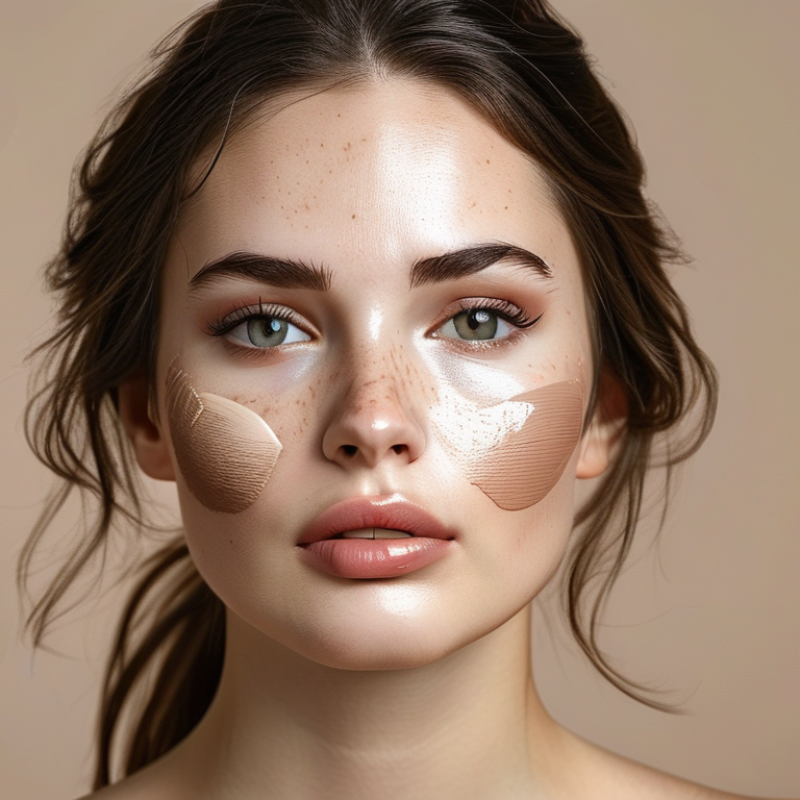
Dark circles and uneven skin tone can be a challenge. Many people apply concealer to brighten under their eyes. However, a common issue is that the concealer turns gray after application. This gray hue can stem from various factors.
One major reason is skin pH imbalance. The skin’s acidity changes throughout the day. If your skin is too alkaline, it can affect the color of your concealer. Additionally, improper blending can lead to uneven application. A study from the International Journal of Cosmetic Science indicates that nearly 35% of users experience color change due to blending techniques. This highlights the importance of using the right tools and methods.
Another factor to consider is the product’s formulation. Products with high levels of silica may cause a gray cast. Reports suggest that about 25% of consumers do not check ingredients effectively. Also, skin hydration plays a key role. Dehydrated skin can absorb makeup inconsistently, causing a dull look. Pay attention to your skin's health and maintain proper hydration. An optimal routine can help avoid these issues.
| Reason | Description |
|---|---|
| Oxidation | The oils and pigments in the concealer can react with air, causing a change in color. |
| Wrong Shade | Selecting a concealer that is too light or too dark can result in a gray cast. |
| Excess Oil | Oily skin can break down the formulation, altering the color. |
| Improper Application | Not blending well or applying too much product can lead to visible color changes. |
| Skincare Products | Ingredients in moisturizers or primers can affect how concealer wears. |
| Ageing Skin | Fine lines and textural changes can impact product performance and appearance. |
| Climate | Humidity and temperature can alter the finish and adherence of concealer. |
| Not Setting | Failing to set concealer with powder can lead to smudging and color changes. |
| Formulation | Some formulas, especially those with SPF, can change color upon application. |
: Skin pH imbalance can affect concealer color. Alkaline skin may lead to gray hues.
Products high in silica may cause a gray cast. It's crucial to check ingredients before use.
Dehydrated skin can absorb makeup unevenly, leading to a dull appearance. Proper hydration is key.
Undertones affect how concealer appears. A mismatch may result in a grayish look under your eyes.
Swatch shades along your jawline in natural light. This helps find a match that enhances your glow.
Yes, peach or orange tones can neutralize dark circles. Use sparingly to avoid creasing.
Ingredients like hyaluronic acid and peptides help hydrate and blend. This prevents uneven tone.
Use a lightweight moisturizer but avoid over-application. Find a balance to reduce creasing risks.
No, it often requires trial and error. Results might not always be ideal on the first try.
Reflect on your techniques and products. It may take time to perfect your application routine.
Concealers serve as a vital tool in achieving a flawless complexion, but many people wonder, "why does my concealer turn gray under eyes?" This phenomenon can be attributed to several factors, including the undertones of your skin, which can significantly influence how the product appears after application. Understanding your skin's undertones is essential in selecting a concealer that complements your natural color, thereby preventing the grayish hue that comes with mismatched shades.
Additionally, oxidation plays a crucial role in how concealers may change color throughout the day. When exposed to air, certain ingredients can react, leading to discoloration. To combat this, applying concealer with the right techniques and choosing formulas with key ingredients designed to resist oxidation is important. By following best practices in application and selecting suitable products, you can maintain a fresh, vibrant look without the worry of graying under the eyes.
