Fmo Beauty
Choosing the right concealer shade can be daunting. Many people struggle to find a match that complements their skin tone. However, understanding the nuances of color and application can make a significant difference.
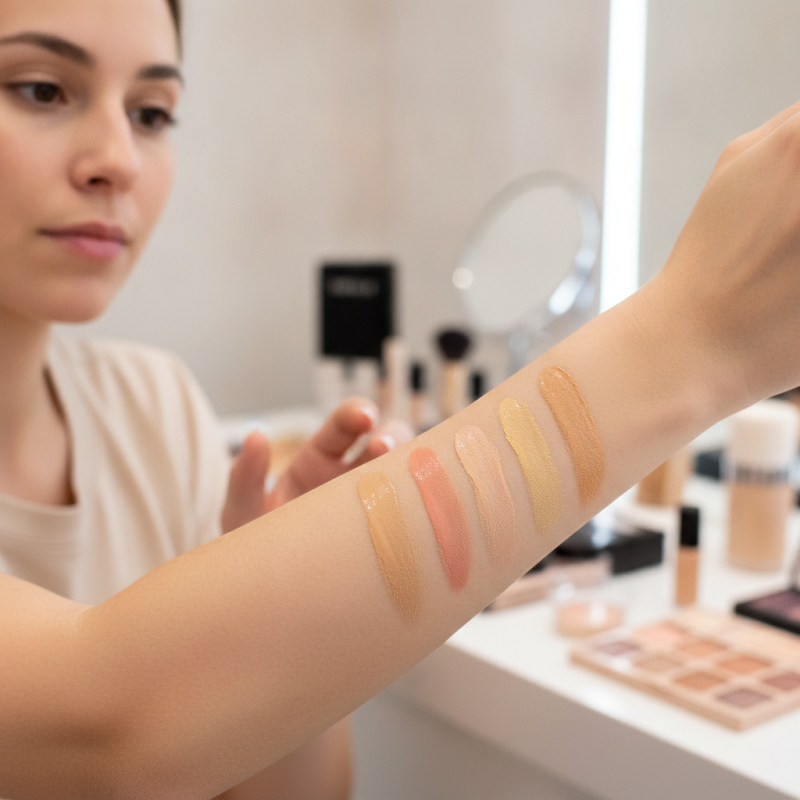
It’s essential to consider factors such as undertones and skin types. For instance, warm undertones often work well with beige or peach shades. Conversely, cool undertones may blend better with pink or yellow tones. Experimenting with swatches can help you visualize outcomes.
Finding “how to choose the right concealer shade” often involves trial and error. Don't be afraid to seek expert advice. Visiting a beauty counter can provide personalized assistance. Taking the time to engage with products will lead to more satisfying results. Ultimately, a perfect match enhances your natural beauty, making this journey worthwhile.
When choosing the right concealer shade, understanding your
skin tone and
undertone is crucial. Skin tone refers to the surface color of your skin, which can be
fair, medium, tan, or deep. Undertone, however, is the subtle hue beneath the skin's surface.
It can be cool, warm, or neutral. Identifying
your undertone can significantly impact your concealer choice.
To determine your undertone, consider examining the veins on your wrist.
Blue or purple veins suggest a cool undertone, while greenish veins point to a warm undertone.
Neutral undertones may see both blue and green hues. This simple test can guide you in selecting a concealer that seamlessly blends with your skin.
Another tip is to test the concealer on your jawline, not your wrist. The chin area often provides a more accurate match.
Apply a small amount and check its appearance in natural light. Remember, concealers are not one-size-fits-all.
A miscalculation in shade can leave a visible line. Embrace the process of trial and error;
finding the perfect match may take time.
When it comes to concealer formulas, the choice between liquid, cream, and stick can significantly affect your makeup results. Liquid concealers offer a lightweight finish, making them ideal for covering blemishes and dark circles. Their fluid texture blends easily, providing a natural look. Cream concealers, on the other hand, are thicker and offer more coverage. They're perfect for more extensive areas or stubborn spots. Stick concealers are convenient for on-the-go touch-ups. They can be applied directly and provide a matte finish, ideal for oily skin types.
When selecting a shade, consider your skin tone and undertone. Apply concealer along your jawline to test it. The right shade should seamlessly blend into your skin. A mistake commonly made is choosing a shade that’s too light or too dark. This can create an unnatural look. Keep in mind that your concealer shade may change with the seasons.
Consider finishing touches. Setting powders can help secure your concealer. This ensures it stays in place throughout the day, especially in humid weather. Don't forget to hydrate your skin for better blending. Overly dry skin can cause patchiness, highlighting imperfections instead of concealing them. Finding the right formula and shade may take time, but the effort is worth it for a flawless finish.
| Tip Number | Tip Description | Best for Skin Type | Finish Type |
|---|---|---|---|
| 1 | Determine your undertone: warm, cool, or neutral. | All skin types | N/A |
| 2 | Test the shade on your jawline, not your wrist. | All skin types | N/A |
| 3 | Consider the type of coverage you need: light, medium, or full. | All skin types | Matte or Dewy |
| 4 | Choose a formula that works for your skin type: liquid, cream, or stick. | Dry to oily skin | N/A |
| 5 | Assess the texture to avoid settling into fine lines. | Mature skin | N/A |
| 6 | Look for additional skincare benefits, like hydration or SPF. | Sensitive or dry skin | N/A |
| 7 | Consider the purpose: under-eye, blemish, or overall coverage. | All skin types | N/A |
| 8 | Try to match your concealer to your foundation. | All skin types | N/A |
| 9 | Consider seasonal skin changes and adjust shades accordingly. | All skin types | N/A |
| 10 | Test it in different lighting before purchasing. | All skin types | N/A |
Choosing the right concealer shade can greatly impact your makeup routine. Testing concealer shades in natural lighting is essential for an accurate match. Research indicates that over 70% of makeup users struggle with shade selection, leading to mismatched tones. Natural light reveals true colors, helping you avoid the dreaded “makeup mask” effect.
When testing shades, step outside or find a well-lit window. Apply a small amount on your jawline or wrist. This area better reflects your overall skin tone. Experts recommend waiting a few minutes for the product to settle. Often, concealers may appear different once blended. Consider that various lighting conditions can alter your perception. A shade that looks perfect indoors may clash under sunlight.
It's also vital to understand your undertones. Many people fall into categories like warm, cool, or neutral. A study found that 45% of individuals misidentify their undertones. This can lead to choosing a concealer that does not complement your skin. Take the time to analyze your skin’s natural hue. Observing this in various light conditions enhances your choice and gives you confidence in your look.
Choosing the right concealer shade can feel overwhelming, especially when addressing various skin issues. Different concerns require different coverage techniques. For blemishes and acne scars, look for a shade slightly lighter than your foundation. This creates contrast and helps to neutralize dark spots effectively.
If you have dark circles, a peach or orange-toned concealer works wonders. It counteracts the blue hues typically found under the eyes. Be cautious about texture; some formulas can accentuate fine lines. Always test the product in natural light to gauge coverage accurately.
Remember, skin tones can change. Seasonal shifts may affect your complexion. A shade that matched in summer might look off in winter. It’s essential to remain flexible and reassess your needs periodically. This ensures that your concealer seamlessly blends and effectively covers your specific skin issues. Trust your instincts and be willing to experiment for the best results.
Finding the perfect concealer shade can be tricky. It often requires trial and error. Skin tones vary greatly, and lighting can affect how shades appear on your skin. The right concealer must blend seamlessly, concealing imperfections without standing out.
Start by swatching different shades on your jawline. This area typically reflects your face and neck tone. Experiment in natural light for the best results. Remember that the perfect match may be a shade lighter or darker than your foundation.
When testing concealers, apply small dots and blend. Compare them after a few minutes. Some shades may oxidize, changing their appearance. Keep in mind that seasonal changes to your skin tone can also affect your needs. You'll likely face some mismatches, but these experiences guide you toward the ideal choice.
: Check the veins on your wrist. Blue means cool, green suggests warm, and both indicate neutral.
Test concealer on your jawline, not your wrist. This area gives a better match for your face.
Use a peach or orange-toned concealer. It counteracts blue hues under the eyes effectively.
Your skin tone can change with seasons. Reassess your needs regularly to ensure a good match.
Select a shade slightly lighter than your foundation to create contrast and neutralize dark spots.
Don't be discouraged by mismatches. Testing different shades is part of finding the right match.
Yes, some formulas may highlight fine lines. Always test in natural light to assess the texture.
It’s wise to check your concealer regularly, especially with seasonal changes or skin texture shifts.
Choosing the right concealer shade can make a significant difference in achieving a flawless makeup look. To effectively determine how to choose the right concealer shade, it's essential to start by understanding your skin tone and undertone. This foundational knowledge helps in selecting shades that complement your natural complexion. Additionally, consider the type of formula that best suits your needs—liquid, cream, or stick—as each offers unique application and coverage properties.
When testing concealer shades, always do so in natural lighting to ensure an accurate match. It's also important to tailor your choice based on specific coverage needs, as different skin issues may require varying levels of concealment. Finally, don’t hesitate to engage in a trial and error process to find the perfect match for your skin, ensuring you look your best every day.
