Fmo Beauty
Fmo Beauty
Fmo Beauty
Discover our highly requested export formulations and industrial support materials selected for global markets.
Unveiling market-driving advancements in materials, regulatory structures, and manufacturing excellence.
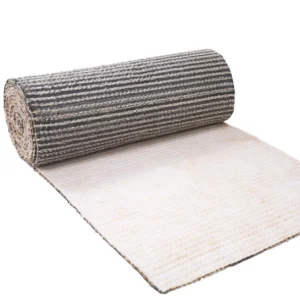
Transitioning from cheap SBR latex to zero-sensitization, high-density, hydrophilic polyurethane. Minimizes product absorption while maximizing foundation deposition.
CE marking confirms safety conformance under demanding EU directives. Essential for hassle-free customs clearance and direct entry to European consumer channels.
Modern continuous foaming combined with precision micro-bubble sizing ensures consistent water-activation elasticity and prolonged durability.
Years Experience
Countries Served
Brands Partners
CE Certified
In the modern, highly regulated cosmetics landscape, beauty brands, brand managers, and import distribution networks can no longer afford to bypass strict material compliance. The term "CE Certified Makeup Sponge Factory" has evolved beyond a marketing label; it is a critical regulatory prerequisite. As the global market witnesses high demand for clean-beauty applicators, procurement strategies must focus heavily on chemical safety, skin-contact biometrical compatibility, and structural consistency.
Traditionally, the beauty industry relied on Styrene-Butadiene Rubber (SBR) and Nitrile-Butadiene Rubber (NBR) latex materials. However, modern consumer standards have rejected latex because of widespread allergic skin reactions. The new benchmark is hydrophilic polyurethane (LFP). Under strict factory production controls, LFP sponges expand evenly when wet, creating an ultra-soft interface that prevents cosmetic formulas from sinking deeply into the core of the sponge. This property, known as "minimal makeup absorption," reduces formula waste and enhances consumer satisfaction.
Guangzhou Fmo Beauty Co., Ltd. is a professional OEM & ODM cosmetics manufacturer located in Guangzhou, China, with nearly 20 years of experience in the beauty industry. We specialize in the development, production, and customization of high-quality makeup products, providing one-stop private label solutions for beauty brands worldwide.
Our factory is strategically located in Baiyun District, only 10 minutes from Guangzhou Baiyun International Airport, and operates under strict international quality standards. Equipped with advanced production lines, professional laboratories, and modern testing facilities, we are committed to delivering safe, innovative, and market-driven cosmetic products.
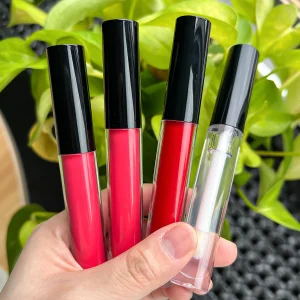
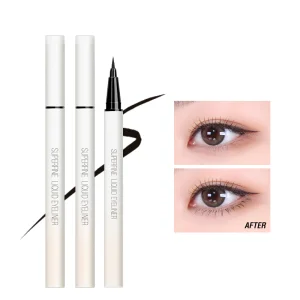
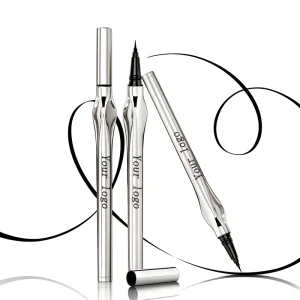
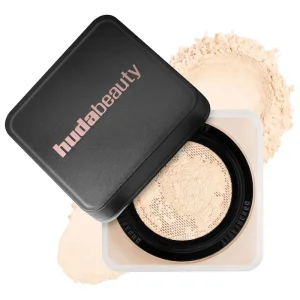
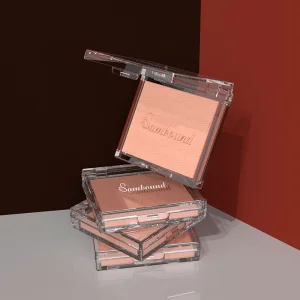
Our product range covers lipstick, lip gloss, lip oil, foundation, concealer, blush, eyeshadow, highlighter, mascara, eyeliner, sunscreen makeup, tanning products, and other color cosmetics. Backed by an experienced R&D team, we continuously develop trend-inspired formulas and offer customized formulations, shades, packaging, and branding solutions to help customers create unique products that stand out in the market.
As a trusted manufacturing partner, we provide complete OEM/ODM services, from product concept development and sample creation to packaging design, mass production, and global logistics support. Our professional sales, quality control, and after-sales teams ensure smooth communication, strict quality management, and efficient project execution throughout the entire cooperation process.
With strong manufacturing capabilities and competitive pricing, Fmo Beauty has successfully served more than 2,000 beauty brands and exported products to over 40 countries and regions, including North America, Europe, Australia, Southeast Asia, and the Middle East. Our commitment to quality, innovation, fast delivery, and customer satisfaction has earned us long-term partnerships with clients around the world.
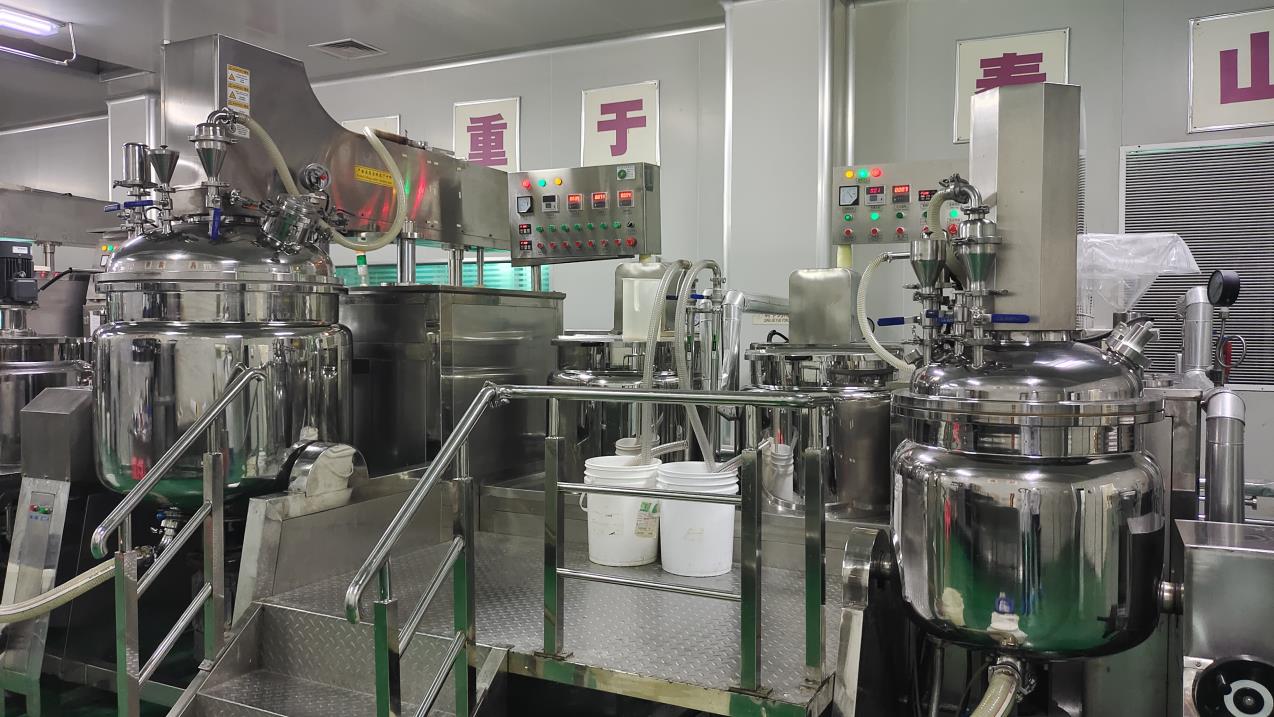
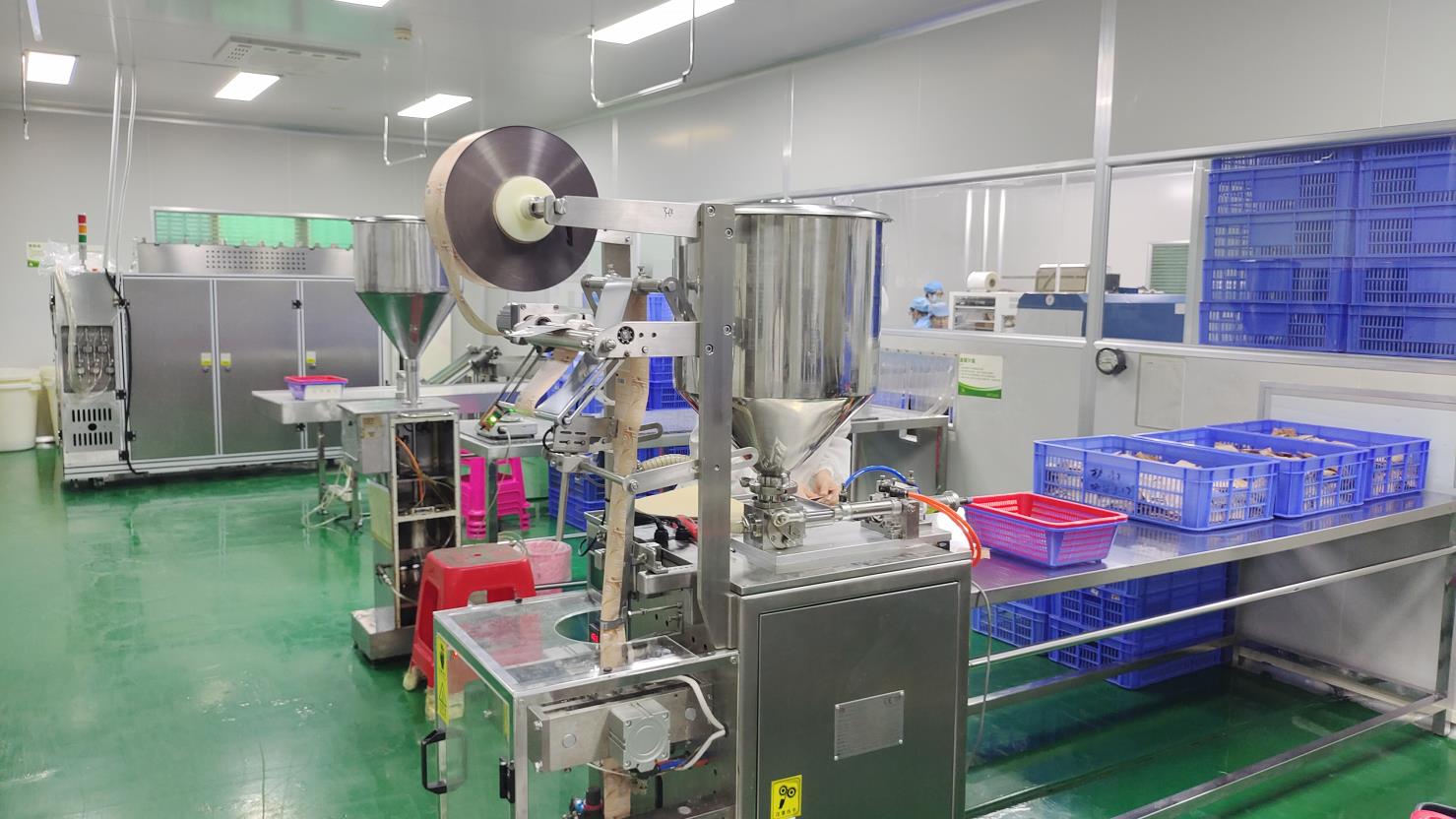
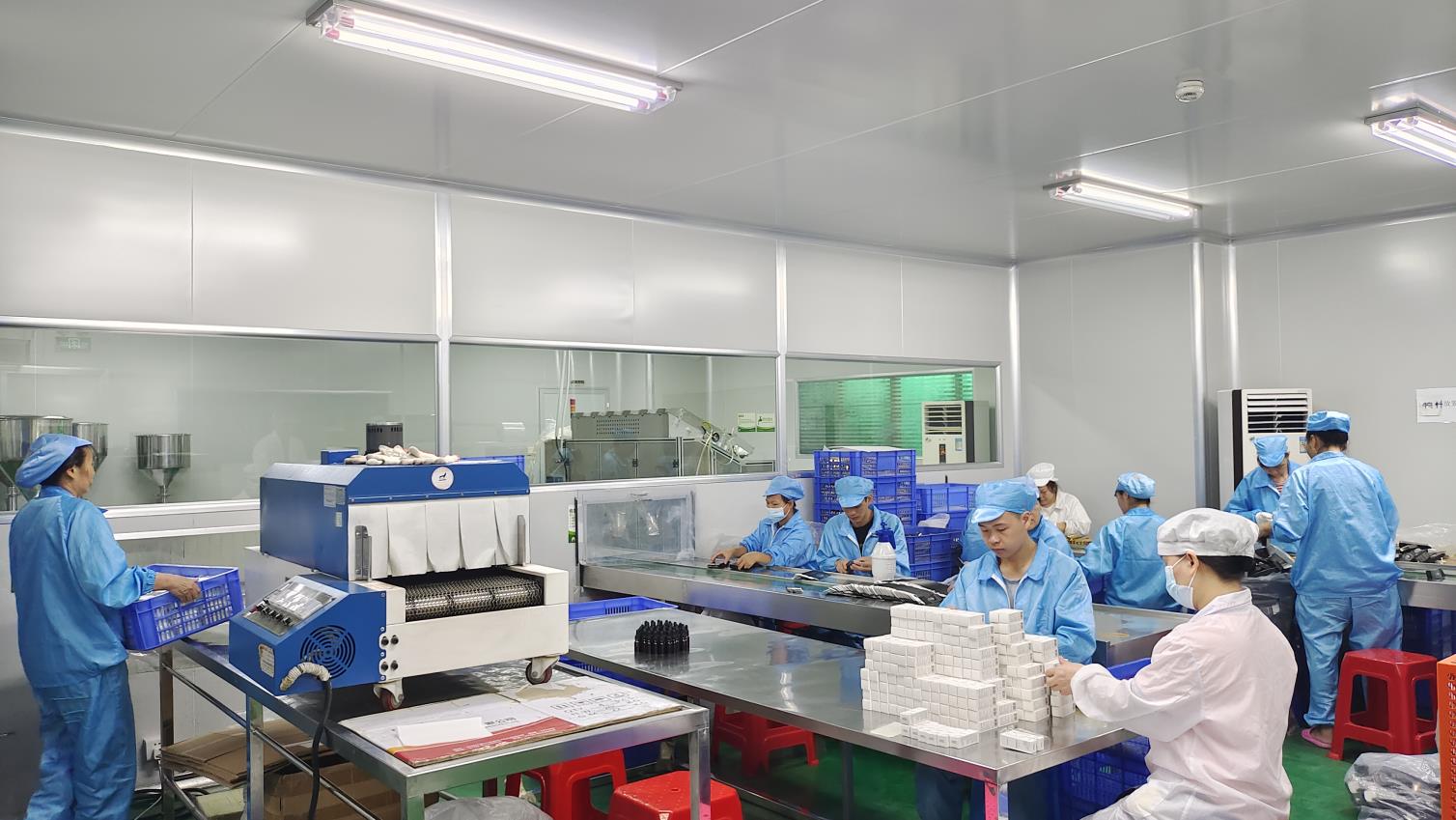
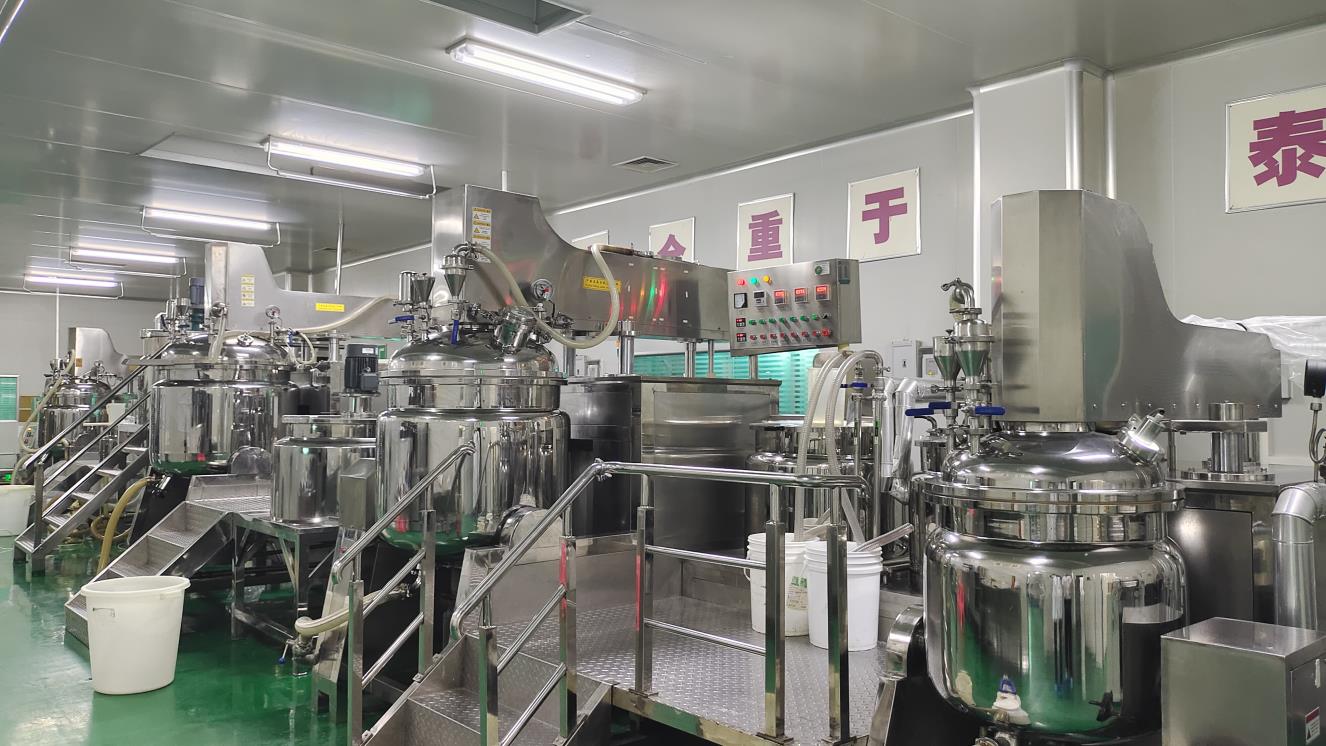
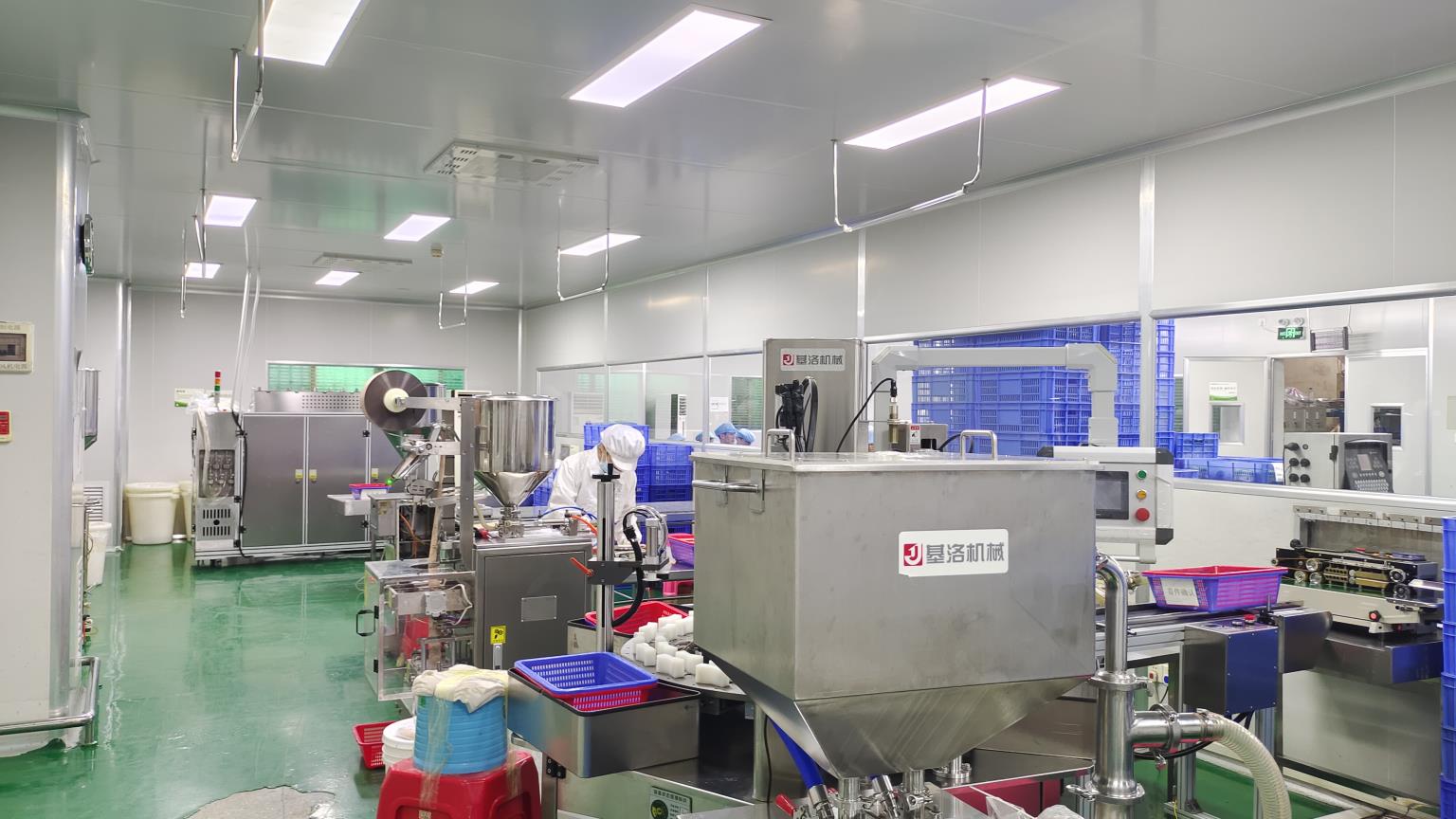
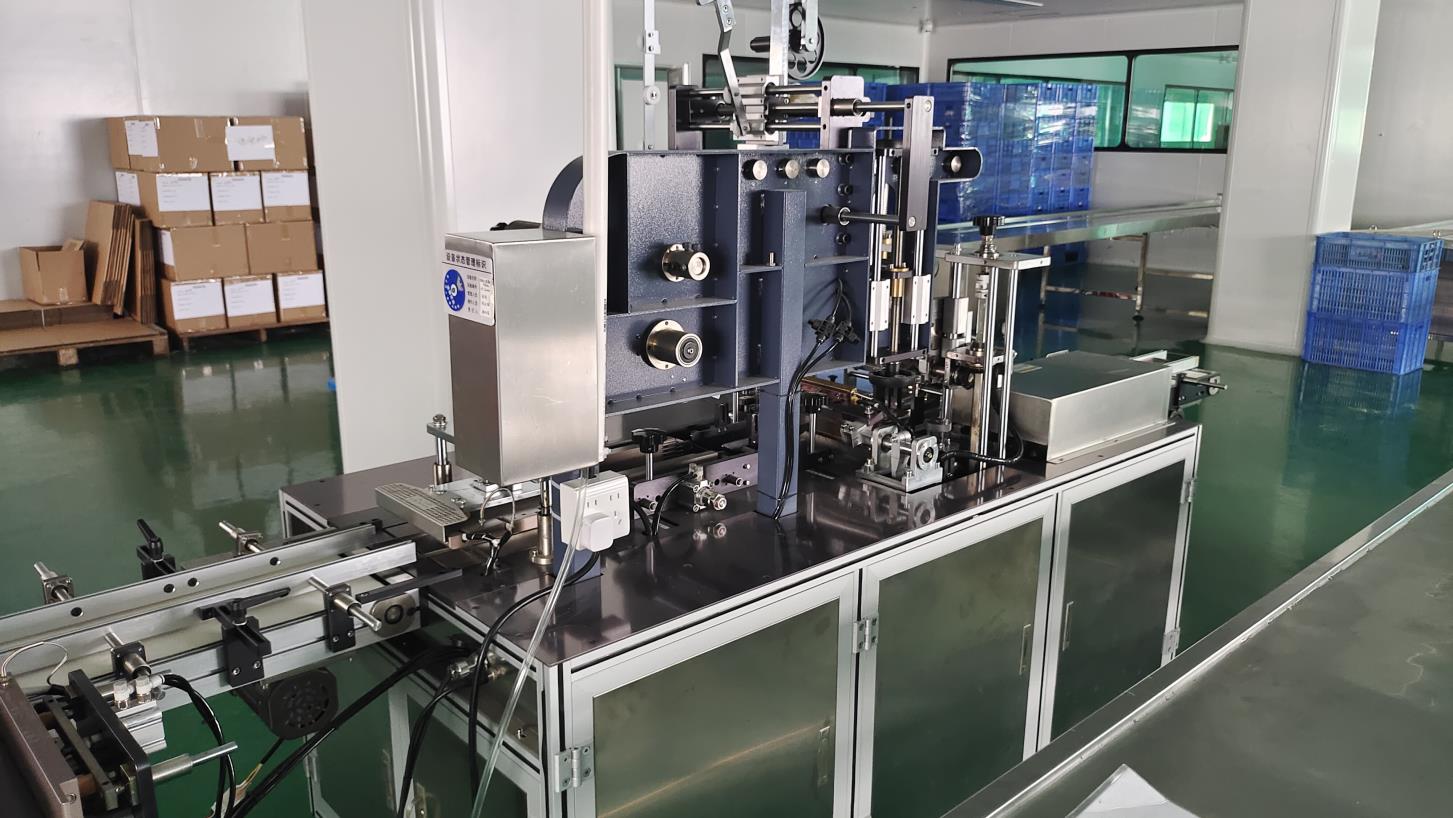
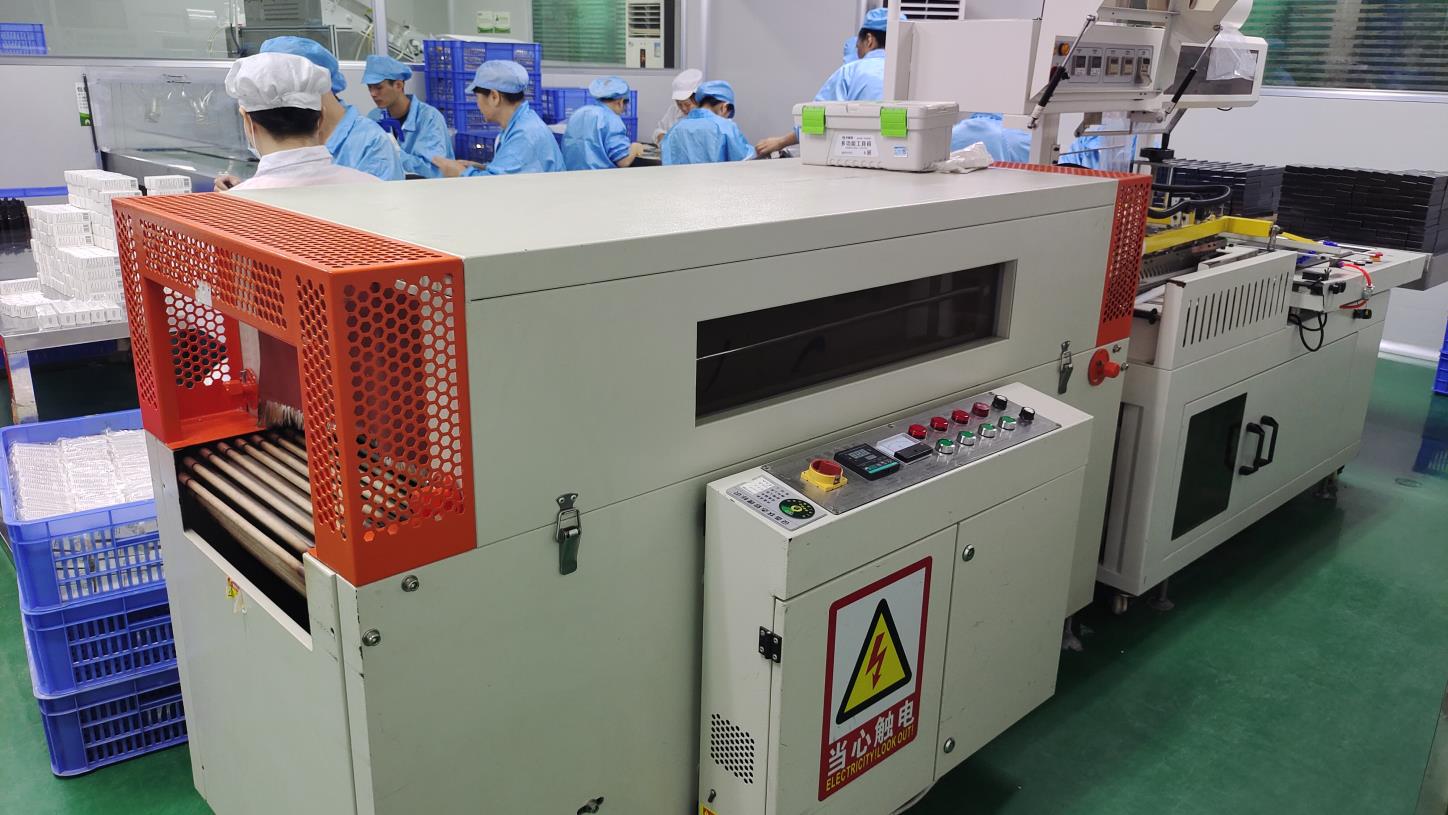
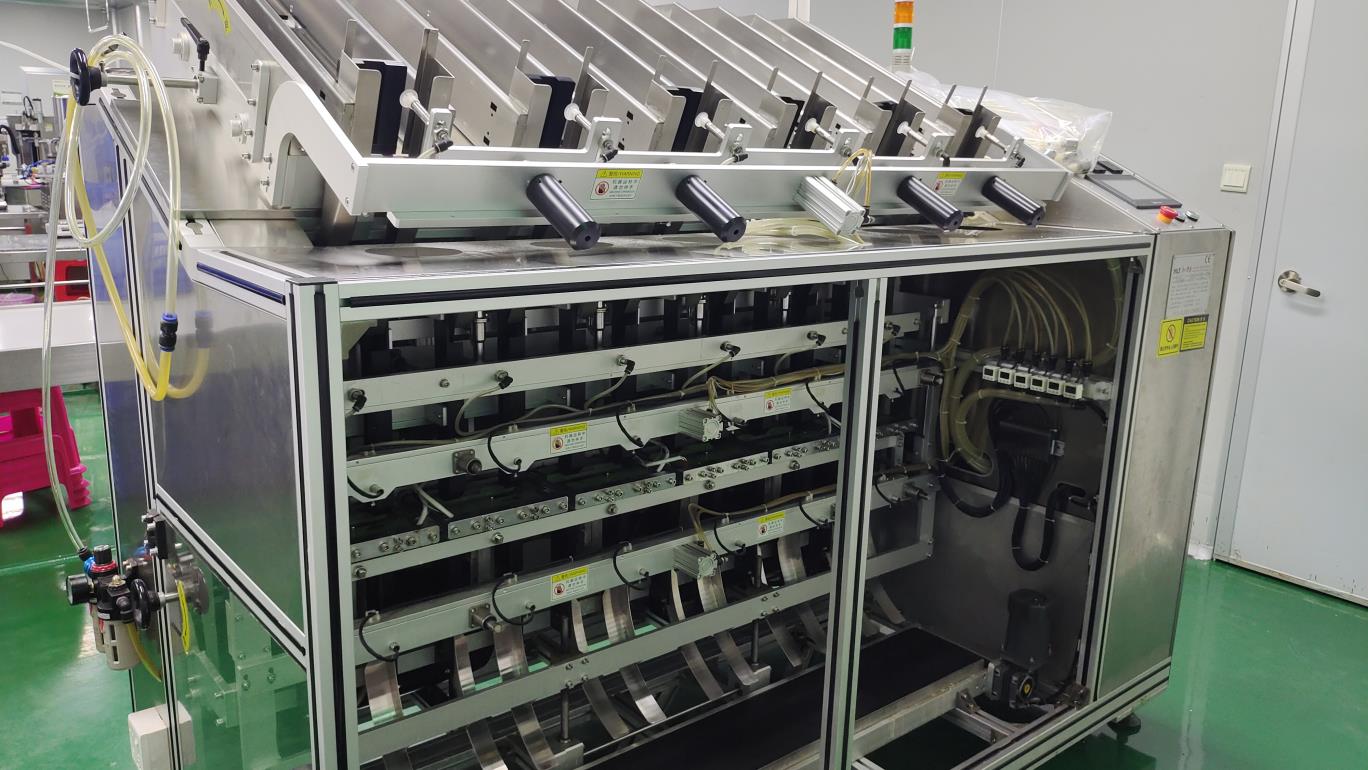
Take a virtual tour through our specialized manufacturing infrastructure, designed to scale cosmetics production with strict control over quality.
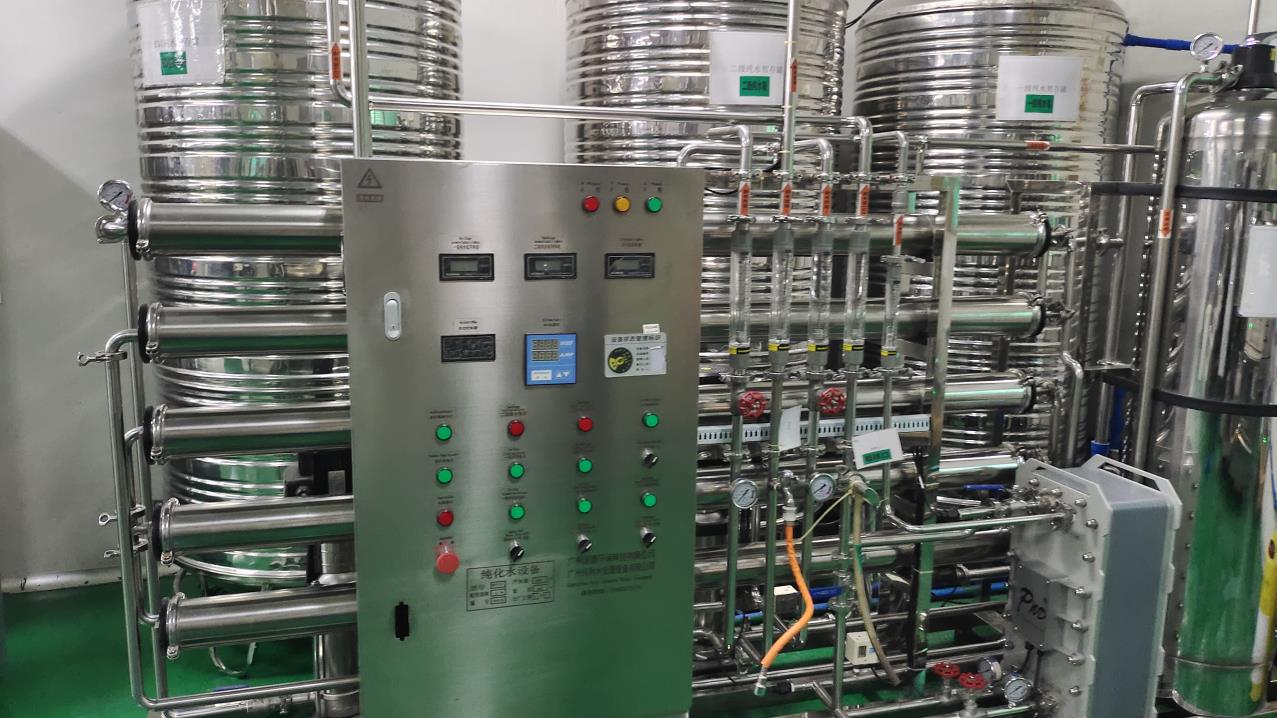
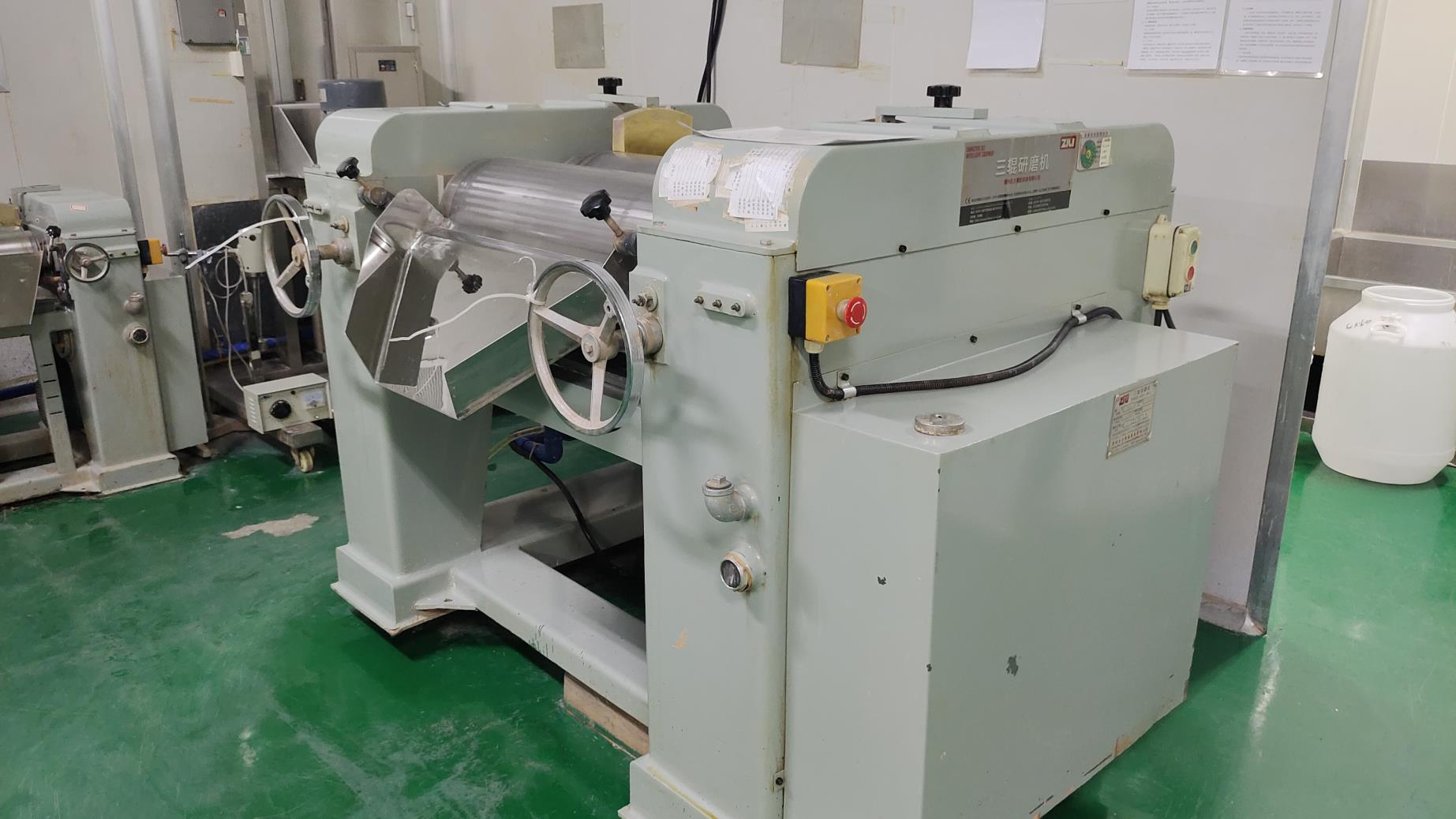
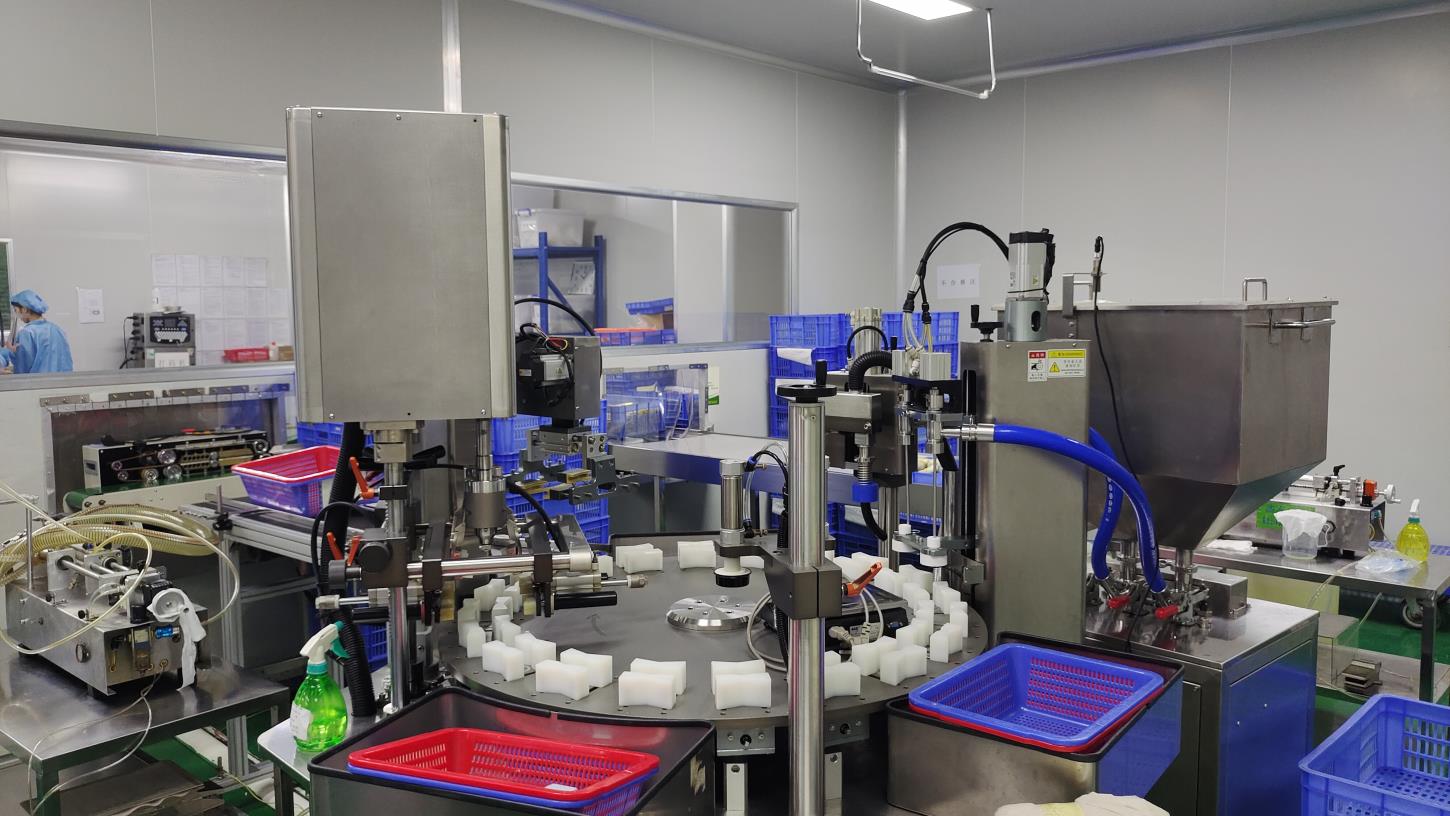
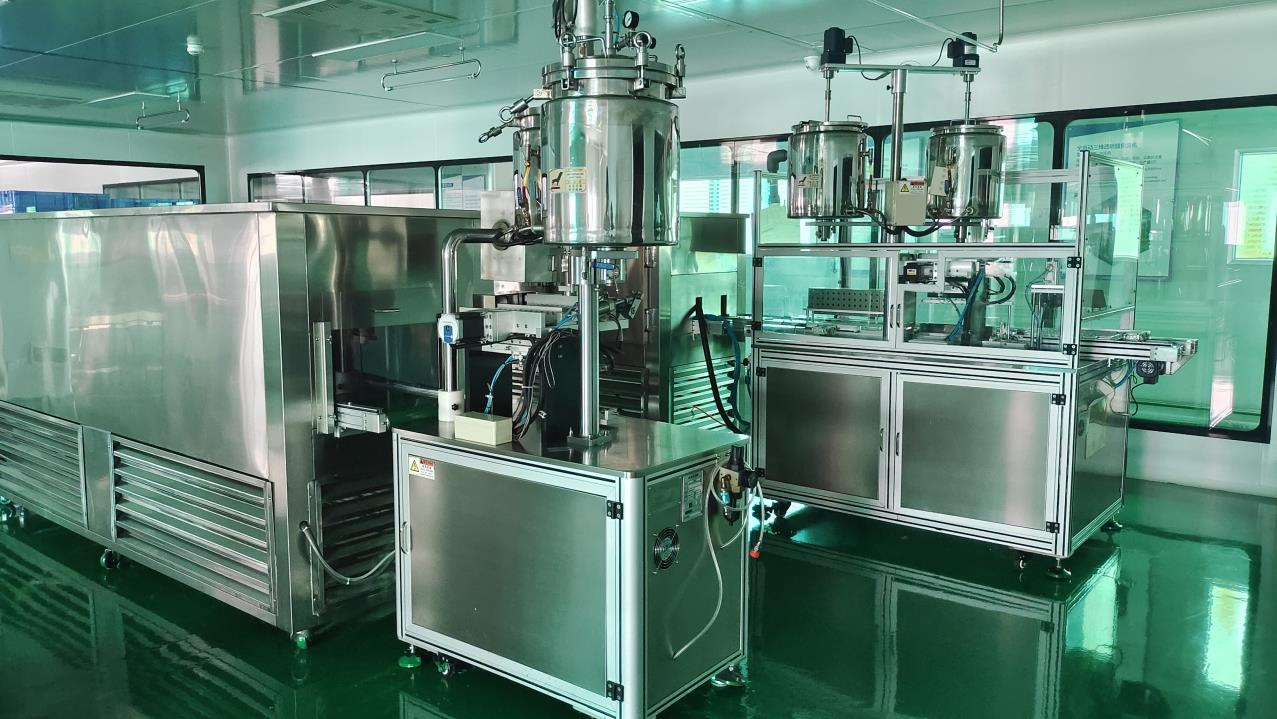
The global makeup applicator market is no longer a small, secondary segment of color cosmetics. Market studies show the global makeup sponge market is expected to grow steadily. This growth is driven by several key factors: the popularity of liquid-based cosmetics like foundations, BB creams, and liquid blushes; the rising demand for high-performance applicators; and the growth of private label brands seeking custom tools.
For international buyers, distributors, and cosmetics brand owners, importing beauty sponges involves complex supply chain decisions. Purchasing from a CE certified makeup sponge factory is crucial because of the strict import regulations in major markets:
Developing an elite makeup applicator is an engineering process. At our advanced plant in Guangzhou, China, the production process is carefully managed to control sponge softness, water expansion ratio, density, and pore distribution.
We use an advanced, eco-friendly liquid polyurethane prepolymer. When mixed with water under precise temperature controls, it reacts to release carbon dioxide gas, creating an interconnected open-cell structure. By adjusting the water-to-prepolymer ratio, our technicians can customize the density and pore structure of the sponge.
Our factories utilize high-shear mixing heads that inject filtered air into the liquid mixture. This creates microscopic cell sizes (ranging from 100 to 250 microns). This tiny pore structure is what gives the sponge its soft, smooth texture, ensuring an even makeup application without leaving lines on the skin.
Sponge blocks are cured and then sliced using computerized horizontal cutting tables. To create shapes like the teardrop, flat-angled, or hourglass sponge, we use custom molding and high-precision grinding machines to ensure every batch is uniform.
As a major OEM/ODM partner, we offer comprehensive customization options to help brands create unique products that stand out in the competitive cosmetics market:
Expert technical answers to common queries regarding regulatory compliance, manufacturing timelines, and custom formulations.
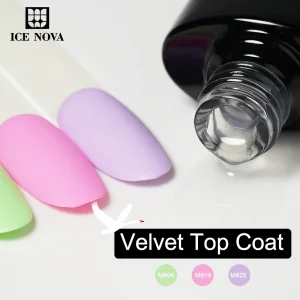
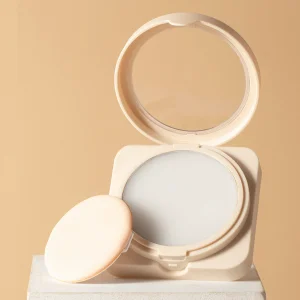
Review additional private-label cosmetic formulations, top coats, and specialty industrial liners available for export.