Fmo Beauty
Fmo Beauty
Fmo Beauty
Premium OEM & Private Label Skincare and Cosmetic Systems

Expert Chemistry, pH Thresholds, and Keratolytic Mechanisms
The global cosmetic market is experiencing a massive paradigm shift. Consumers are transitioning away from physical, abrasive scrubs toward chemically engineered chemical exfoliants, commonly termed facial peels. This transition is motivated by a deeper consumer understanding of the skin barrier, cell turnover rates, and targeted clinical solutions. As a brand, securing a partnership with an advanced OEM Facial Peel Manufacturer is crucial for developing high-performance products that guarantee visible results while maintaining strict microbiological and cutaneous safety.
The efficacy of a chemical peel is not merely defined by its percentage of active acids, but more importantly, by its free acid value, which is governed by the formulation's final pH level. An OEM facial peel factory must possess high-level scientific expertise to stabilize active acids, avoiding crystallization and keeping the formulation consistent throughout its shelf life.
Glycolic Acid (smallest molecular size, deep penetration), Lactic Acid (excellent humectant properties, milder exfoliation), and Mandelic Acid (lipophilic, ideal for sensitive and hyperpigmented skin).
Salicylic Acid is oil-soluble, allowing it to penetrate deep into the lipid-rich sebaceous glands. Essential for targeted acne-clearing, blackhead reduction, and anti-inflammatory peeling systems.
Gluconolactone and Lactobionic Acid represent the next generation of exfoliants. Featuring larger molecular structures, they offer gradual epidermal penetration, making them perfect for sensitive or post-procedural skin.
When engineering these systems, Guangzhou Fmo Beauty Co., Ltd. utilizes advanced buffering agents (such as Sodium Citrate or Sodium Hydroxide) to calibrate the pH range. For daily consumer-use products, the pH is typically maintained between 3.5 and 4.0 to guarantee efficacy without causing barrier disruption. For professional spa or dermatological clinic applications, the pH is precisely configured under strict control to achieve higher keratolytic action, optimizing the renewal rate of the stratum corneum.
Leveraging Nearly Two Decades of Professional Cosmetics OEM/ODM Expertise
Operating out of the premier cosmetic production hub in Guangzhou, China, Guangzhou Fmo Beauty Co., Ltd. serves as a reliable B2B partner for global brands. With nearly 20 years of dedicated experience in the beauty manufacturing industry, the factory combines scientific research with large-scale production capabilities to deliver certified, high-grade color cosmetics and specialized skincare formulations.
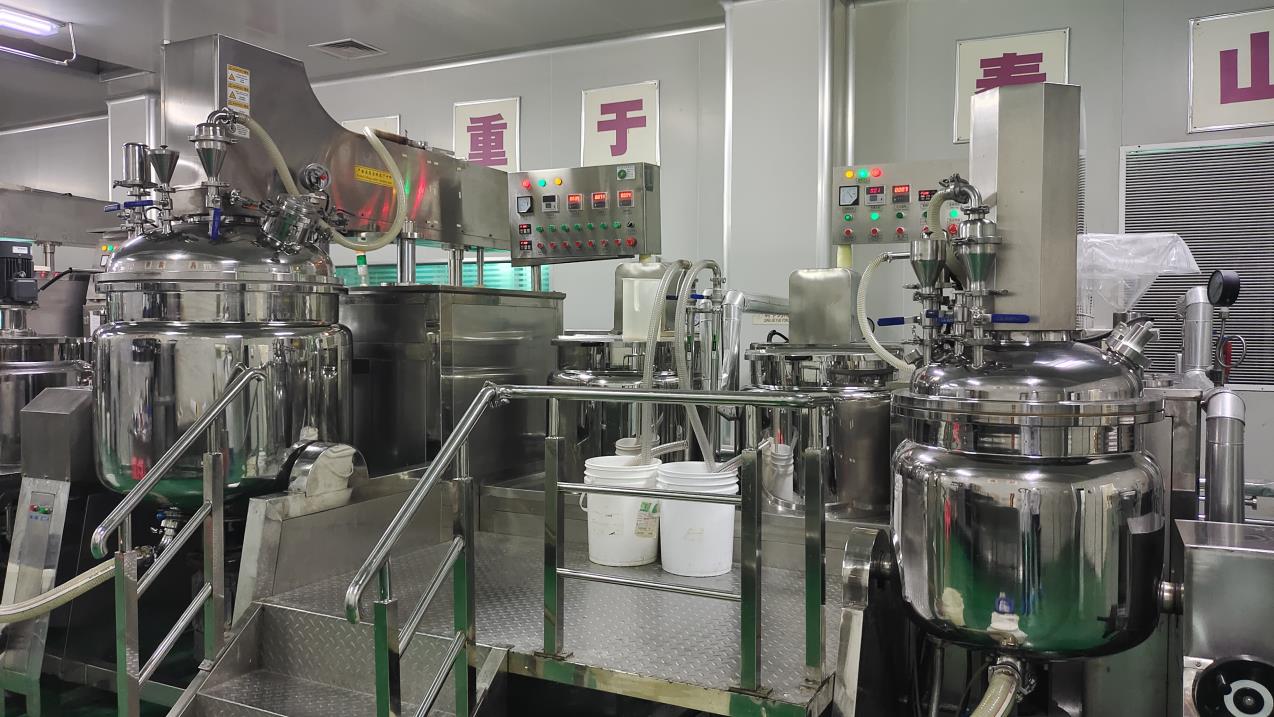
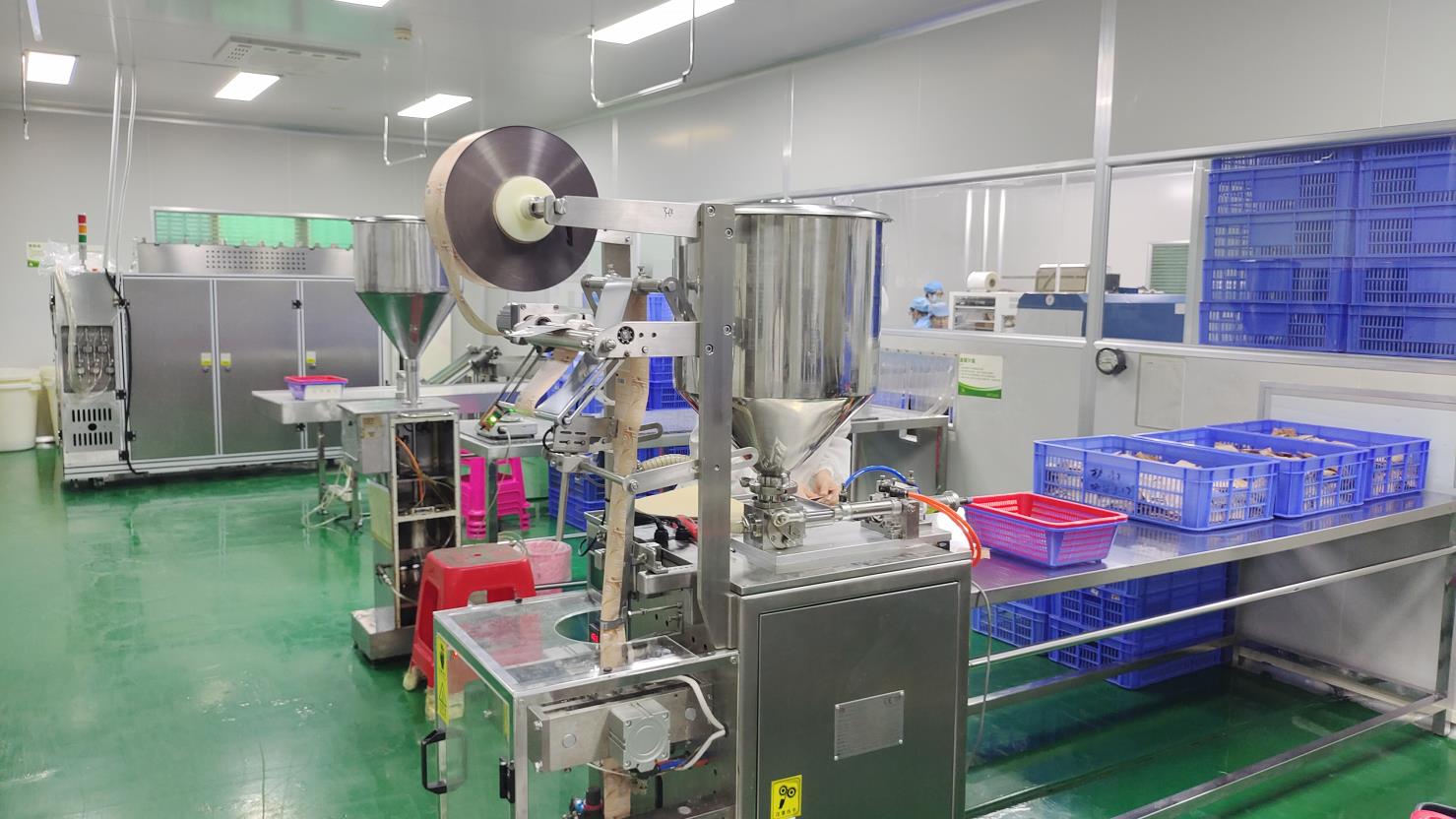
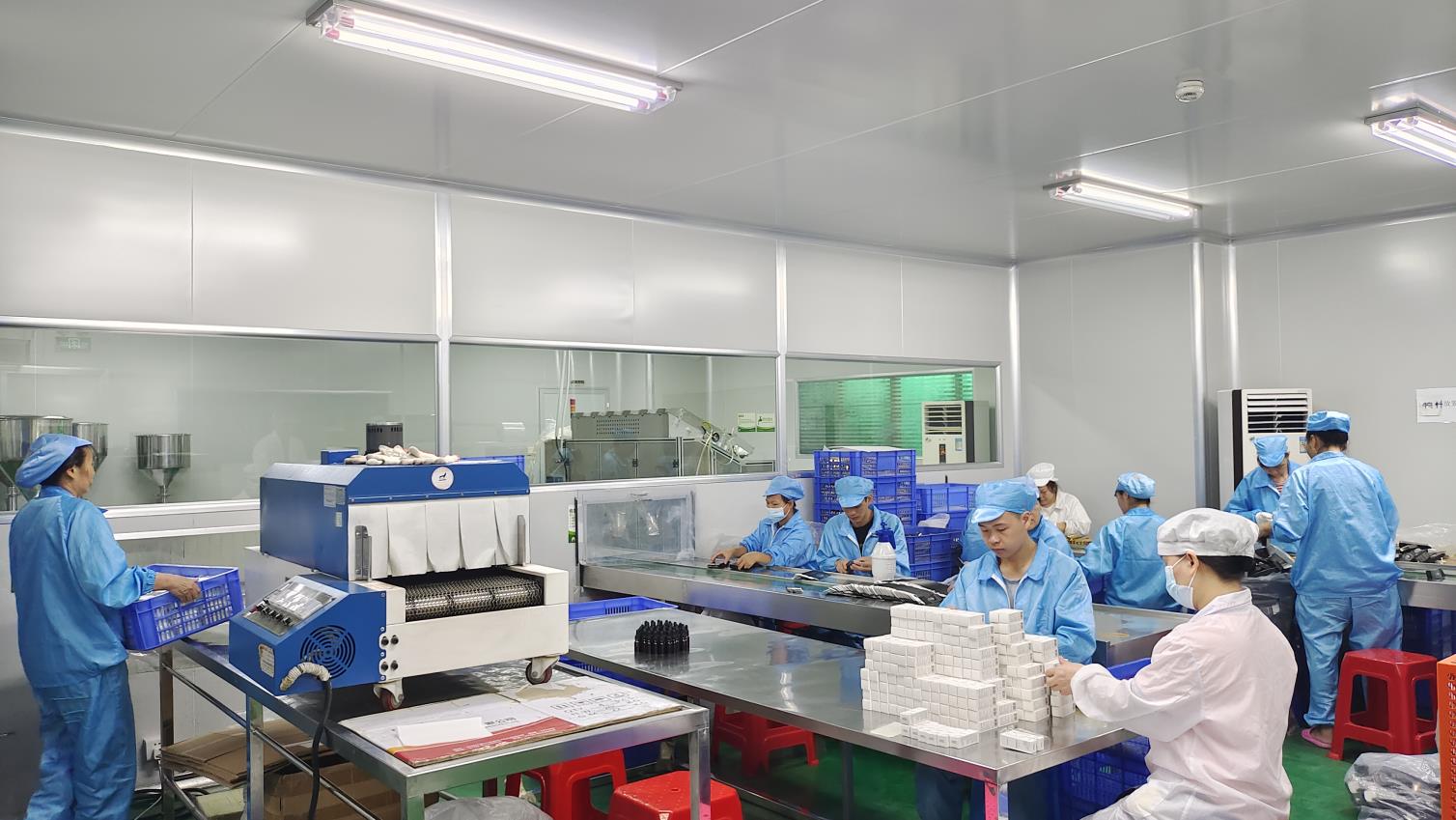
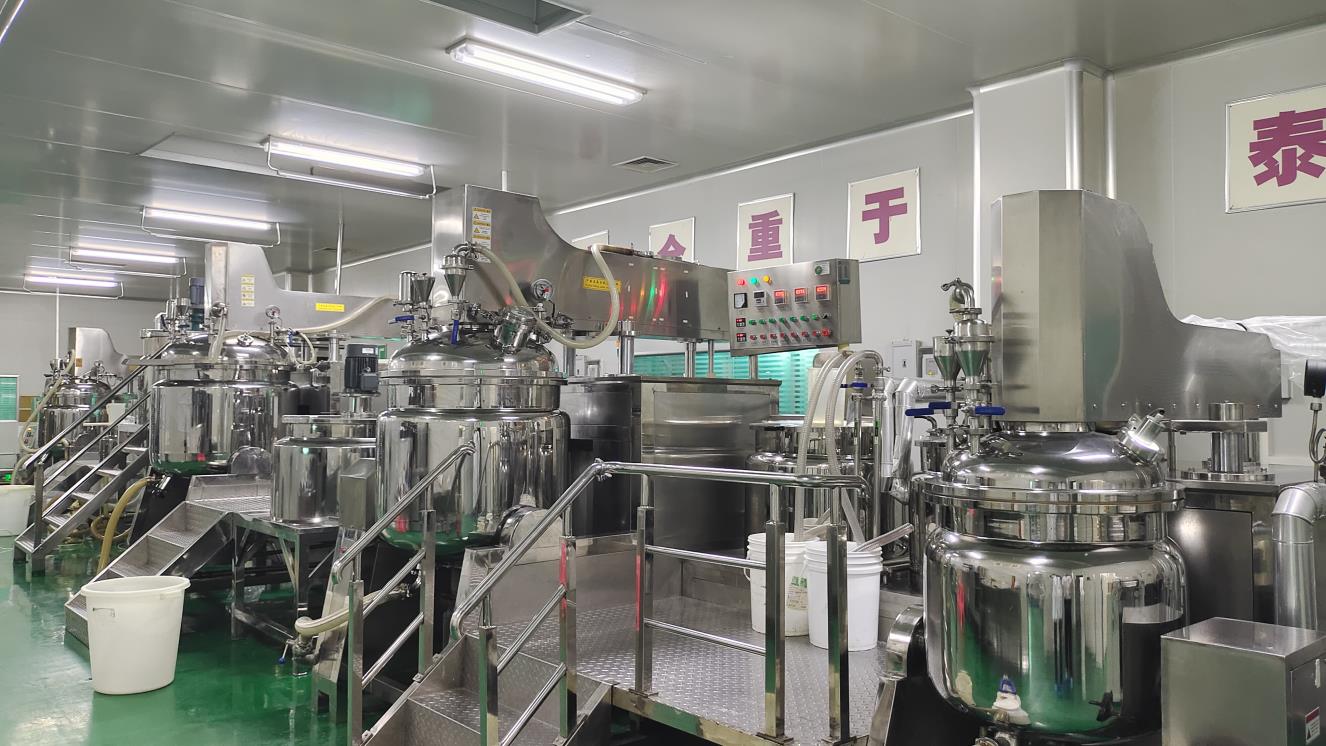
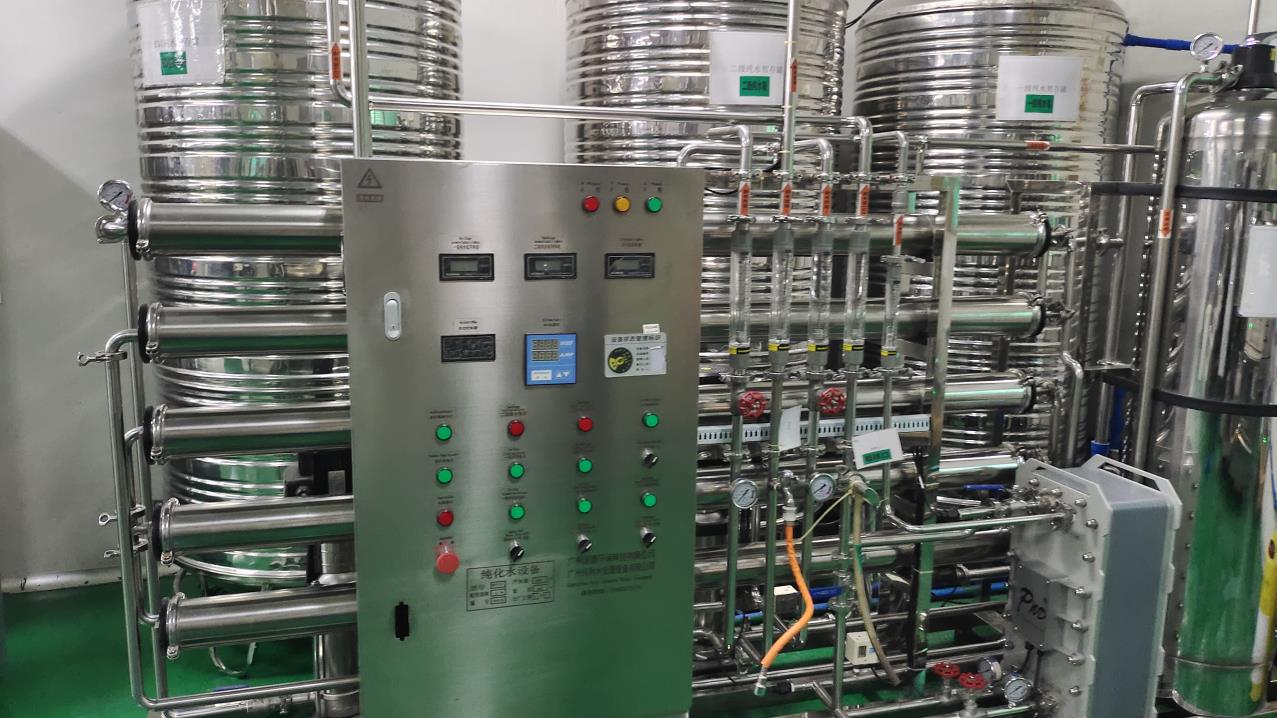
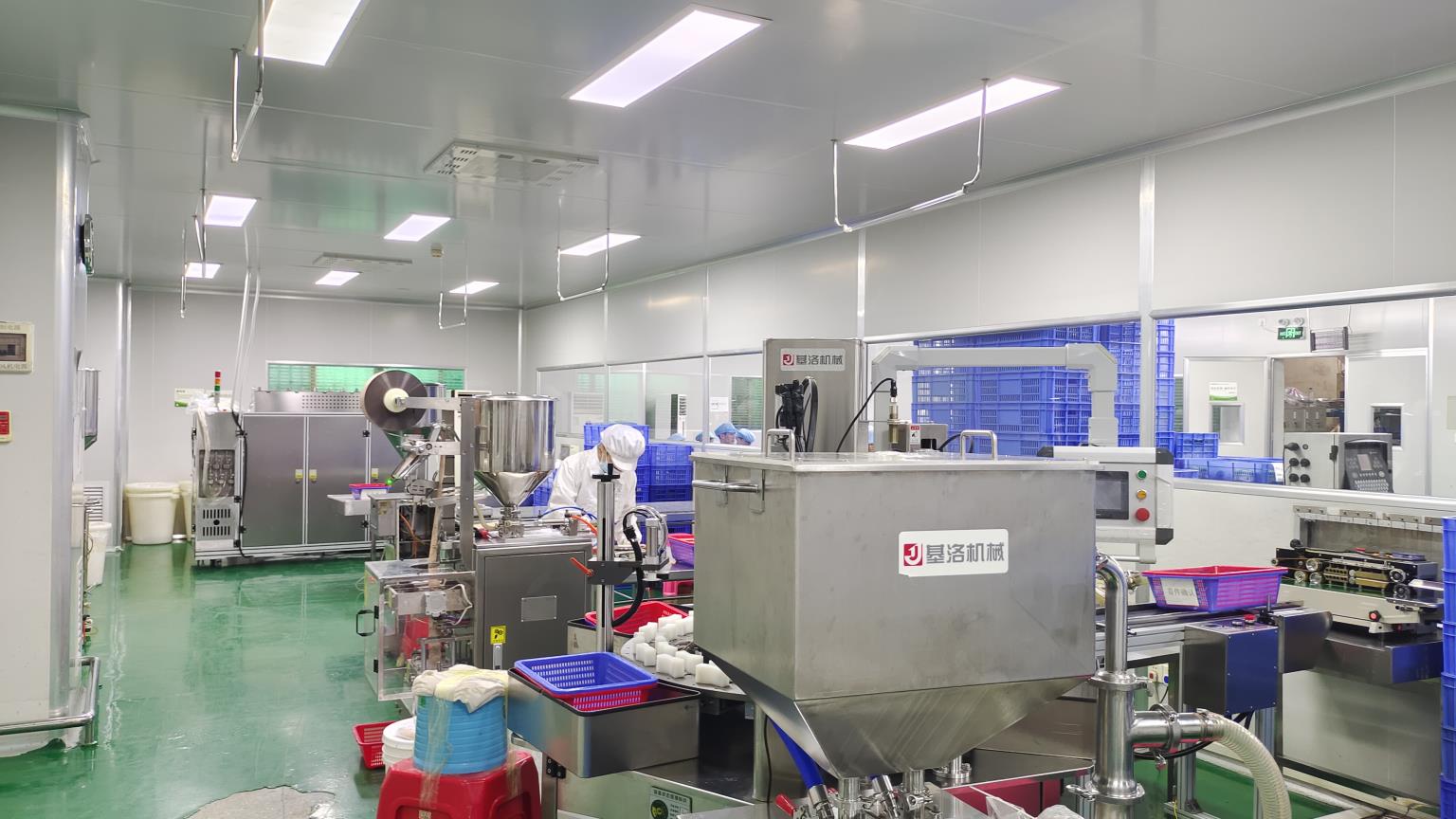
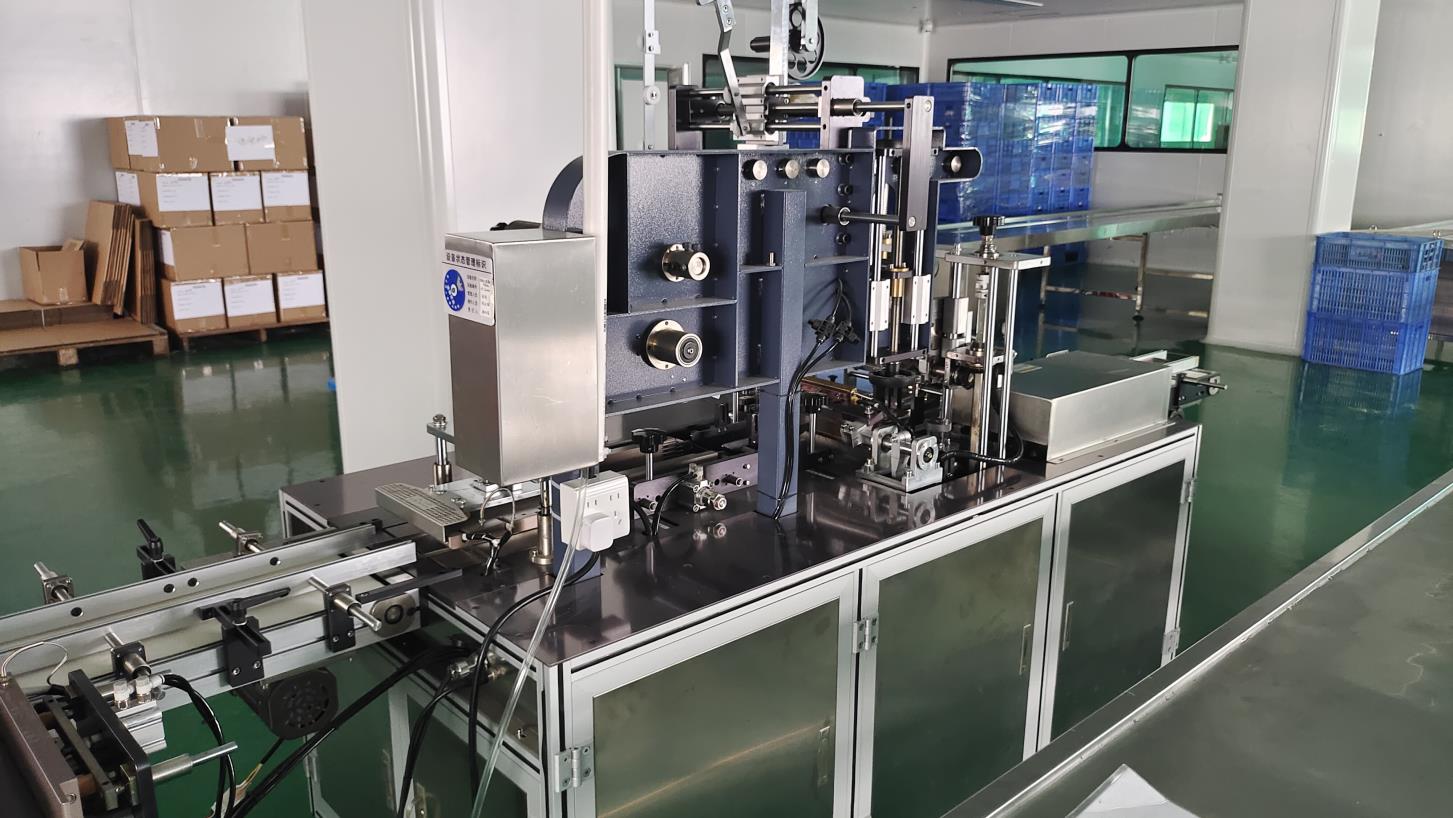
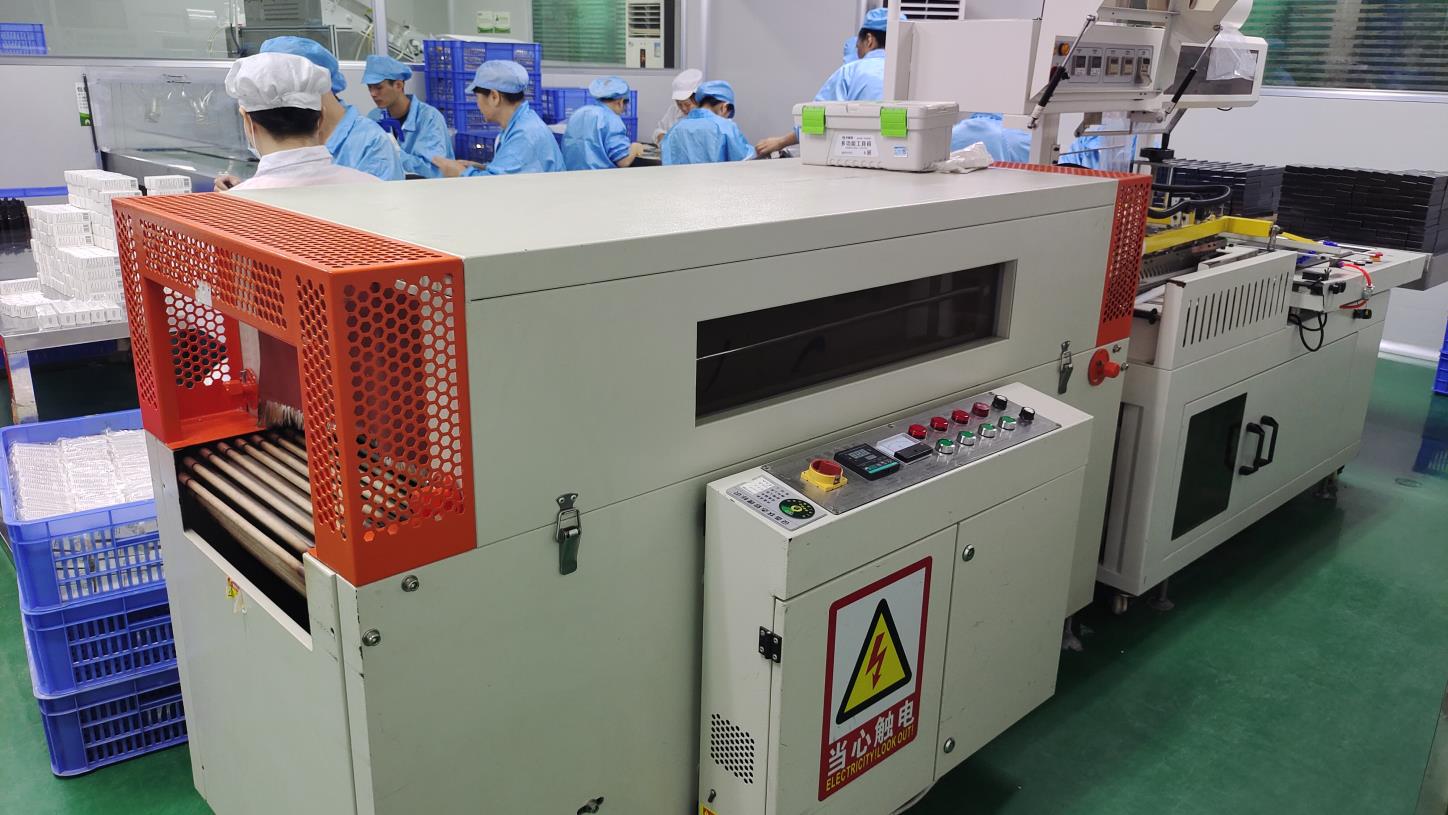
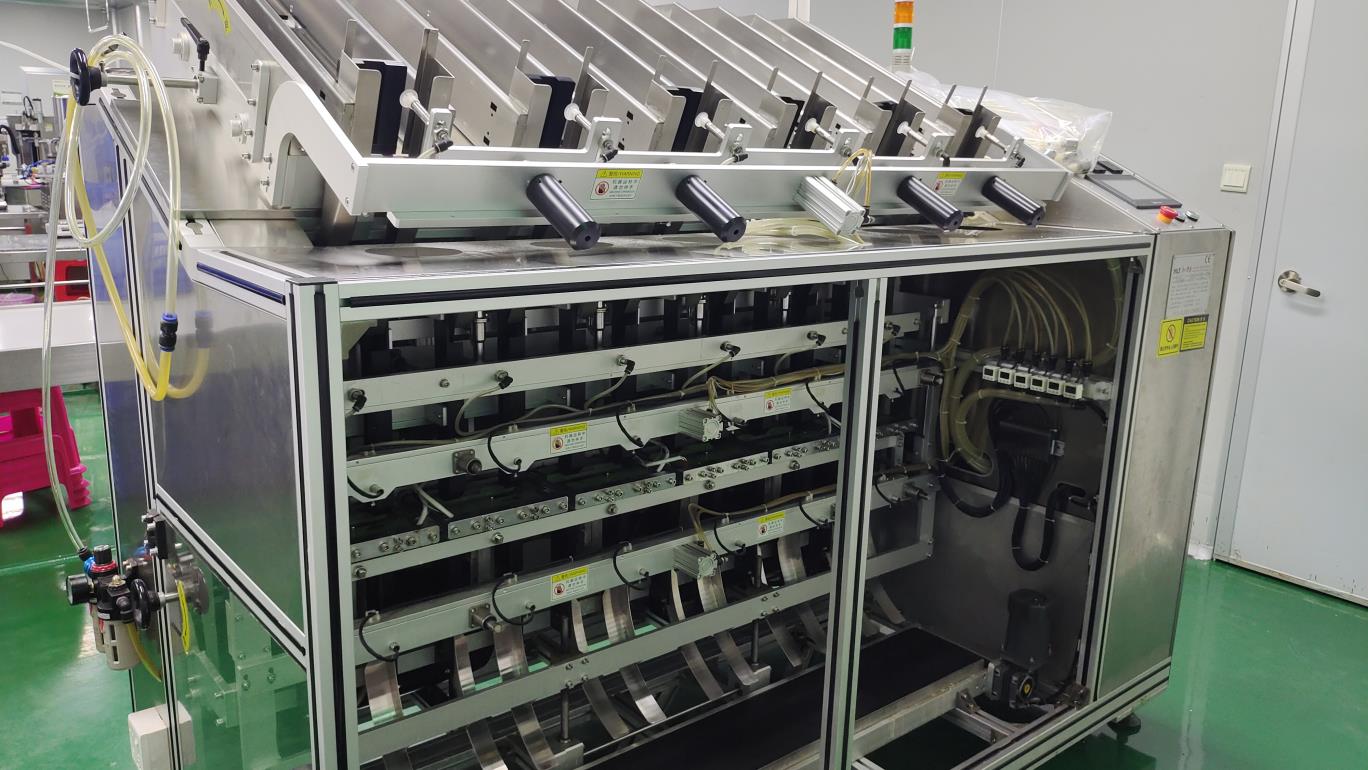
Strategically situated in the Baiyun District, only 10 minutes from Guangzhou Baiyun International Airport, our facilities offer unparalleled accessibility for international audits, quality inspections, and rapid distribution logistics. Operating under strict global compliance protocols, the manufacturing floor features dust-free cleanrooms, advanced water purification systems, and fully automated machinery to prevent any risk of cross-contamination—a critical requirement for active acid formulations like facial peels.
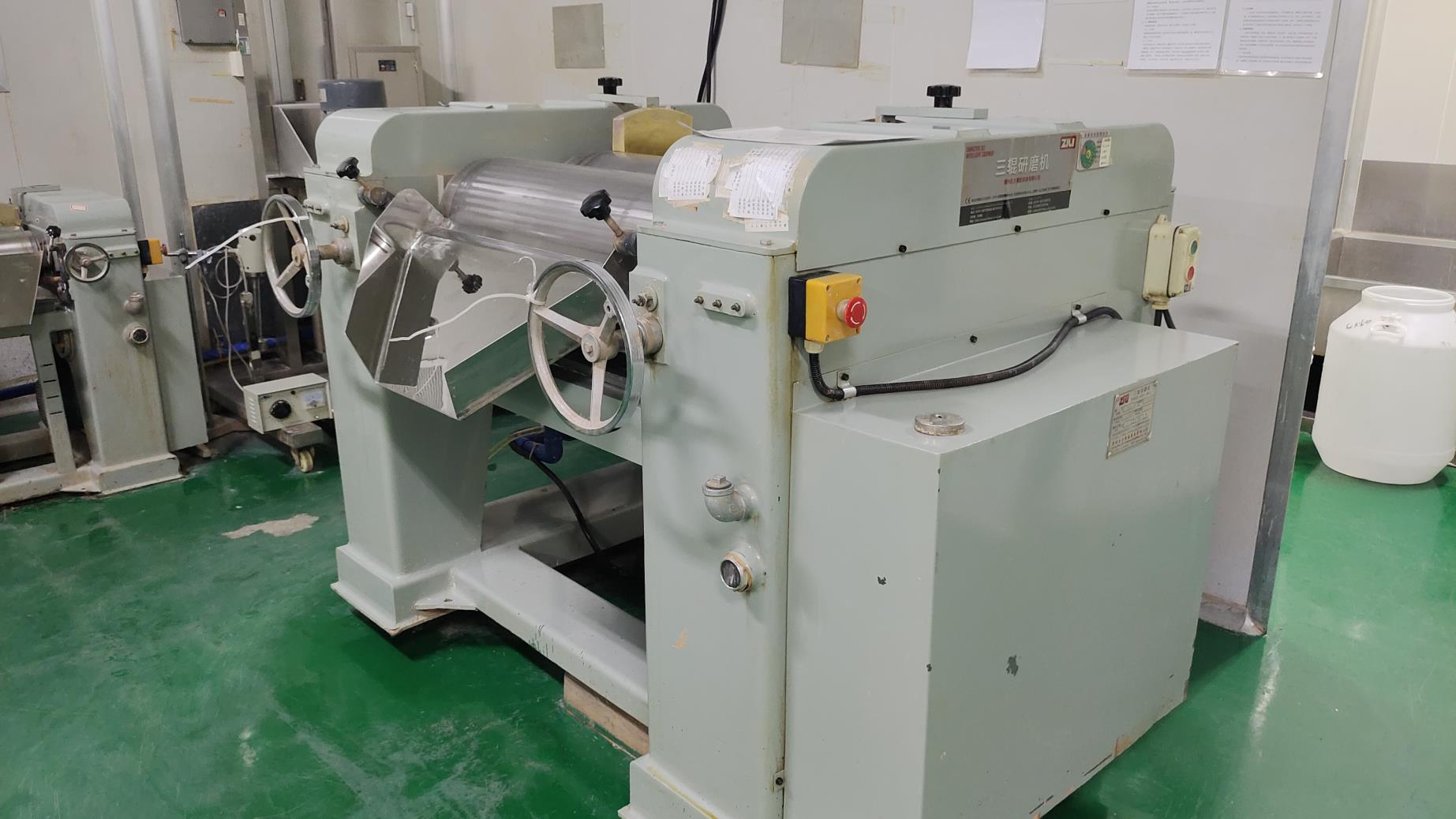
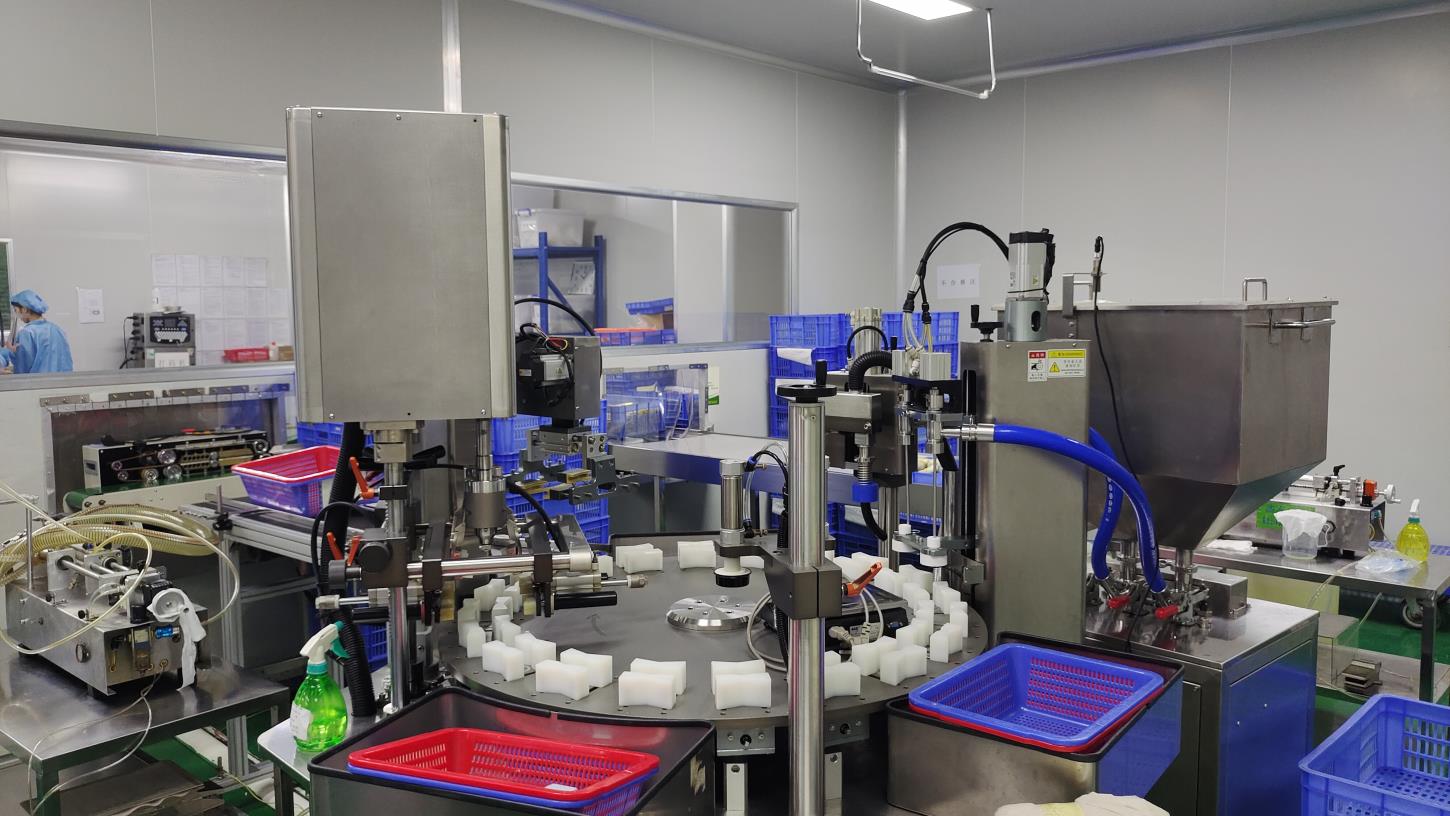
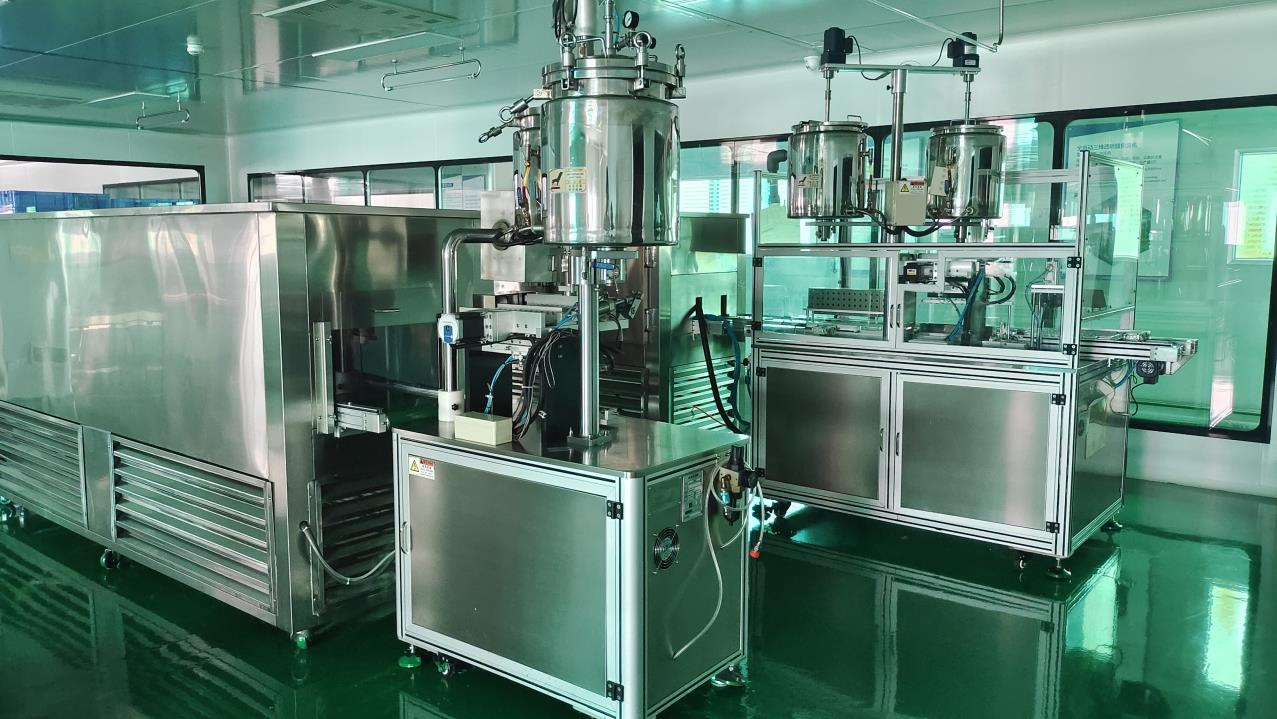
Our commitment to manufacturing excellence is supported by specialized machinery designed for cosmetic emulsification, precision filling, high-efficiency grinding, and sterile packaging. Below is an overview of our state-of-the-art production floor in action:
Navigating FDA, EU Cosmetic Regulation, and Global Standardizations
One of the primary challenges for cosmetic brands scaling their product lines internationally is ensuring regional regulatory compliance. Because facial peels contain active chemical agents, regulatory boards closely monitor their sales channels. Partnering with a knowledgeable OEM/ODM manufacturer guarantees that formulations are adapted to local regulatory limits from day one.
Complies with MoCRA updates requiring rigorous cosmetic listing, safety substantiation, allergen labeling, and GMP compliance. AHA concentrations are calibrated to meet the recommended consumer threshold of ≤10% with a pH ≥3.5.
Complete Cosmetic Product Safety Report (CPSR) compilation. Standardized product labeling with clear usage warnings (such as sunburn alerts) and electronic registration on the CPNP portal.
Formulation adjustment to align with National Medical Products Administration (NMPA) guidelines in China and local ASEAN regulations. Focuses on gentler concentrations paired with calming botanical extracts.
By basing production in Guangzhou, brands benefit from direct access to a mature chemical raw material supply chain. Guangzhou Fmo Beauty Co., Ltd. sources premium raw materials from world-class suppliers, ensuring high purity, trace-metal free formulations, and batch-to-batch stability. Our testing processes include heavy metal assays, microbiological load evaluations, challenge tests (preservative efficacy), and package-compatibility tests to prevent active formulations from degrading container walls.
Staying Ahead with Innovative Formulation Strategies
The chemical exfoliation sector is moving beyond basic single-acid formulations. Brands looking to capture market share must anticipate emerging consumer preferences. Our R&D department continuously tracks global market shifts to provide brands with cutting-edge formulations:
Integrating biological enzymes (like Papain, Bromelain, or Pumpkin Ferments) with traditional AHAs. This combination targets different skin depths, yielding maximum exfoliation with reduced skin irritation.
A growing consumer demand for vegan, cruelty-free, and biodegradable formulas. We specialize in green chemistry, replacing synthetic solvents with plant-derived, renewable alternatives without compromising on stability.
Modern consumers understand that exfoliation must go hand-in-hand with restoration. We formulate multi-acid peels enriched with Ceramides, Hyaluronic Acid, Centella Asiatica, and Panthenol to nourish the skin barrier during peel contact.
From product concept development and sample creation to packaging design, mass production, and global logistics support, our team ensures smooth communication, strict quality management, and efficient project execution. Whether you are launching a professional-grade clinical peel line or a gentle daily chemical toner, we tailor our chemical compositions, packaging styles, and manufacturing volumes to support your brand's growth.
Addressing Crucial Product Development, Technical, and Sourcing Questions
Premium Cosmetic Formulations Ready for Custom Private Label Development