Top 10 Body Lotion Factories & Exporters

The Definitive Whitepaper on Global Skincare Formulation, OEM/ODM Procurement, and Supply Chain Resilience in China 4.0 Smart Manufacturing

1. Executive Summary & The Evolution of Skincare Sourcing

The global body lotion market is undergoing a seismic shift. No longer limited to basic hydration, modern consumer intent has gravitated toward skin barrier health, microbiomic balance, and targeted dermatological solutions. Today's global brands require body lotion manufacturers that can deliver high-performance formulations backed by rigorous scientific proof, ethical sourcing, and cost-effective scalability.

In this whitepaper, we dissect the critical success factors for identifying and partnering with the world's top body lotion factories and exporters. We highlight the emergence of China's Factory 4.0 ecosystem, which combines structural cost efficiency with automated agility, and showcase how global enterprises can achieve information gain and supply chain resilience in a competitive regulatory landscape.

20+
Years Industry Experience
2,000+
Global Brands Served
40+
Countries Exported to
GMPC
Certified Facilities

2. Global Procurement Trends: The Shift Toward Ingredient Transparency & Functionality

As body care transitions into "skinification" (treating body skin with the same level of active ingredients as facial skin), procurement directors are facing evolving demands. Sourcing teams from North America, the EU, and the Middle East are shifting their strategies:

Active-Driven Formulations

Buyers are actively searching for body lotions containing Ceramide NP, Hyaluronic Acid, Niacinamide, Retinol, and Alpha Hydroxy Acids (AHAs). Manufacturers must possess the technical capacity to stabilize these active ingredients within oil-in-water (O/W) and water-in-oil (W/O) emulsions.

Clean Beauty & Compliance

Global regulatory compliance (FDA, EU Cosmetics Regulation 1223/2009, and ASEAN Cosmetics Directive) has become non-negotiable. Top exporters must prove their raw materials are cruelty-free, vegan-certified, and free from microplastics, parabens, and synthetic phthalates.

Furthermore, B2B buyers look for advanced texture-engineering capabilities, such as quick-absorbing, non-greasy, and breathable barrier formulas that appeal to diverse consumer demographics across varying climatic conditions.

3. China Factory 4.0: Supply Chain Resilience & Efficiency Advantages

In the current geopolitical and macroeconomic climate, supply chain agility is a critical differentiator. Chinese beauty manufacturing clusters, specifically in the Guangzhou Baiyun District, have matured into highly integrated Factory 4.0 ecosystems.

Guangzhou Fmo Beauty Co., Ltd. stands at the forefront of this industrial integration. Located just 10 minutes from Guangzhou Baiyun International Airport, our facilities offer rapid transit, dynamic lead times, and structural integration with Asia’s largest raw-material and packaging supply hubs.

This geographical and technological consolidation offers three major structural advantages:

  • High-Speed R&D Turnaround: Ability to customize formulas, create physical samples, and complete stability tests in a fraction of the time compared to Western counterparties.
  • Advanced Automation: The utilization of automated emulsification pots, high-speed volumetric filling lines, and real-time vision-based quality control minimizes human error and reduces marginal production costs.
  • Elastic Production Capacities: The agility to scale batches from pilot-run MOQ (Minimum Order Quantity) for market validation to high-volume output of millions of units for mass market rollout.

4. State-of-the-Art Production Processes & High-End Infrastructure

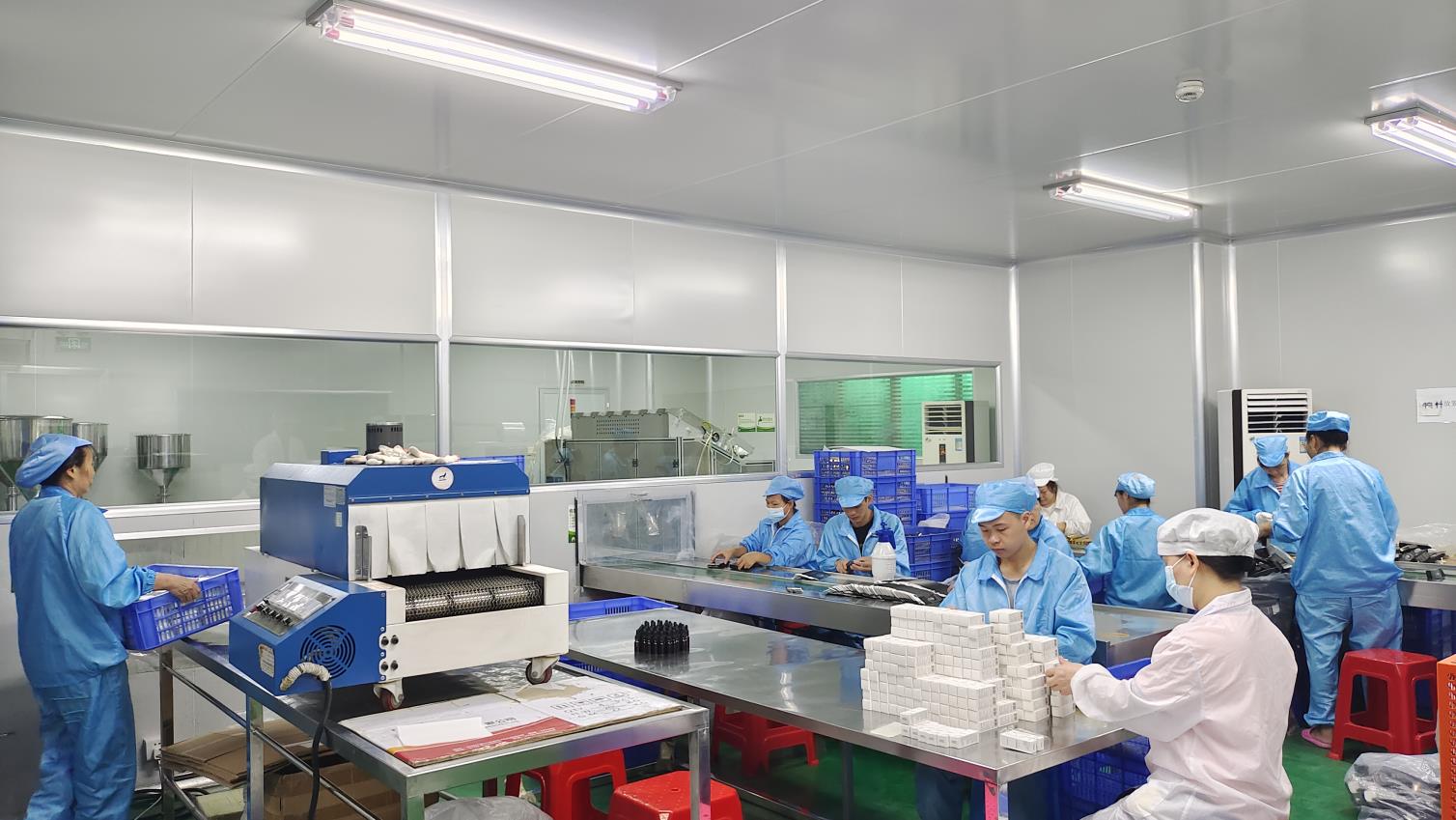
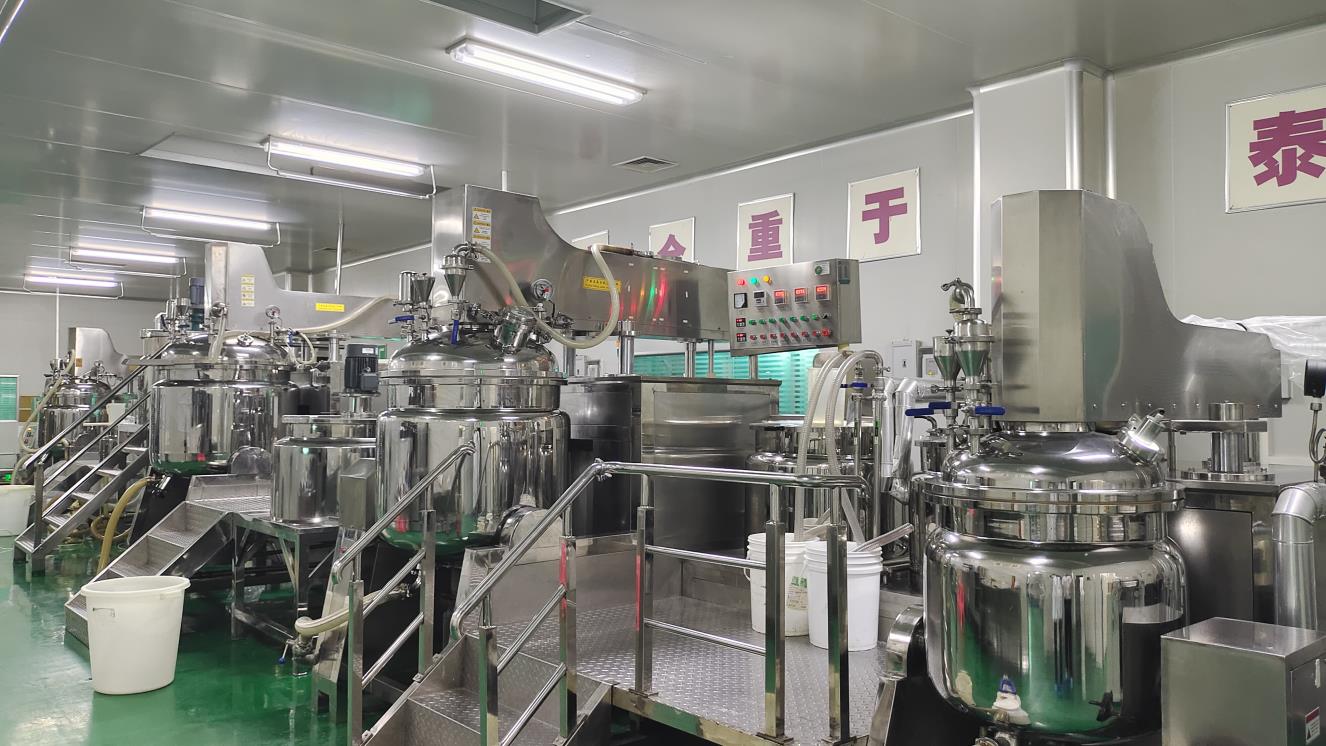
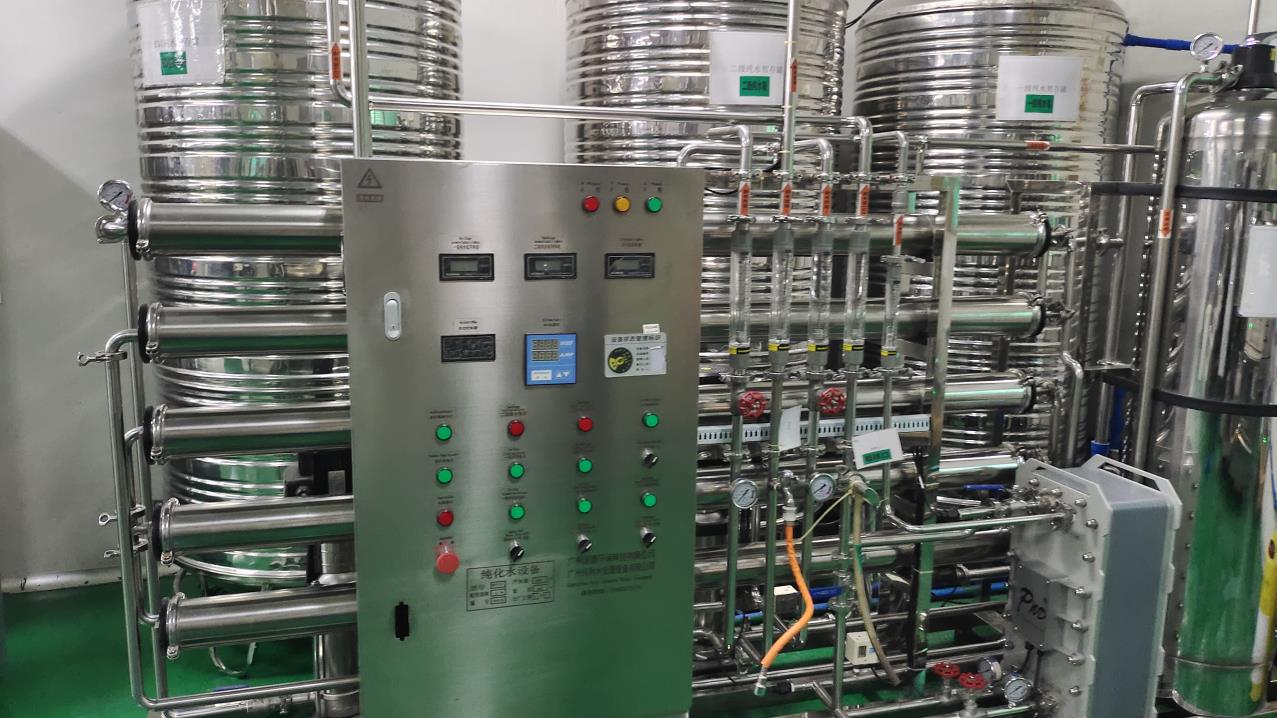
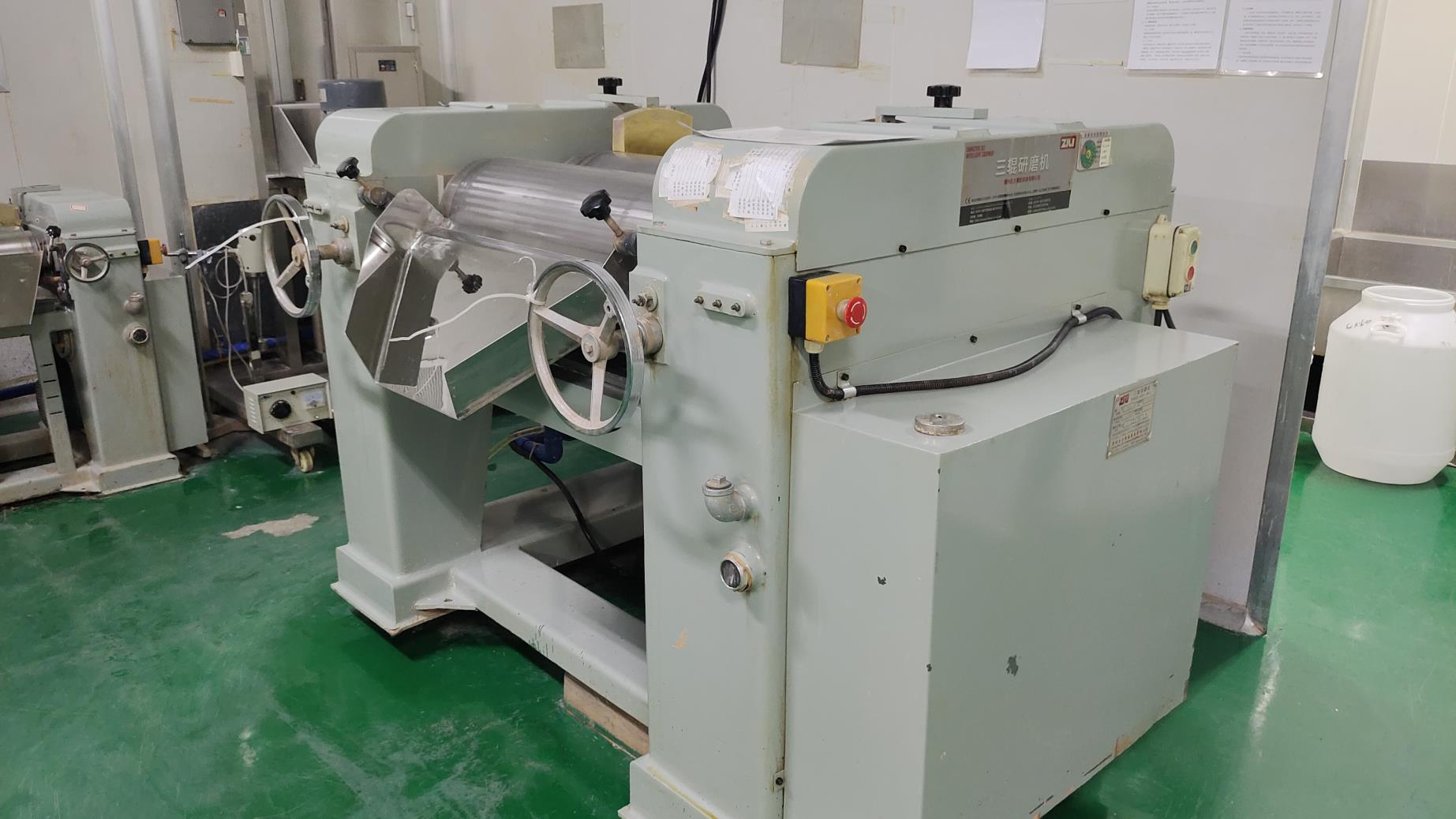
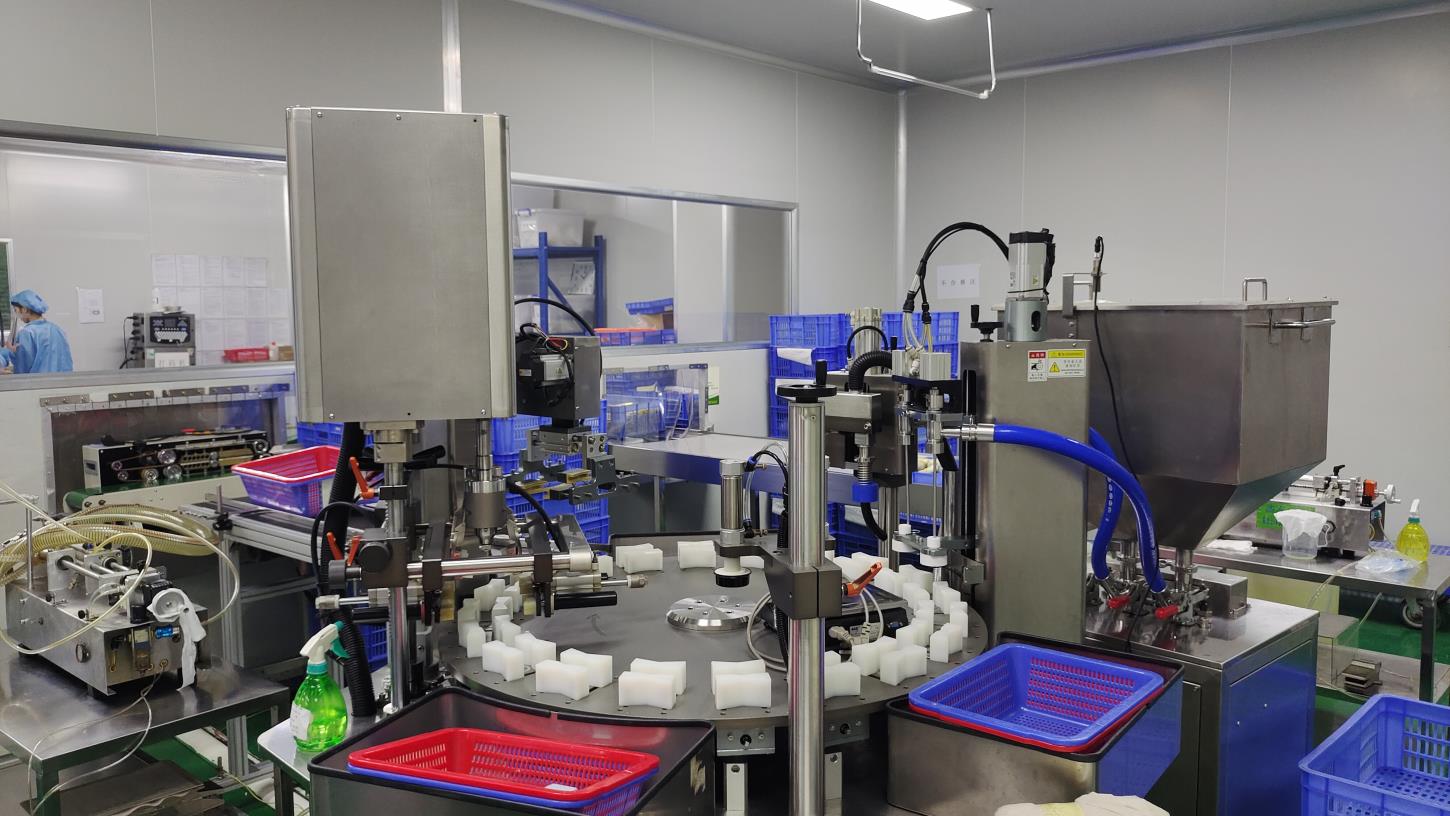
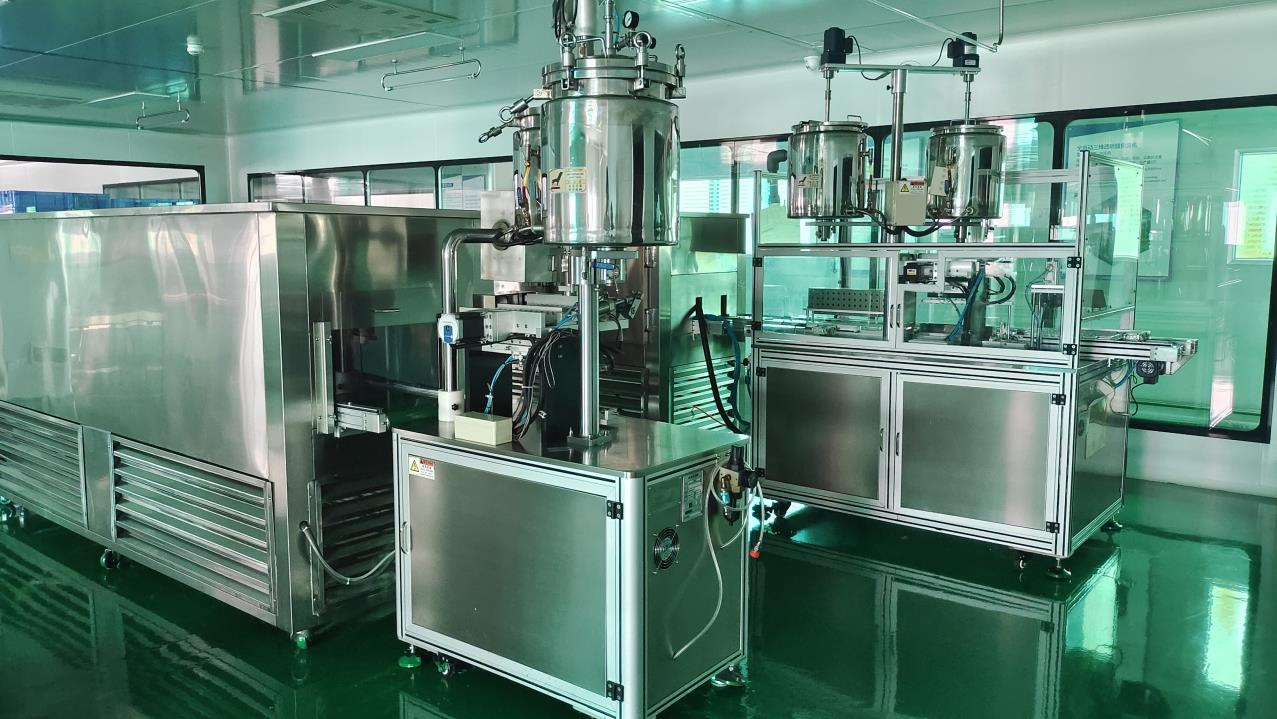
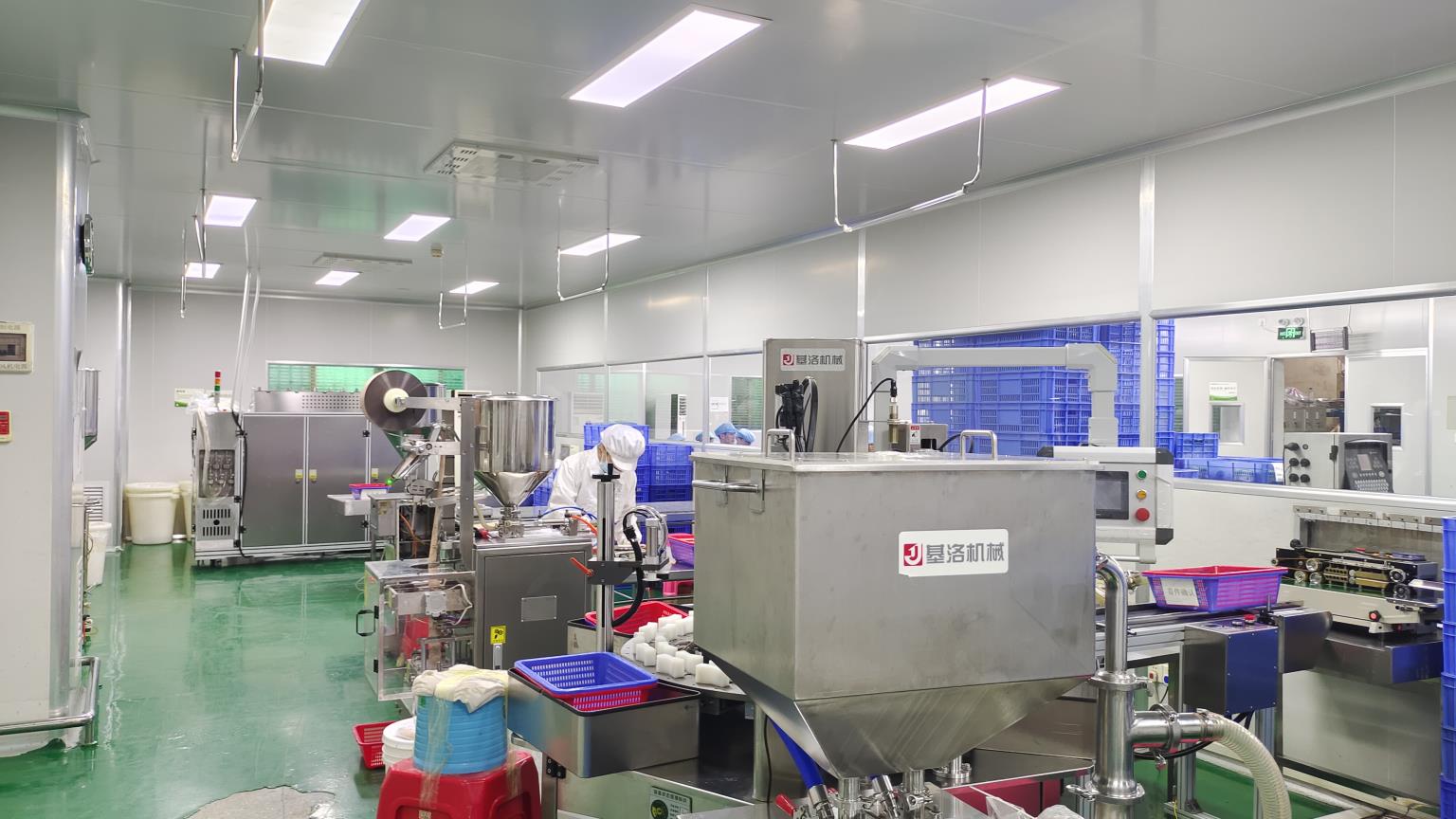
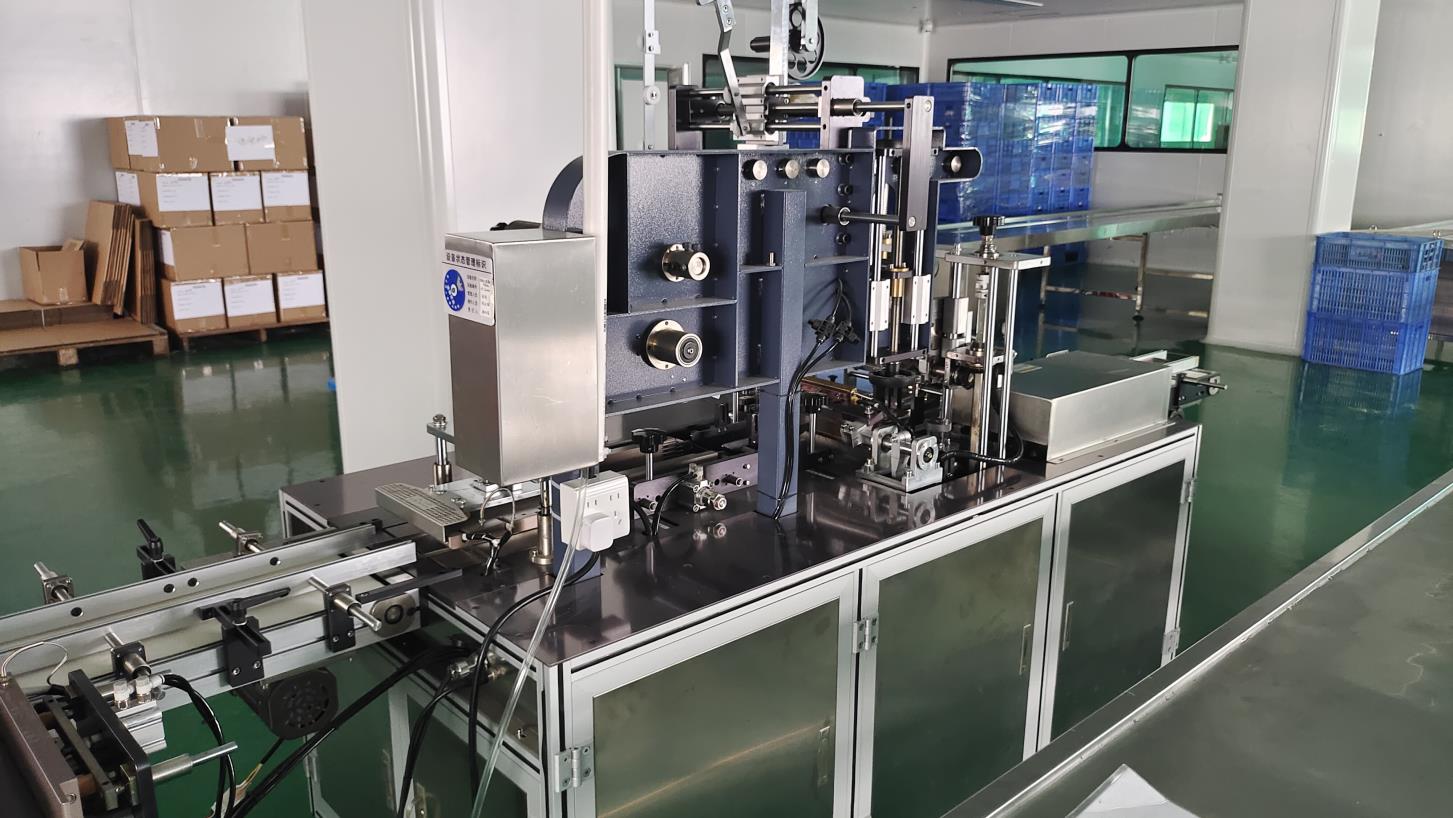
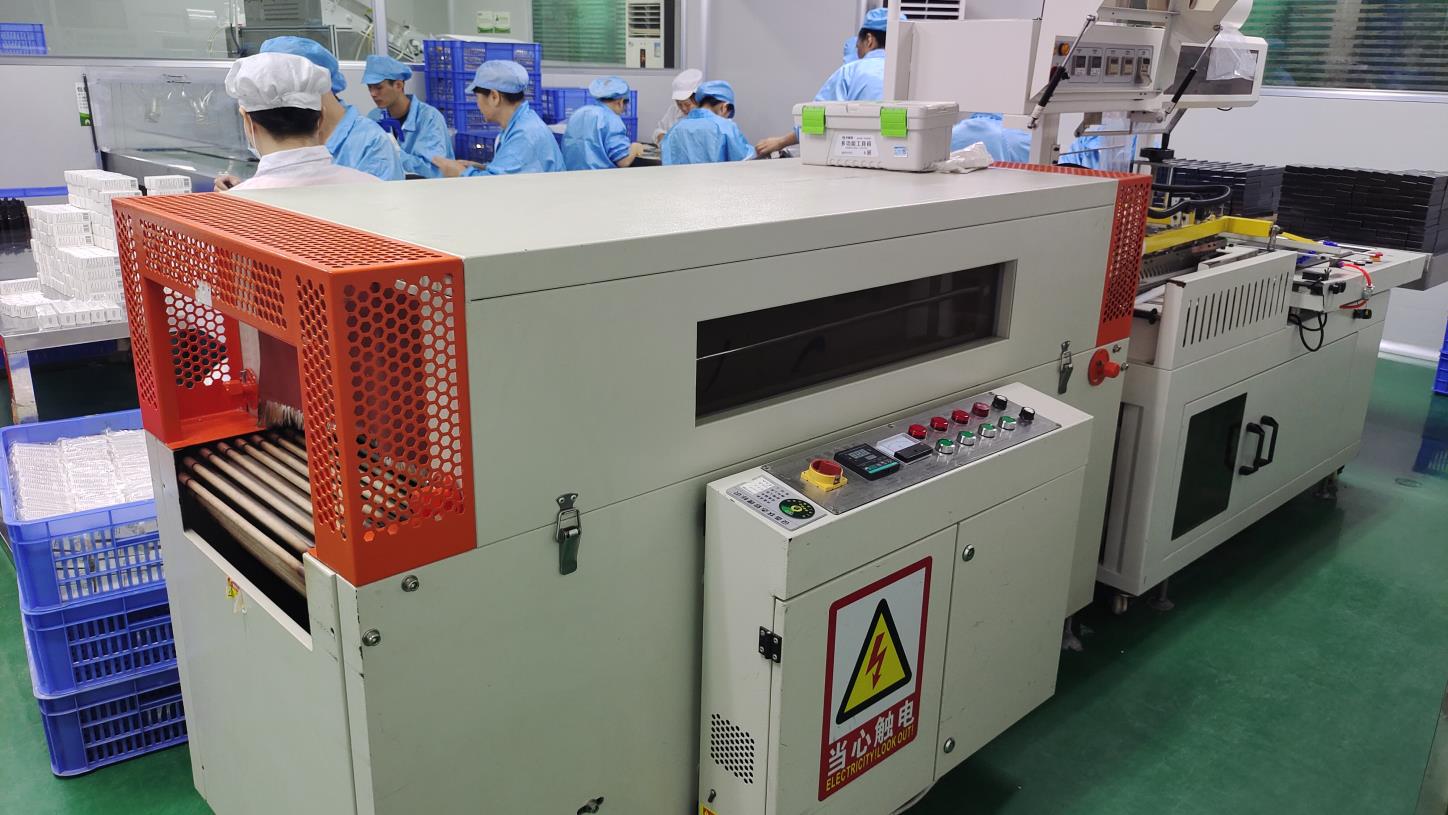
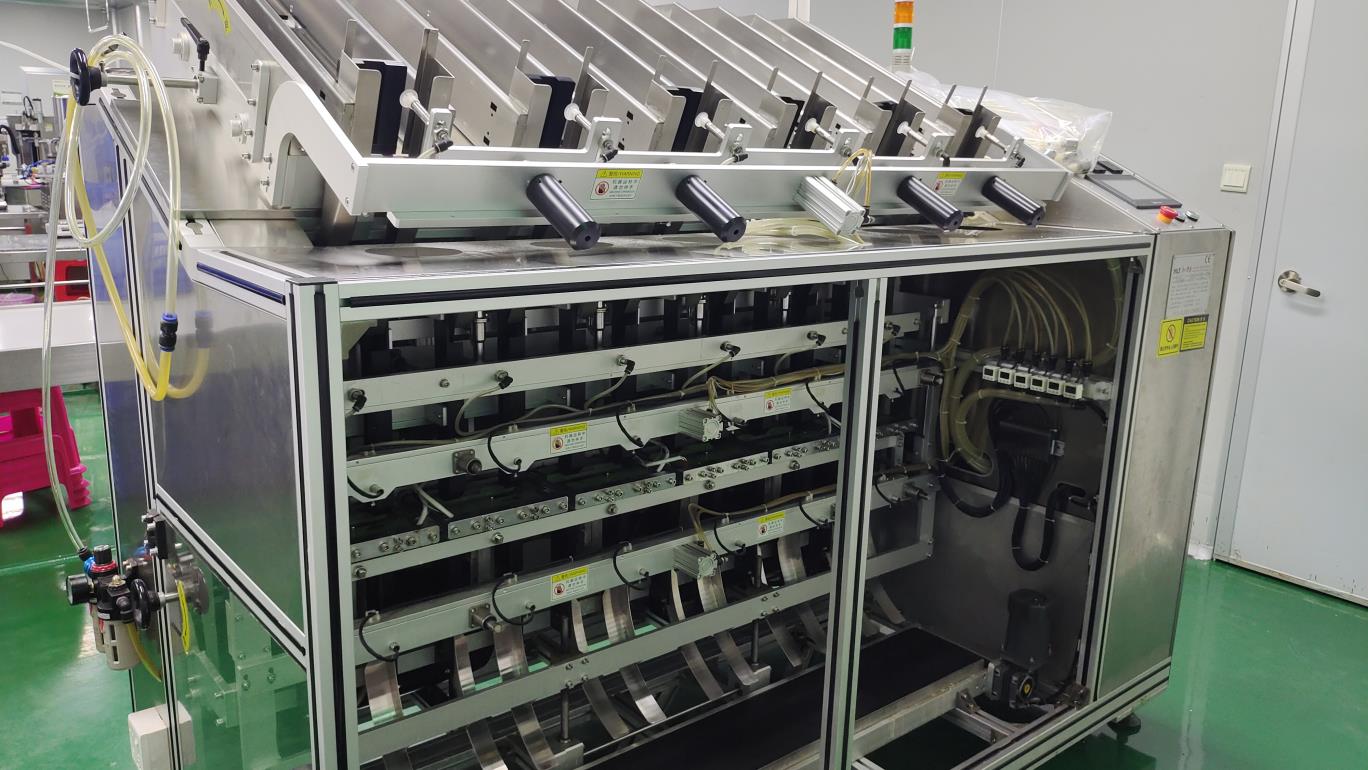
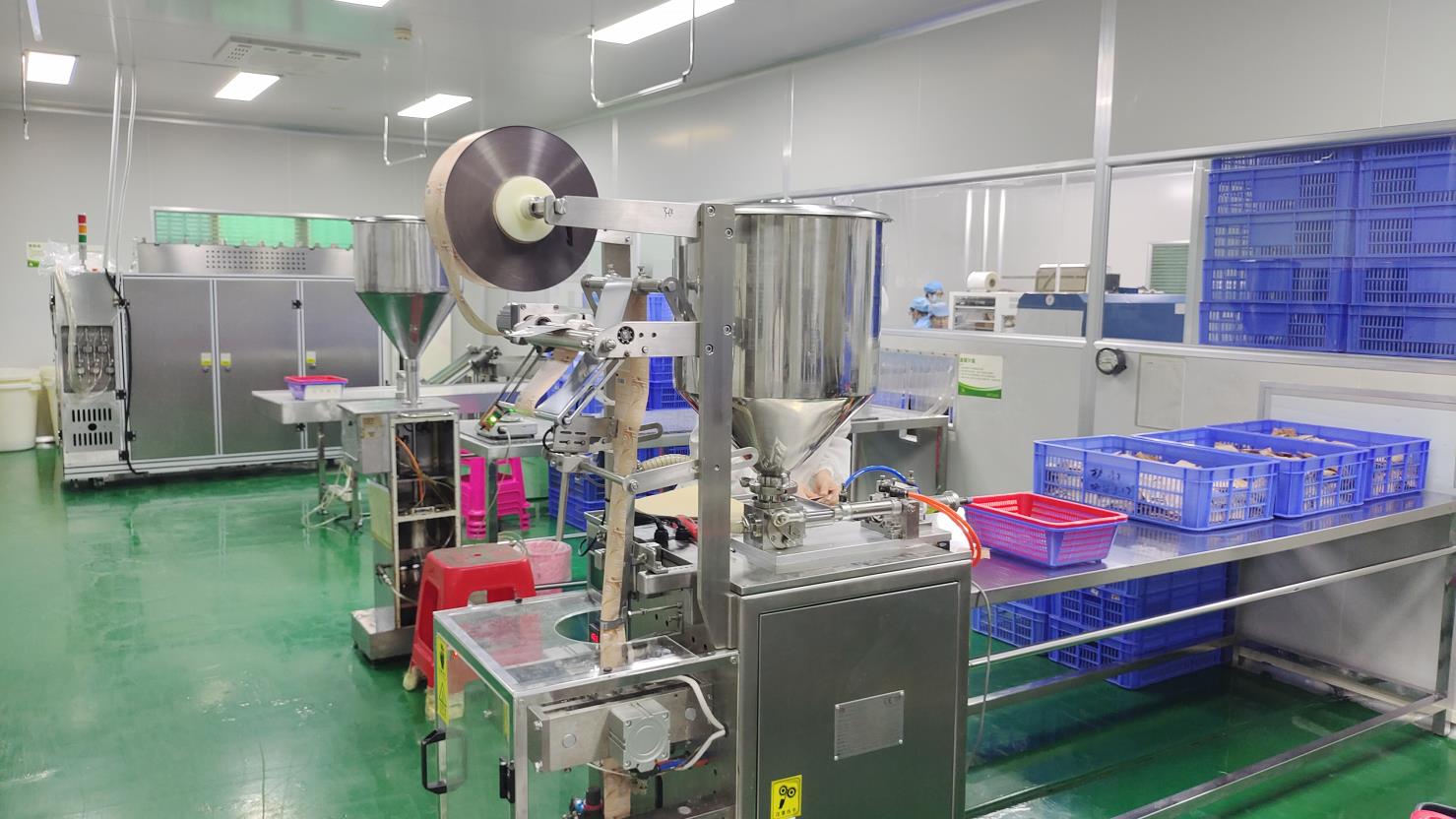
At Guangzhou Fmo Beauty Co., Ltd., we combine scientific precision with heavy-duty cosmetic processing equipment. Below is a detailed view of our operational infrastructure, highlighting our key manufacturing capabilities including precision Emulsification, specialized Pot networks, high-output Filling, and automated Packaging systems.
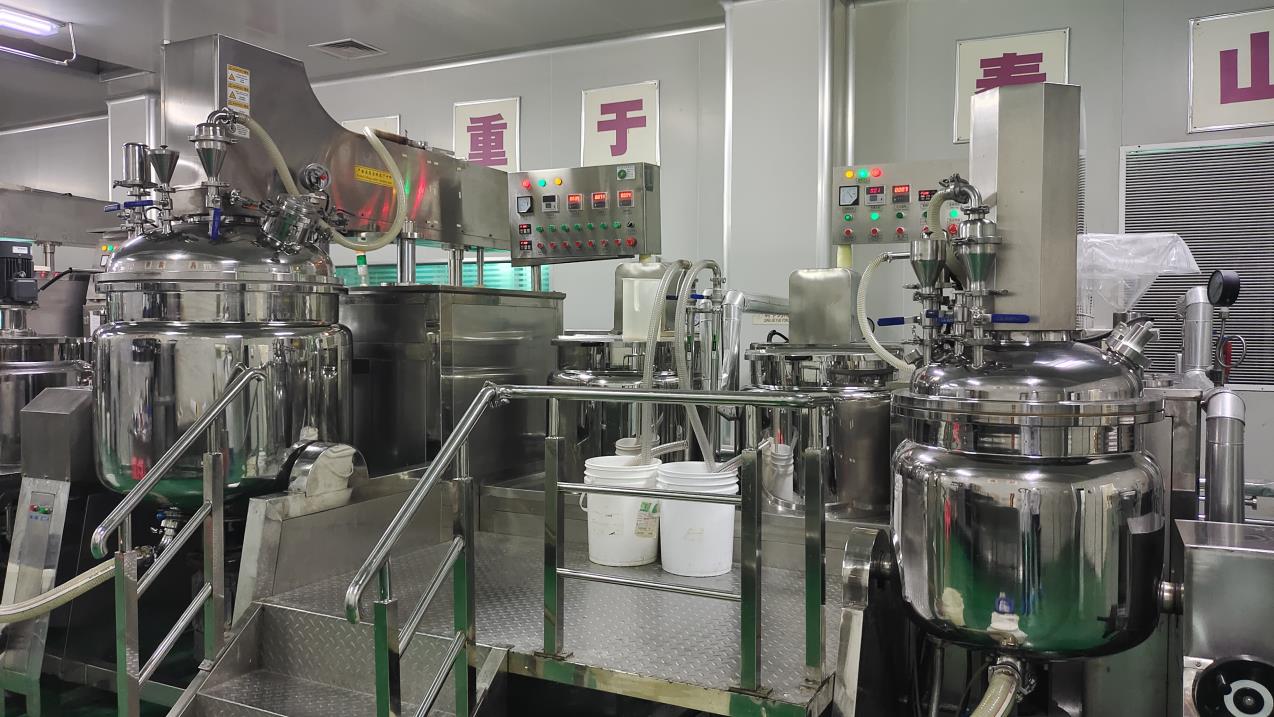
Emulsification process
Emulsification Process
Filling process
Filling Process
Packaging process
Packaging Department
Emulsification Pot
Emulsification Pot
Water purification processor
Water Purification Processor
Grinding machine
Grinding Machine
Filling and capping machine
Filling and Capping Machine
Automatic filling machine
Automatic Filling Machine
Semi-automatic filling machine
Semi-Automatic Filling Machine
Automatic packaging machine
Automatic Packaging Machine
Heat shrink film packaging machine
Heat Shrink Film Packaging Machine
Facial mask filling machine
Facial Mask Filling Machine

5. Quality Benchmarks for Selecting Top 10 Body Lotion Exporters

When evaluating international factories for private label body lotion manufacturing, industry professionals rely on a structured, multi-dimensional verification framework to secure high-quality partners:

1

Certifications

Look for ISO 22716 (GMP for Cosmetics) and GMPC certifications. These guarantee international safety standards across production stages.

2

R&D Strength

Evaluate the presence of internal labs and the capacity to run microbiological, stability, and compatibility tests in-house.

3

Raw Materials

Verify agreements with global chemical suppliers (BASF, Croda, DSM, etc.) to ensure raw material consistency and purity.

4

Logistics Support

Robust export infrastructure and proximity to major shipping hubs reduce delivery timelines and customs complexities.

6. Localized Application Scenarios: Formulating for Global Microclimates

Consumer skin characteristics and sensory preferences differ significantly depending on the regional climate. An optimized body lotion portfolio must contain highly differentiated formulas engineered for specific geographic markets:

Tropical & Humid Climates (e.g., Southeast Asia, Brazil)

In hot and humid regions, heavy occlusive lipids are rejected by consumers. Formulations should utilize high humectant-to-emollient ratios, leveraging lightweight water-gel textures, Hyaluronic Acid, and volatile silicones or natural esters that leave a dry, matte, or velvety finish.

Arid & Desert Landscapes (e.g., Middle East)

Extremely dry air causes high Transepidermal Water Loss (TEWL). Lotions developed for these regions require structured shear-thinning emulsions with robust occlusive properties, combining Shea Butter, Ceramides, and Squalane to lock in hydration without feeling suffocating.

Cold & Temperate Zones (e.g., Northern Europe, North America)

Winter seasons compromise the lipid barrier, leading to itching and redness. Formulations must prioritize nourishing, thick structures that incorporate barrier-repairing lipids and soothing agents like Colloidal Oatmeal, Panthenol, and Allantoin.

Sensitive & Eczema-Prone Profiles (Global Clean Beauty Trend)

With the rise of dermatological beauty, hypoallergenic, fragrance-free, and microbiome-friendly (prebiotic and probiotic ferment) lotions are in high demand across all metropolitan demographics globally.
7. Frequently Asked Questions: B2B Sourcing Demystified

Q: What is the typical Minimum Order Quantity (MOQ) for private label body lotion manufacturing?
A: MoQs typically depend on packaging raw material sourcing. For standard formulations with stock packaging, MOQ starts around 5,000 units. For fully customized formulas, unique packaging molds, or custom silk-screen decoration, the MOQ generally ranges between 10,000 to 20,000 units.
Q: How do Chinese factories ensure compliance with European Union (EC 1223/2009) and US FDA regulations?
A: Leading exporters like Guangzhou Fmo Beauty Co., Ltd. maintain cleanroom standards conforming to GMPC and ISO 22716. Every batch undergoes physical, chemical, and microbiological testing. Furthermore, raw materials are sourced from global suppliers who provide comprehensive MSDS, COA, and safety dossiers compatible with EU and US cosmetic compliance requirements.
Q: Can the factory customize the viscosity, sensory feel, and fragrance profile of the lotion?
A: Yes. Advanced R&D laboratories can modify rheological behavior (viscosity, yield stress, spreadability) of emulsions. Clients can specify texture preference (from light milk-like sprays to dense body butter) and request customized scent profiling using synthetic fragrance oils or natural, allergen-free essential oil blends.
Q: What are the lead times for custom formulation development and mass production?
A: R&D and custom sample formulation typically take 3 to 7 working days. Once the formulation is approved and packaging designs are finalized, mass production and filling are completed within 25 to 35 days, depending on packaging material delivery schedules.
Q: How does high-performance emulsification impact the stability of active-ingredient body lotions?
A: High shear homogenization is critical for decreasing droplet size in emulsions. Minimizing the droplet size ensures long-term physical stability, preventing phase separation (creaming or coalescence) over time, and optimizing the bioavailability of active skincare ingredients on the skin barrier.