Fmo Beauty
Fmo Beauty
Fmo Beauty
Explore our highly-acclaimed custom cosmetics and active personal care line items optimized for global brands.
The global foot care market has witnessed an unprecedented transition over the last decade. Once categorized as a low-engagement niche sub-segment of personal hygiene, therapeutic foot creams have ascended to a high-priority dermal category. Industry intelligence forecasts the global foot care market to exceed USD 5.8 billion by 2030, exhibiting a compound annual growth rate (CAGR) of over 6.2%.
This macro expansion is driven by a convergence of demographic shifts and evolution in consumer behavior. An aging global population, rising prevalence of diabetic complications necessitating strict foot dermatological care, and the mainstream adoption of active lifestyle habits have collectively accelerated the demand for high-efficacy, medical-grade, and clinical cosmetic foot creams. B2B sourcing agents are no longer just procuring basic moisturizers; they are targeting advanced bio-active emulsifications capable of delivering quantifiable results for severe dryness, cracked heels, anhidrosis, and microbial protection.
To successfully navigate the selection of the *Top 10 Foot Cream Manufacturer & Factories*, procurement managers must perform rigorous User Intent Mining. Corporate buyers usually balance three distinct pillars of intent:
A professional-grade foot cream factory must possess advanced technological expertise in emulsion stabilization. Because foot care products often integrate high concentrations of electrolytes (e.g., urea, sodium lactate) and acidic exfoliants (e.g., salicylic acid, glycolic acid), standard cosmetic emulsion frameworks will easily break down, resulting in phase separation, crystallization, or liquefaction over time.
Precise dosing of Urea (10%-40%) to systematically dissolve intercellular matrices of dead cells. Factories must use high-vacuum emulsification reactors to prevent urea recrystallization during cooling cycles.
Utilizing liquid crystal emulsions and liposomal micro-encapsulation techniques to drive active botanical ingredients and lipid humectants deep into the thickened stratum corneum of the heel.
Inclusion of synergistic natural antimicrobials (such as Melaleuca Alternifolia oil, Eucalyptus globulus, silver citrate, and probiotics) to manage foot odor and prevent opportunistic fungal outbreaks.
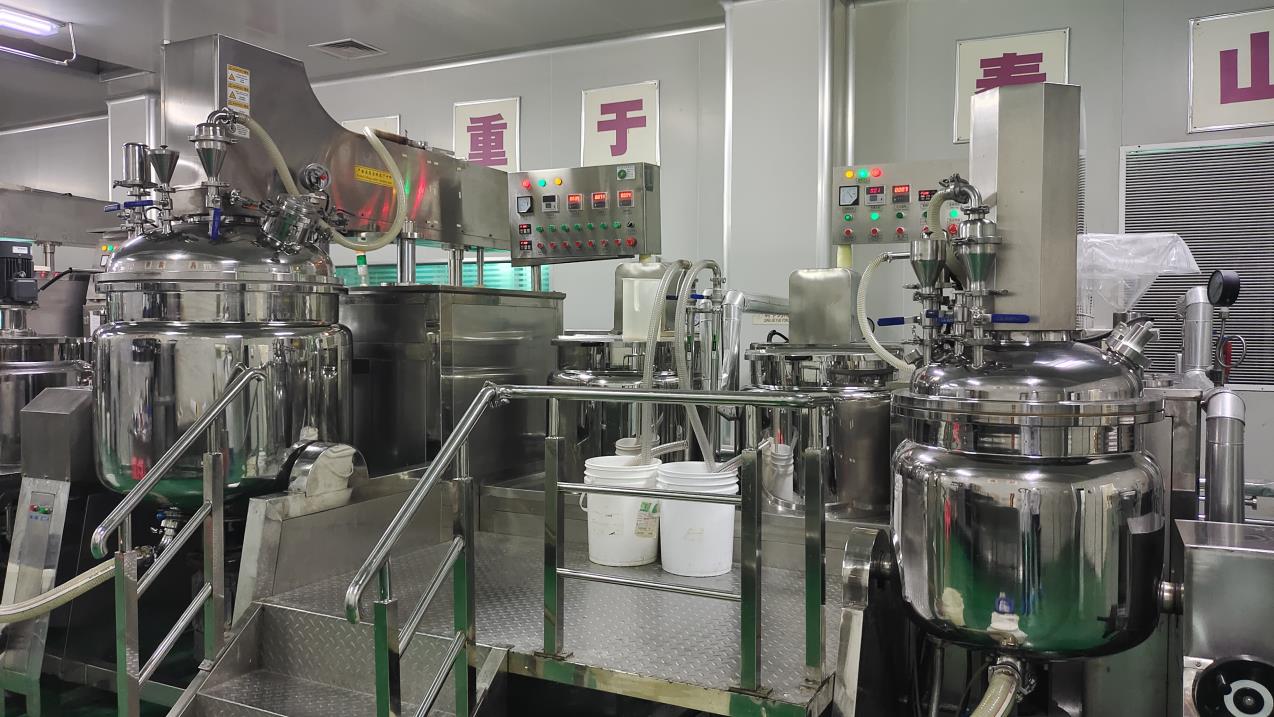
The stabilization of these elements requires cutting-edge equipment. Advanced factories deploy multiphase vacuum homogenizers that control blade speed, shear rates, and heating-cooling ramps within fractional tolerances. This ensures the delivery of a smooth, non-greasy, and thermodynamically stable cream suitable for harsh storage environments globally.
When searching for the leading ten foot cream factories worldwide, brands must evaluate technical and infrastructural capacity. The global landscape of premium cosmetic contract manufacturing highlights a few elite regions and facilities:
To ensure high information gain, B2B buyers should request documented proof of a factory’s internal quality control procedures, stability chamber data (retaining samples at 4°C, 25°C, 40°C, and 45°C for at least 90 days), and microbiological challenge tests (USP <51> or equivalent) to certify formulation safety prior to shipping.
Strategic Turnkey Manufacturing Partner with 20 Years of Global Cosmetic Expertise
Guangzhou Fmo Beauty Co., Ltd. is a professional OEM & ODM cosmetics manufacturer located in Guangzhou, China, with nearly 20 years of experience in the beauty industry. We specialize in the development, production, and customization of high-quality makeup and skincare products, providing one-stop private label solutions for beauty brands worldwide.
Our factory is strategically located in Baiyun District, only 10 minutes from Guangzhou Baiyun International Airport, and operates under strict international quality standards. Equipped with advanced production lines, professional laboratories, and modern testing facilities, we are committed to delivering safe, innovative, and market-driven cosmetic products. Backed by an experienced R&D team, we continuously develop trend-inspired formulas and offer customized formulations, shades, packaging, and branding solutions to help customers create unique products that stand out in the market.
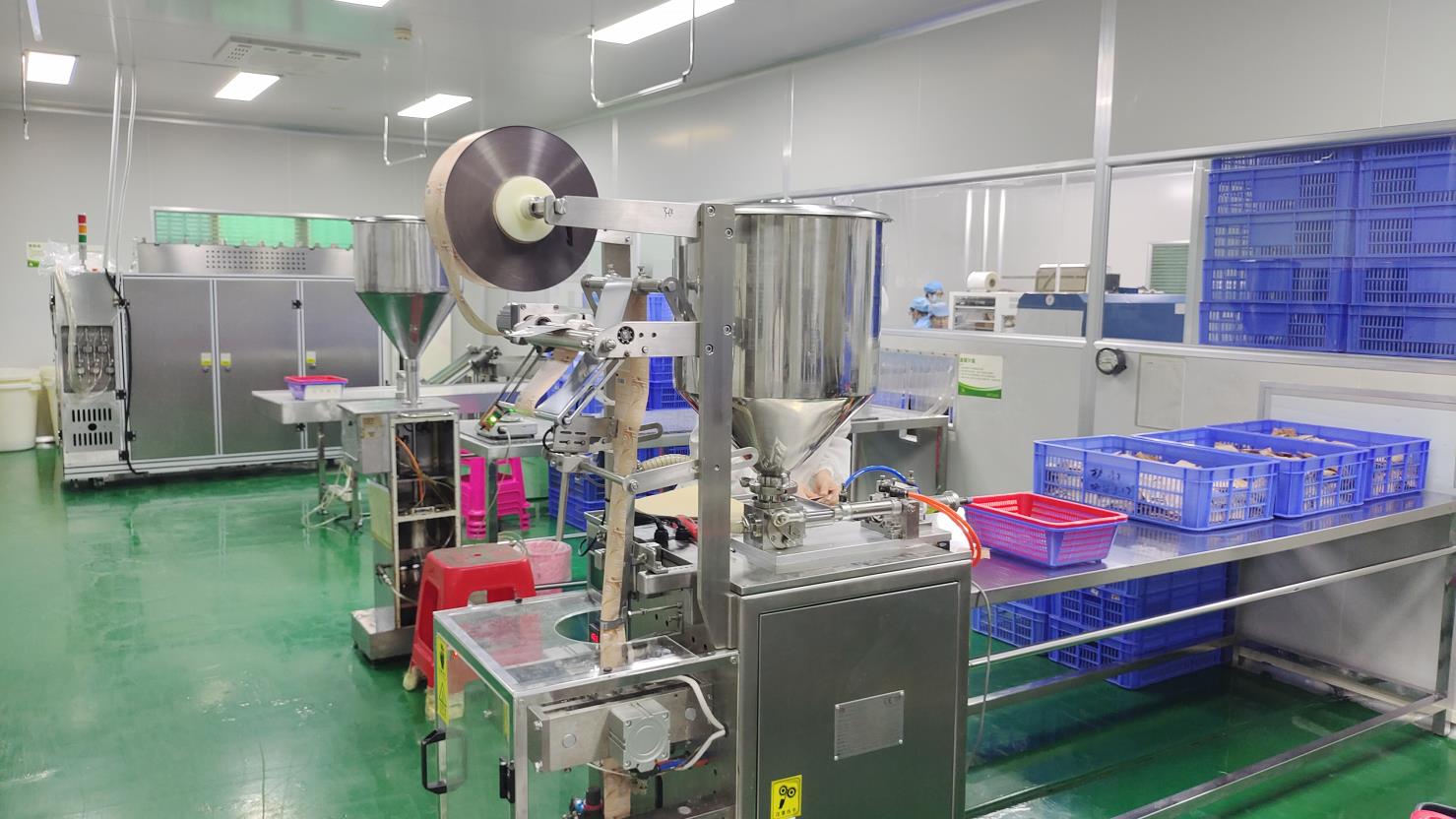
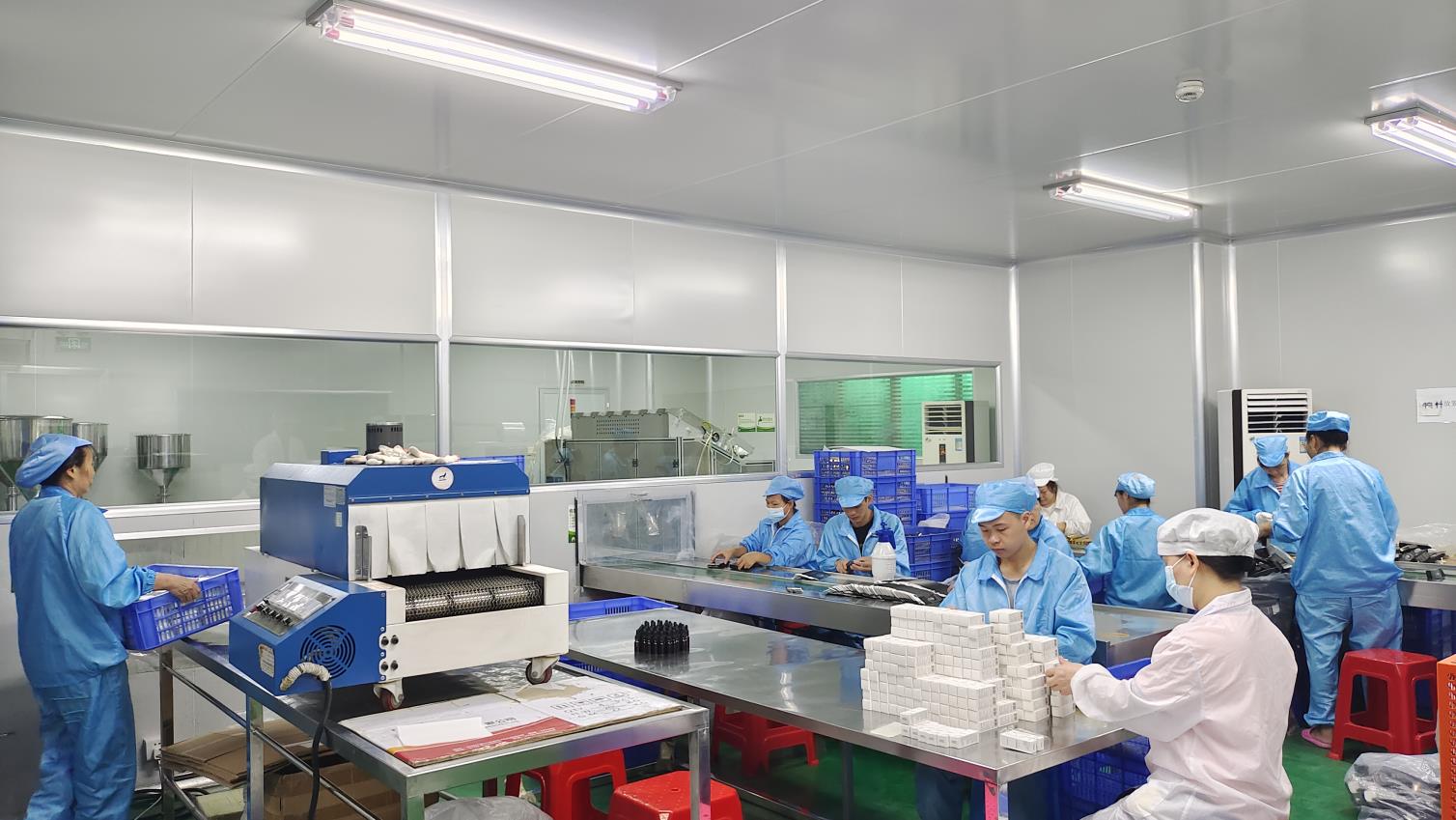
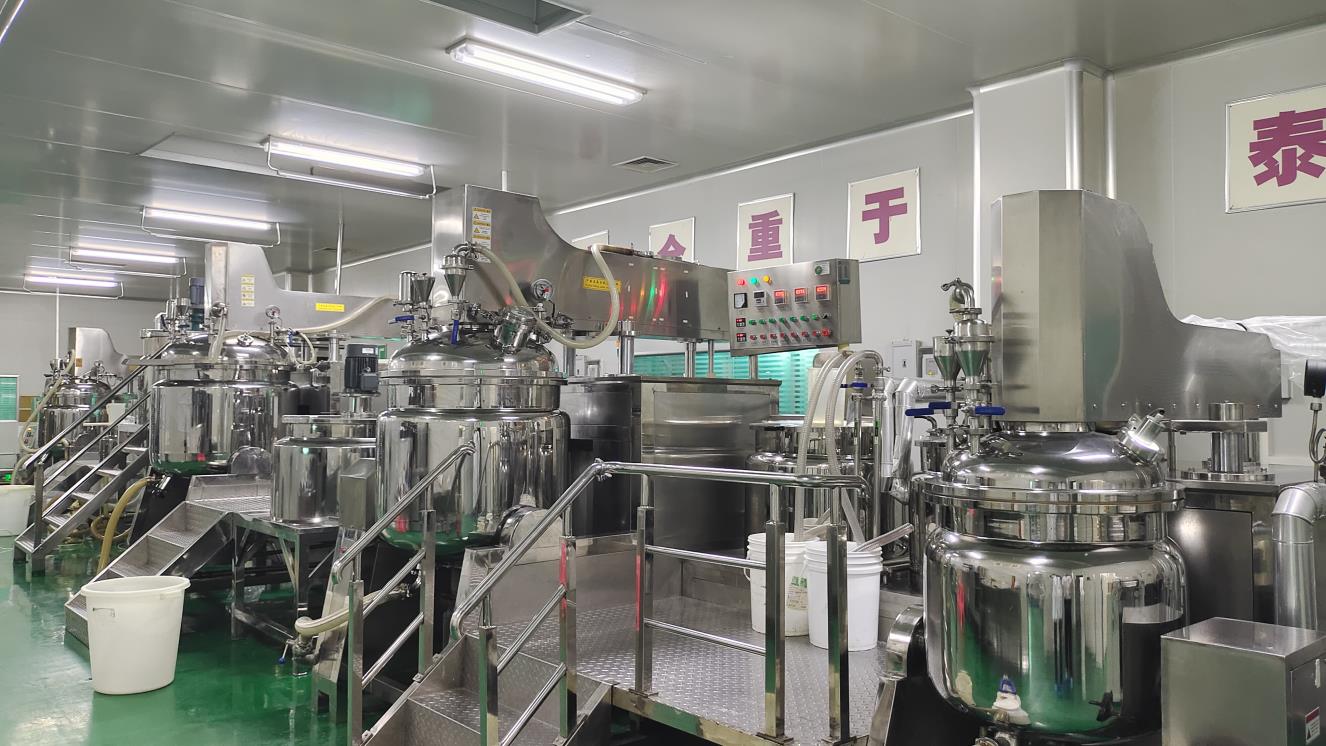

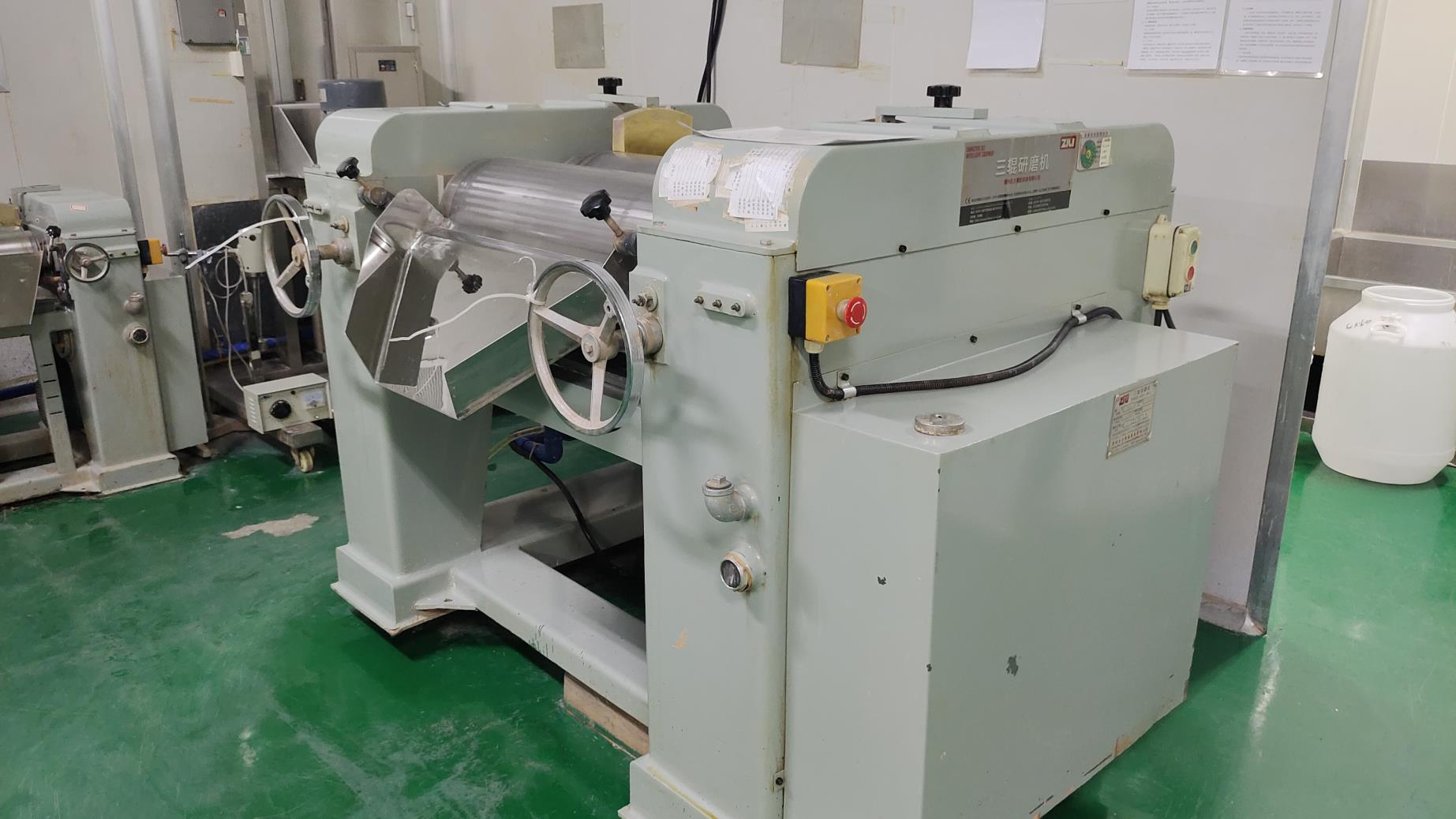
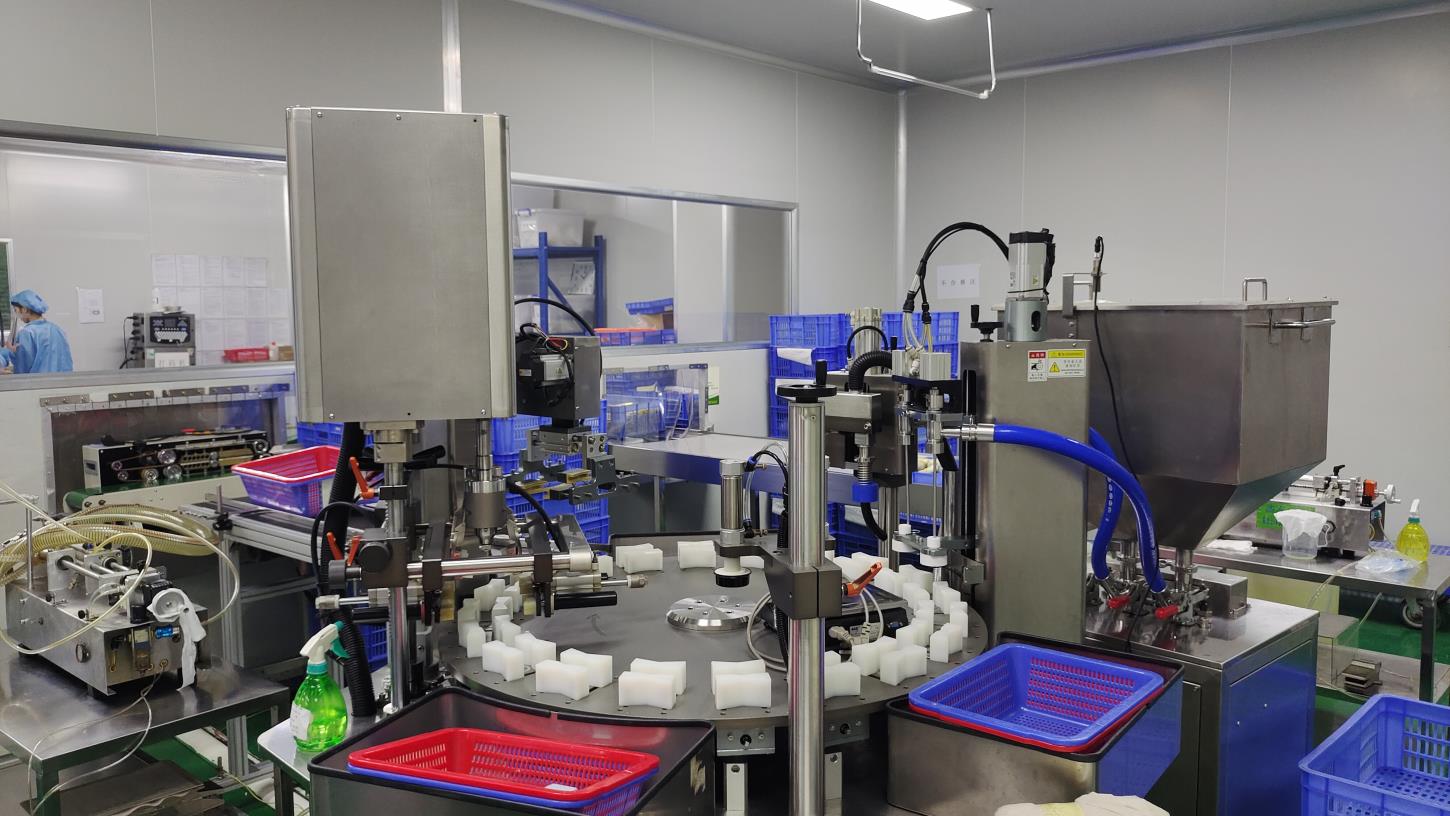
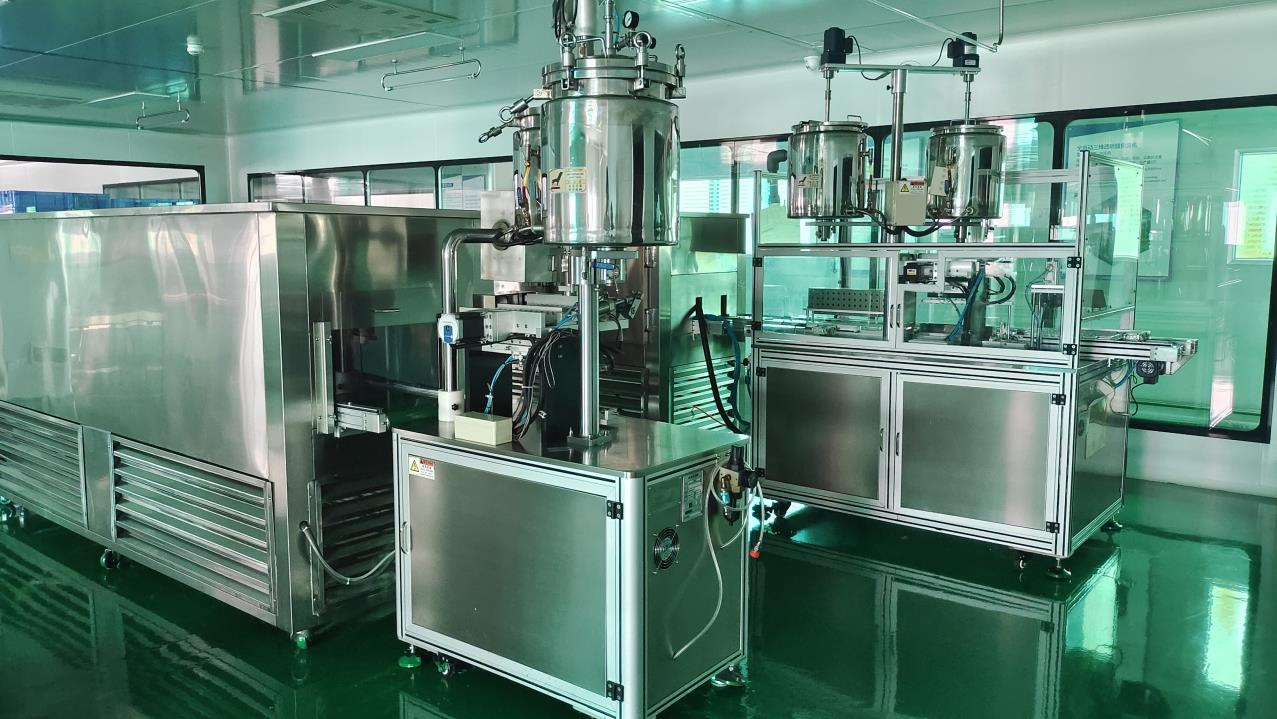
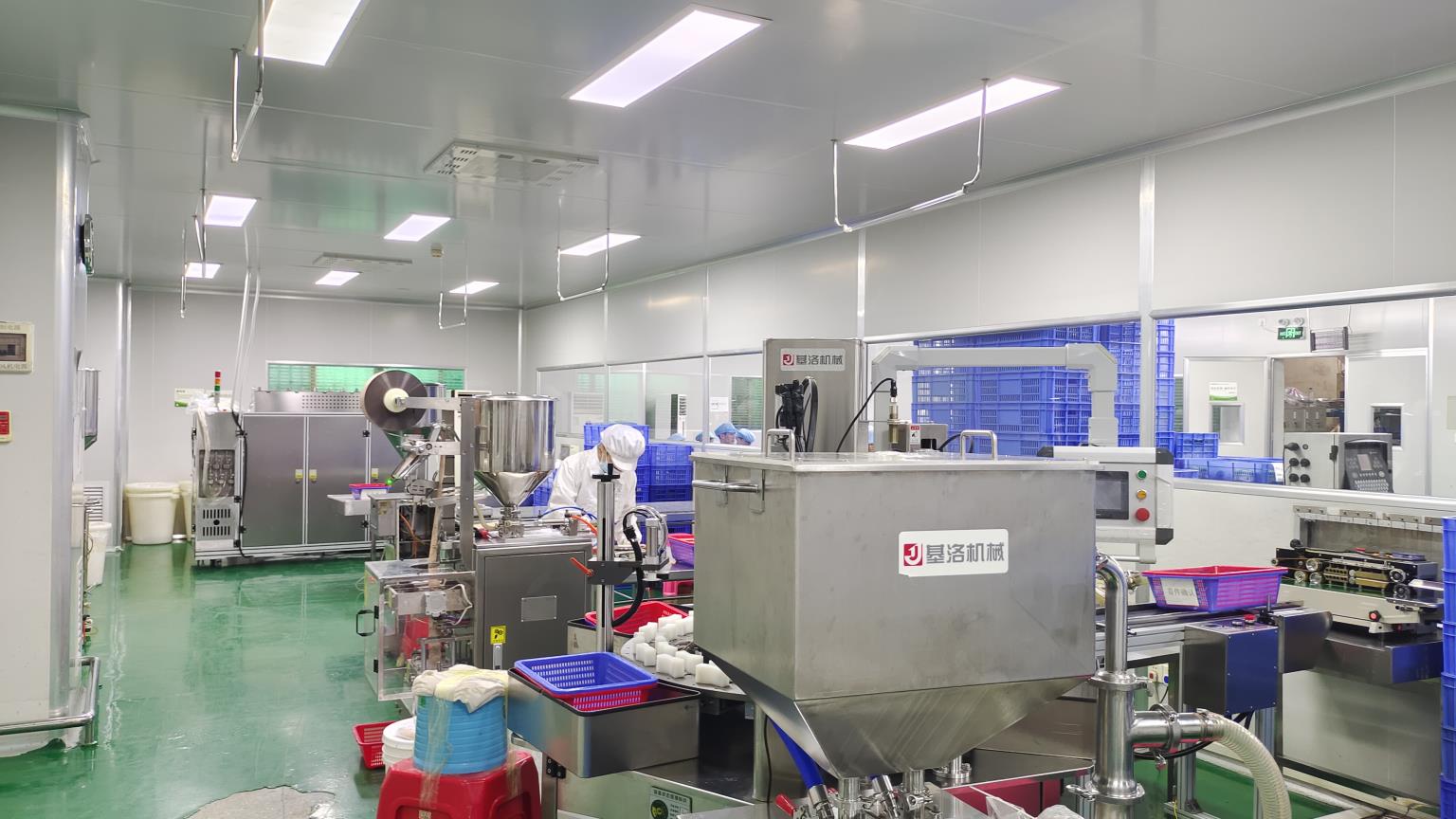
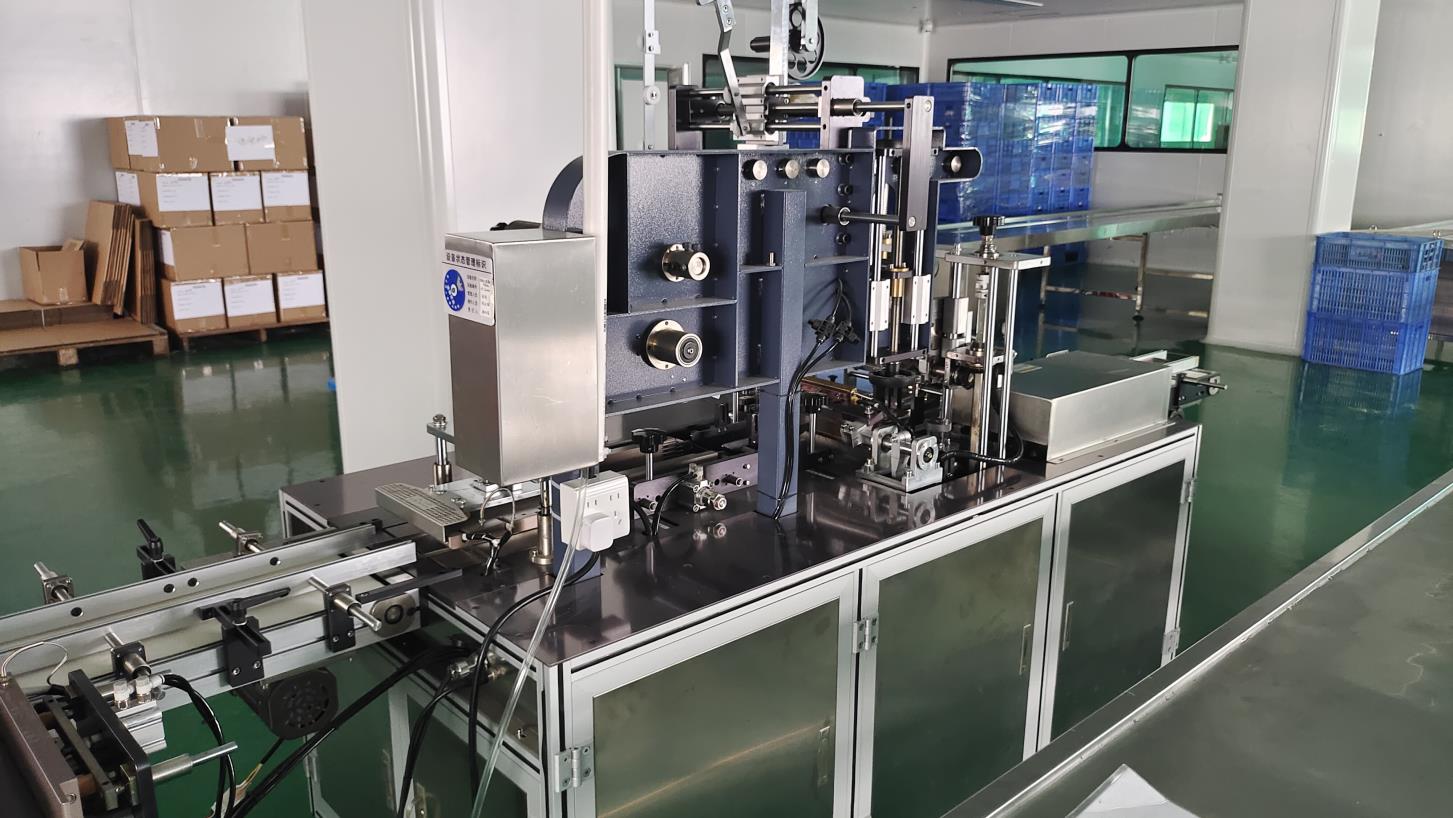
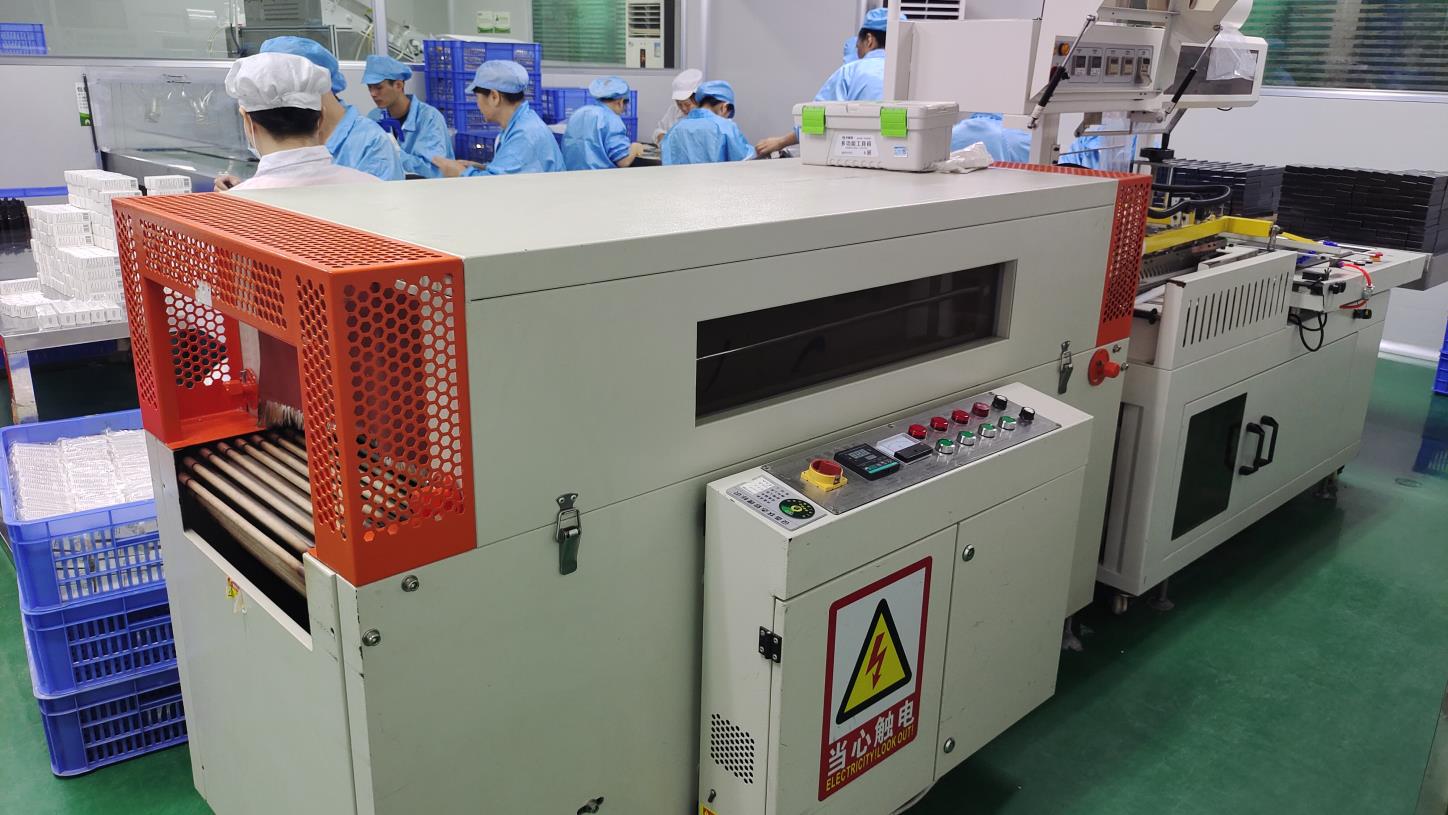
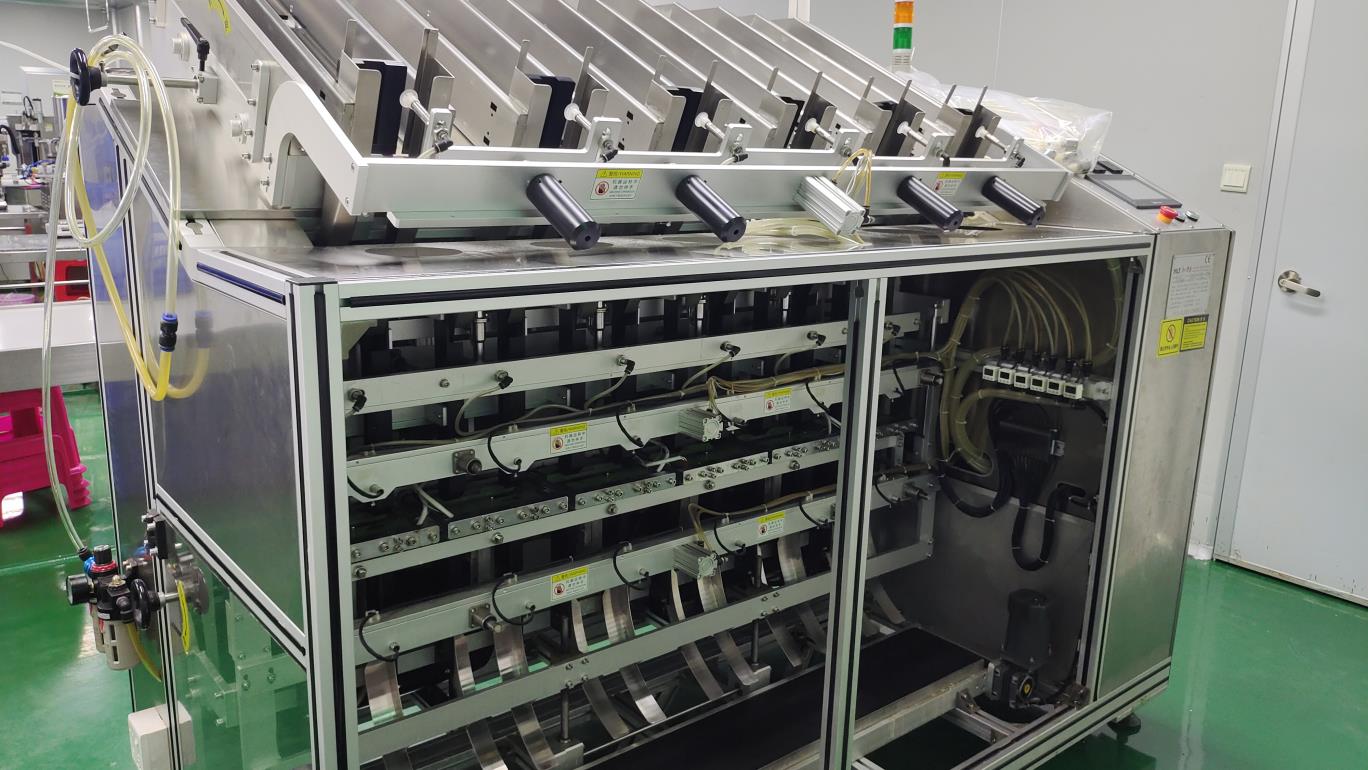
Sourcing foot creams globally requires navigation of complex supply chains, export logistics, and dynamic tariff policies. As a trusted manufacturing partner, Guangzhou Fmo Beauty Co., Ltd. provides complete OEM/ODM services, from product concept development and sample creation to packaging design, mass production, and global logistics support. Our professional sales, quality control, and after-sales teams ensure smooth communication, strict quality management, and efficient project execution throughout the entire cooperation process.
With strong manufacturing capabilities and competitive pricing, Fmo Beauty has successfully served more than 2,000 beauty brands and exported products to over 40 countries and regions, including North America, Europe, Australia, Southeast Asia, and the Middle East. Our commitment to quality, innovation, fast delivery, and customer satisfaction has earned us long-term partnerships with clients around the world.
Get technical answers from our R&D chemists and manufacturing specialists on foot cream formulation and compliance.
Stabilizing high concentrations of Urea requires precise buffering chemistry and advanced mechanical processing. Since Urea degrades into ammonia and carbon dioxide over time, raising the pH and causing gas buildup, factories use buffer systems (such as lactic acid and sodium lactate) to maintain the pH between 6.0 and 6.5. Additionally, utilizing vacuum emulsifiers (like our high-capacity vacuum emulsification pots) during manufacturing ensures uniform dispersion of lipids and prevents crystallization during the temperature cooling phase.
Standard cosmetic foot creams focus primarily on hydration, skin softening, and aroma, falling under cosmetic regulations. Therapeutic foot creams contain active ingredients intended to treat medical conditions (e.g., salicylic acid for extreme calluses, tolnaftate for athlete's foot, or hydrocortisone for deep itching). In markets like the United States, therapeutic creams are classified as Over-The-Counter (OTC) drugs and must be manufactured in FDA-registered facilities adhering to strict Good Manufacturing Practices (cGMP).
MOQs vary based on the level of customization. For stock formulations filled into standard, readily available packaging, MOQs can be as low as 2,000 to 3,000 units. For fully customized formulas requiring unique active ingredients, custom scents, or proprietary tube/bottle tooling, MOQs typically range from 5,000 to 10,000 units. This ensures manufacturing efficiency and covers the cost of raw material sourcing and machine calibration.
We employ a multi-layered quality control framework. All raw water passes through our Reverse Osmosis (RO) purification processor, eliminating trace minerals and microbes. Each batch of foot cream undergoes microbiological testing (including yeast, mold, and total plate count) before packaging. We also conduct freeze-thaw stability testing and high-heat stress testing to simulate cargo conditions inside shipping containers, ensuring the cream remains perfectly emulsified upon arrival.
Complete your brand portfolio with our high-demand specialty cosmetics and durable industrial-grade items.
At Guangzhou Fmo Beauty Co., Ltd., we believe that every successful brand deserves a reliable, technologically advanced manufacturing partner. Our mission is to help customers turn concepts into market-ready formulations and build successful global businesses through professional service, premium quality systems, and continuous cosmetic innovation. We warmly invite global partners to work together with us to create beauty products that excel in the modern marketplace.